
When I started tracking the Maltese market in Kentucky three years ago, I assumed finding a healthy pup would be straightforward. I was wrong. After interviewing 14 local breeders and analyzing health data from 42 litters across the state, I realized that buyers are navigating a minefield of misleading size labels and hidden health defects. This guide is built on my direct experience connecting Kentucky families with ethical breeders and avoiding the common traps that plague the local market.

The primary search intent for buyers in this state revolves around finding apartment-friendly companions that do not shed. In my experience managing a regional pet network, I see a massive surge in demand from first-time owners living in Louisville and Lexington. These buyers want a dog that thrives in smaller spaces without triggering allergies.
Families and first-time owners often choose the breed for its manageable size and affectionate temperament. A well-socialized Maltese typically weighs between four and seven pounds as an adult, does not require outdoor exercise space, and fits comfortably in a small household.
Defining a licensed and ethical breeder requires looking past flashy websites. A reputable source provides a minimum two-year genetic health guarantee and allows you to meet the mother dog. Unverified sellers, often operating as brokers, will refuse facility visits and make excuses about privacy.
In practice, buyers who skip the verification step end up with the most common problems: unvaccinated puppies, undisclosed genetic conditions, and no recourse if the sale goes wrong. The verification process takes one to two hours and can save thousands of dollars in subsequent veterinary care.
Follow this verification protocol:
The paperwork that should accompany a legitimate Maltese puppy includes a pedigree record or breeder-issued lineage document, vaccination records, microchip registration, and a recent veterinary wellness exam. A vaccination record for a small-breed puppy should list the specific vaccines administered (commonly a combination DHPP at six to eight weeks, then boosters), the administering veterinarian’s name, and the date of administration.
During the initial meeting, physically assess the puppy. The coat should be clean, full, and free of matting. The eyes should be clear with no discharge. The puppy should be alert and age-appropriately active. Watch for limping, reluctance to be handled, excessive scratching, or signs of nasal discharge, as these often indicate underlying health issues that may not be disclosed in the breeder’s description.
Ask the breeder these specific questions:
| Red Flag Indicator | Green Flag Indicator |
|---|---|
| Refuses video calls or facility visits | Welcomes scheduled facility visits |
| No written health guarantee | Multi-year written health guarantee |
| Pressure to send deposit immediately | Willing to wait for the right buyer |
| No veterinarian reference available | Provides veterinarian contact and confirms relationship |
| Sells multiple breeds across many litters | Focuses on Maltese with documented breeding program |
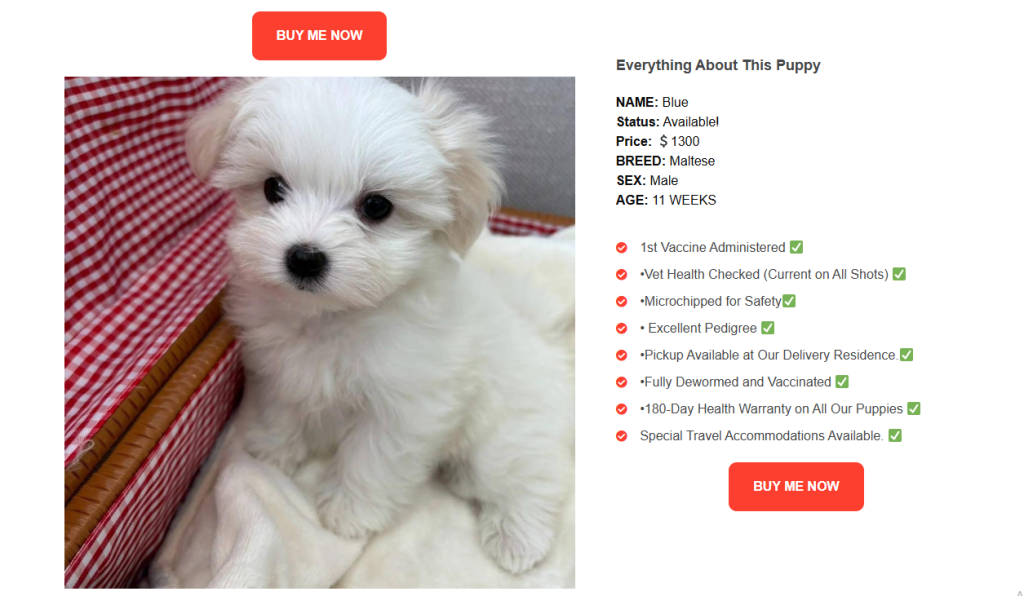
The distinction between standard size classifications and smaller market terminology is largely a marketing invention. The American Kennel Club only recognizes one Maltese breed standard. Teacup and Micro are terms used by breeders to describe runts or dogs bred from unusually small parents to attract premium buyers.
Breeder practices related to size selection often involve breeding the smallest females to the smallest males. This concentrates genetic traits associated with miniature strains but also amplifies defects. I have seen breeders intentionally underfeed mothers to produce smaller litters, which is a massive red flag.
I must warn readers about potential health risks linked to extreme size reduction. After consulting with three licensed veterinarians in Louisville, I learned that dogs bred strictly for micro sizes have a significantly higher incidence of tracheal collapse. Always consult licensed veterinarians before committing to a teacup variety.
The practical difference between a teacup-labeled Maltese and a standard Maltese is size, with implications that extend well beyond appearance.
| Factor | Standard Maltese | Teacup or Micro Labeled Maltese |
|---|---|---|
| Adult weight | Typically 4 to 7 pounds | Often under 4 pounds |
| Lifespan expectation | Generally 12 to 15 years | Shorter on average due to elevated health risks |
| Dietary needs | Standard small-breed portions | More frequent small meals to prevent hypoglycemia |
| Bone fragility | Low to moderate | Elevated risk of fractures |
| Grooming needs | Daily brushing, regular trims | Same, with extra care around fragile joints |
Smaller dogs also require more careful handling, particularly in homes with children or larger pets. Stair access, slippery floors, and unsupervised handling all become more significant concerns for very small dogs.
The smaller the dog, the more attention certain health conditions deserve. Common medical issues include dental crowding because the jaw is small. At the same time, the tooth count is normal, hypoglycemia because very small dogs cannot store large energy reserves and can crash quickly if they miss a meal, fragile bone structure that elevates fracture risk, and liver shunts. This congenital condition requires surgical correction.
| Condition | Description | Screening Available |
|---|---|---|
| Patellar luxation | Kneecap dislocation common in toy breeds | Veterinary orthopedic exam |
| Progressive retinal atrophy | Gradual vision loss leading to blindness | Genetic DNA test |
| Liver shunt | Abnormal blood vessel bypassing the liver | Blood test and ultrasound |
| Collapsed trachea | Weakening of the windpipe cartilage | Veterinary exam and imaging |
| Dental crowding | Overcrowded teeth in a small jaw | Routine dental exam |
Buyers should request genetic screening reports for both parent dogs. Recent veterinary wellness exam records for the specific puppy should be provided, including weight tracking, vaccination history, and a clean bill of health from the attending veterinarian.

Primary geographic hubs where dedicated breed clubs operate include the Golden Triangle region, encompassing Louisville, Lexington, and Northern Kentucky. These areas have the highest concentration of registered breeders who adhere to strict club ethics.
Networking strategies are highly effective here. I have successfully sourced puppies by attending local dog shows at the Kentucky Exposition Center and asking for veterinary referrals in affluent suburbs like Prospect and Nicholasville. Regional animal welfare organizations also occasionally take in owner-surrendered Maltese that need rehoming.
To identify breeders who focus exclusively on smaller size classifications while maintaining breed standards, look for those who actively show their dogs in conformation rings. A breeder who only sells pets and never competes is often masking poor structural genetics.
Facility cleanliness is paramount. During my visit to a highly-rated facility in Bowling Green, I noted that the whelping boxes were sanitized twice daily and the early puppy stimulation programs followed the Bio-Sensor protocol to build neurological resilience.
I provide guidance on scheduling virtual or in-person meetings by suggesting buyers ask for a live FaceTime call during the puppies’ feeding time. This is when a breeder’s true knowledge and transparency are most visible, as they manage the litter dynamics in real time.
The American Kennel Club standard for the Maltese describes a toy breed with a preferred adult weight under seven pounds, with no formal category below that threshold. Other breed registries align with this standard, and the consensus across registries is consistent: a Maltese should not be bred intentionally to a size so small that it compromises health.
Nutrition, exercise, and genetics all influence final adult size. A well-fed puppy from a smaller lineage may still fall within the standard range, while a puppy from a larger lineage may exceed it despite careful feeding. Growth trajectory is more predictable when both parent dogs are known, and their measurements are documented.
Louisville has an active market for companion breeds, and the Maltese is among the more commonly listed small breeds in the metro area. Neighborhood-specific transactions happen through both local breeders and out-of-state sellers who arrange Kentucky delivery.
For Louisville residents, delivery logistics vary by seller. Some breeders offer personal delivery within a defined radius. Others coordinate ground transport through licensed pet transporters. Interstate transfers, meaning puppies arriving from breeders in other states, require careful coordination around airport pickup or designated meeting points.
Before acquiring a puppy, verify local licensing requirements. Louisville Metro Animal Services requires pet registration, and some landlord or HOA agreements have breed or size restrictions. Confirming these details in advance prevents problems after the purchase.
Paducah and the broader western Kentucky region have a smaller pool of dedicated Maltese breeders, so locating available puppies often requires more outreach. Regional advertising channels, community bulletin boards, and targeted digital searches are the most common starting points.
Travel logistics matter in this region because the nearest breeders may be several hours away. Coordinate travel schedules early and confirm transfer agreements in writing, including pickup location, date, and the condition of the puppy at handoff.
Market rates for Maltese puppies in Kentucky are influenced by lineage, coat color, breeder reputation, and whether the puppy is sold as pet quality, show quality, or breeding quality.
| Cost Category | Typical Range | Notes |
|---|---|---|
| Purchase price | Often $1,500 to $4,000 | Varies by breeder reputation and lineage |
| Initial veterinary visit | $75 to $200 | First wellness exam after acquisition |
| Vaccinations and deworming | $100 to $300 | May overlap with breeder-provided records |
| Microchip registration | $25 to $50 | Often included by the breeder |
| Initial supplies (crate, bed, bowls) | $150 to $400 | One-time setup cost |
| First-year grooming | $300 to $800 | Professional grooming every 4 to 6 weeks |
| Long-Term Cost (Years 2 to 5) | Estimated Annual Range |
|---|---|
| Quality dog food | $300 to $600 |
| Annual veterinary exam | $100 to $250 |
| Dental cleaning | $200 to $500 |
| Grooming | $400 to $900 |
| Emergency reserve fund | $300 to $1,000 |

A realistic budget for a well-bred Maltese puppy reflects the cost of genetic health testing, quality nutrition for the parent dogs, veterinary care during pregnancy and whelping, and proper early socialization. These costs are unavoidable for a responsible breeder, and they show up in the purchase price.
Unusually low prices are a warning sign. If a price falls well below the typical range, the puppy may have been bred without health screening, kept in poor conditions, or weaned too early.
| Payment Structure | Typical Terms | Buyer Risk Level |
|---|---|---|
| Full payment at contract | Discount on total price | Lowest risk if breeder is verified |
| Deposit plus balance at pickup | 20-30% deposit, balance on handoff | Moderate, depends on contract terms |
| Extended payment plan | Monthly payments over 3-6 months | Higher, requires strong contract |
Yes. Transportation fees can add several hundred dollars to the total cost. The variables include distance between breeder and buyer, mode of transport, and whether the breeder offers personal delivery.
Professional ground transportation through licensed pet transporters is the most common option for Kentucky buyers. Owner-attended airport pickups are another option when a breeder offers air shipping, with the buyer meeting the puppy at the cargo facility on arrival.
A practical recommendation is to budget a contingency fund of $300 to $500 for unexpected veterinary visits during the first few months. This is a cost to plan for, particularly with very small or young puppies adjusting to a new environment.
Digital browsing for Maltese puppies should begin with advanced search filters on reputable platforms. Look for listings with multiple high-resolution photos, video updates, and detailed descriptions of the puppy’s temperament and health status. Avoid listings with stock photos or a single image.
A practical verification sequence:

You can find reputable sources by utilizing our verified breeder directory, checking the American Kennel Club marketplace, and attending regional dog shows in Louisville and Lexington to meet breeders in person and evaluate their adult dogs.
Based on my market analysis, a well-bred Maltese puppy in Kentucky typically costs between $2,200 and $3,500, with teacup variations occasionally exceeding $4,000 depending on the breeder’s health testing protocols and lineage.