
If you want a simple answer, yes, dogs can eat sardines in many cases, but the details matter. The wrong type, too much salt, added sauce, or oversized portions can turn a healthy treat into a problem. In this guide, I’ll walk through which sardines are safest, which to avoid, how much to serve, and what I would check before putting any fish in a dog’s bowl.

Yes, dogs can eat sardines when they are plain, properly prepared, and fed in moderation. Sardines are not a required food, but they can be a useful topper or occasional treat for many healthy dogs.
The safest choice is usually plain sardines with minimal ingredients. Trouble starts when sardines come packed with added salt, heavy oil, tomato sauce, or seasonings. A dog’s size, age, and health history also matter. Dogs with pancreatitis, kidney concerns, food sensitivities, or a history of digestive upset may need a more cautious approach.
Here’s the thing: the question is not just whether dogs can eat sardines. It is which sardines, how often, and how much.
Sardines can be good for dogs because they provide protein, fats, and several naturally occurring nutrients. They are often discussed because they contain omega-3 fatty acids, which may support skin, coat, and joint health as part of a balanced diet. They also contain minerals found in fish with edible bones.
That said, “good” does not mean “good for every dog.” A lean, active adult dog may handle sardines well as an occasional topper. A dog with a sensitive stomach may not. A dog already eating a complete and balanced food does not need sardines to stay healthy.
A common mistake is assuming all fish is automatically healthy for all dogs. In practice, what matters most is the ingredient list, preparation method, and portion size.
| Sardine Type | General Safety For Dogs | Main Concern |
|---|---|---|
| Plain in water | Usually safest | Portion size |
| Plain fresh or cooked | Often acceptable | Safe prep needed |
| In olive oil | Use caution | Extra fat |
| In tomato sauce | Best avoided | Added ingredients |
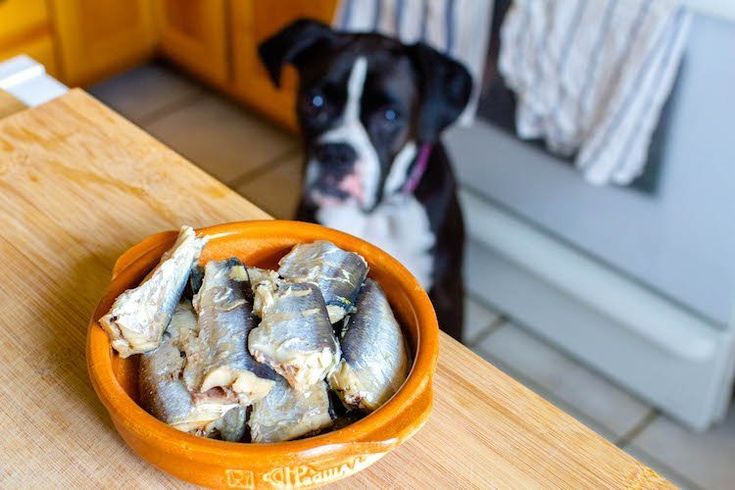
Yes, dogs can eat canned sardines if the product is plain and low in added ingredients. Canned sardines are often more convenient than fresh sardines, and the bones are usually softened during processing.
Still, canned products vary a lot. Some contain high sodium levels, flavorings, sauces, or oils that are not ideal for dogs. That is why label reading matters more than the word canned.
When I evaluate a canned fish product for dog use, I would look for the shortest ingredient list possible. Ideally, it includes sardines and water, with no salt added.

Yes, sardines in water are usually the safest canned option for dogs, especially if the label says no salt added. Water-packed sardines are simpler, less rich, and easier to portion.
“No salt added” matters because dogs do not need extra sodium from treats. Some canned fish products are much saltier than pet owners expect. Even when a small amount may not cause immediate harm in a healthy dog, regularly feeding salty foods is not a good habit.
A practical buying tip is to check all three places on the can: the product name, the ingredient list, and the nutrition panel. A can that looks plain on the front may still include added salt or flavoring on the back.
| What To Check | Better Choice | Avoid If Possible |
|---|---|---|
| Packing liquid | Water | Heavy oil or sauce |
| Salt | No salt added | Added salt |
| Ingredients | Sardines, water | Garlic, onion, spices |
| Flavoring | Plain | Smoked, seasoned |
Yes, dogs can eat sardines in olive oil in very small amounts, but they are not the best choice. The oil increases calorie density and fat content, which may be too much for some dogs.
This matters most for dogs with pancreatitis risk, weight issues, chronic digestive upset, or a history of reacting poorly to rich foods. Even if olive oil itself is not toxic, the total fat load may still be a problem.
If oil-packed sardines are the only option you have, use a smaller serving and consider draining or lightly rinsing them first. But that is a backup plan, not the first choice.
Buyer Beware: A dog that handles chicken scraps fine may still react badly to oily fish. Rich foods hit some dogs differently.
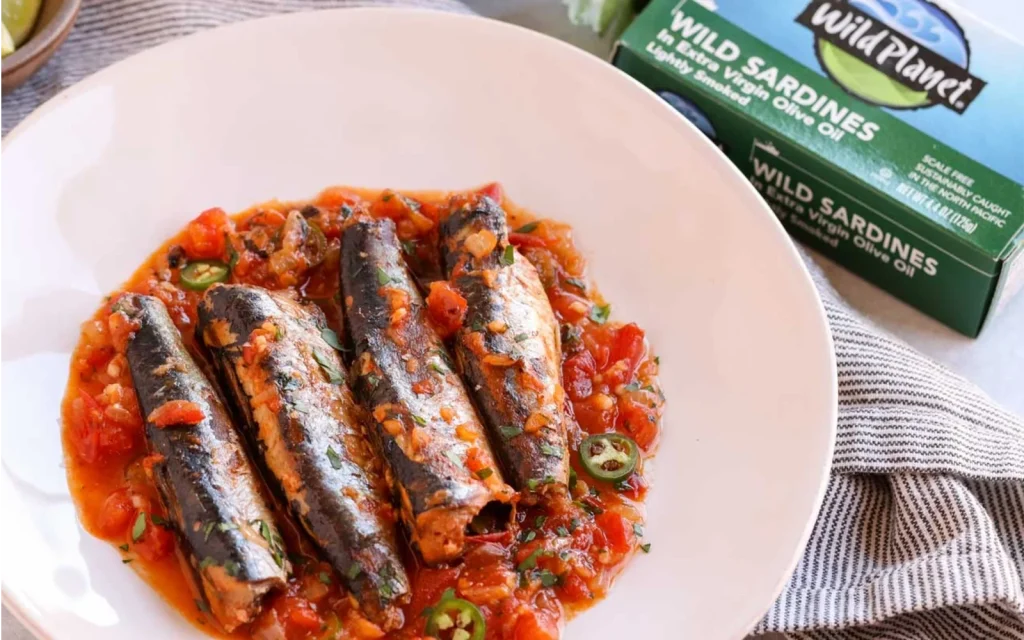
No, sardines in tomato sauce are usually not the best option for dogs. The risk is not the sardine itself. The issue is everything added around it.
Tomato sauce products may include onion, garlic, sugar, salt, or spices. Some dogs also get stomach upset from acidic or heavily seasoned foods. Even when a label seems harmless at first glance, mixed sauces can hide ingredients that are poor choices for dogs.
Plain varieties are much easier to assess. If you have to wonder whether a seasoned product is safe, it is usually better to skip it and choose a plain water-packed can instead.
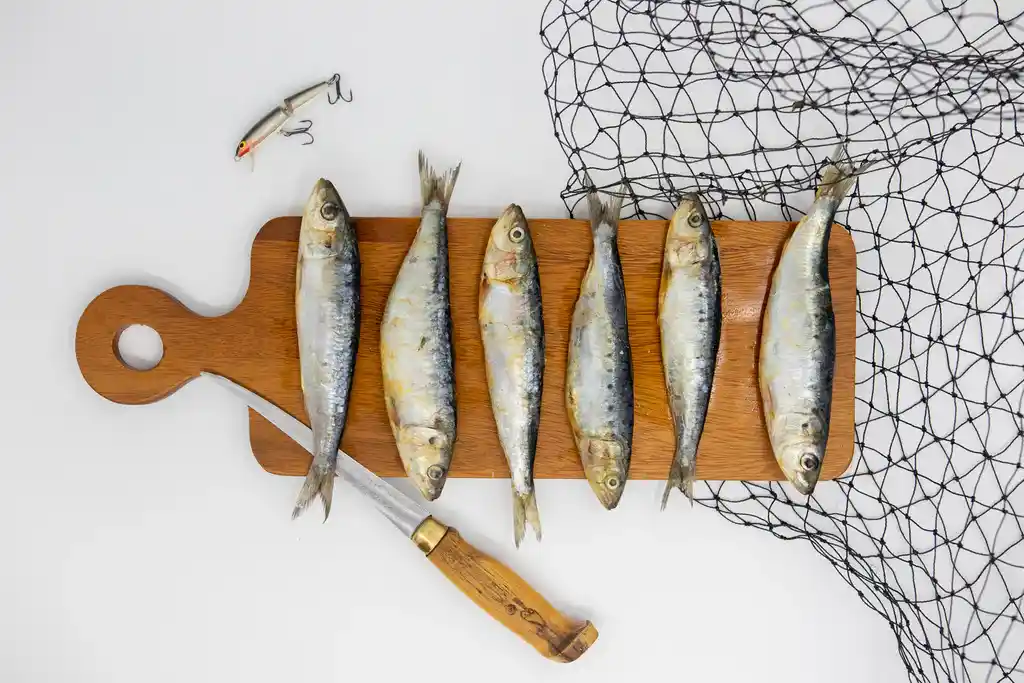
It depends. Raw sardines may appeal to owners who feed raw diets, but they come with more risk than cooked or canned sardines. Those risks include bacteria, spoilage, and parasites.
Safe handling becomes critical with raw fish. It needs cold storage, careful sourcing, clean preparation surfaces, and prompt serving. Even then, raw feeding is not risk-free. That is one reason many owners choose canned sardines in water instead.
So what does this look like in practice? If your goal is to add sardines for nutrition rather than follow a strict raw-feeding approach, plain canned sardines are usually the simpler and lower-risk route.
Yes, canned sardines with bones are usually safe for dogs because the bones are very soft and typically break down during processing. These bones are not like large, sharp cooked bones from other foods.
That said, context matters. Fresh fish bones, larger bones, or poorly prepared fish can still create choking or irritation risks. If you are serving fresh or frozen sardines, inspect them carefully and prepare them appropriately.
For smaller dogs, mashing the sardines can make feeding easier and reduce gulping. That is especially helpful for fast eaters.
Yes, puppies can eat sardines in small amounts if the sardines are plain and introduced slowly. Puppies have smaller bodies and often more sensitive digestion, so caution matters more.
Start with a tiny amount mixed into regular food and watch for vomiting, diarrhea, itching, or stool changes. Puppies do best when extras stay truly small because their main diet should remain a complete and balanced puppy food.
I would also be more careful with rich or oily products in puppies than in healthy adult dogs. Their margin for overfeeding is smaller.
The right amount depends on your dog’s size, calorie needs, and overall diet. Sardines should fit within the general idea that treats and extras stay a small part of the daily intake, not the foundation of the meal.
A simple approach is to think of sardines as a topper, not a main dish. Small dogs may only need part of a sardine. Medium dogs may do well with one sardine. Larger dogs may tolerate more, but more is not always better.
| Dog Size | Starting Portion | Serving Style |
|---|---|---|
| Small | Part of 1 sardine | Mashed into food |
| Medium | 1 sardine | Mixed with meal |
| Large | 1 to 2 sardines | Split across meal |
For many healthy adult dogs, sardines work best as an occasional addition rather than a daily habit. Once or twice per week is a cautious starting rhythm for many owners, especially if the rest of the diet is already complete and balanced.
Daily feeding may not be ideal because the extra fat, calories, or sodium can add up depending on the product. It can also crowd out the main diet if owners get too generous.
Signs of overfeeding may include loose stool, vomiting, weight gain, reduced appetite for regular food, or greasy-looking stools. If you notice any of those, stop and reassess.
Sardines are often valued for omega-3 fats, which may support skin and coat condition and help support normal inflammatory function. They also provide protein and naturally contain nutrients such as calcium and vitamin D when the bones are included.
The value here is not magic. Sardines are simply one food that can add variety and nutrients when used carefully. Dogs with dry skin, dull coats, or owners looking for a less processed topper may find sardines appealing.
Yes, sardines can make dogs sick if the portion is too large, the product is too fatty or salty, or the dog has a sensitivity. Symptoms may include vomiting, diarrhea, gas, reduced appetite, or signs of abdominal discomfort.
The biggest risks often come from the format rather than the fish. Oil-packed products may trigger digestive upset. Salty or seasoned versions can be harder on the body. Raw fish adds food safety concerns.
If your dog reacts badly, stop feeding sardines and return to the normal diet. If symptoms are severe, persistent, or paired with lethargy or pain, contact a veterinarian.
The best sardines for dogs are usually plain sardines in water with no salt added. That format is simple, easy to read on a label, and generally lower risk than flavored or oily versions.
Fresh or frozen sardines can also work if prepared safely, but they demand more handling care. Canned sardines are often the easier option for owners who want convenience and consistency.
Use this quick checklist:
| Option | Convenience | Safety Margin |
|---|---|---|
| Canned in water | High | High |
| Fresh cooked plain | Medium | Medium to high |
| Frozen plain | Medium | Medium |
| Oil or sauce packed | High | Lower |
Serve sardines in small amounts mixed into your dog’s regular food. Mashing or chopping helps distribute the fish and makes it easier for smaller dogs to eat.
After opening a can, refrigerate leftovers promptly in a sealed container and use them within a short time frame according to food safety guidance. Do not leave fish sitting out. If the smell, texture, or color seems off, throw it away.
The real question is how to make sardines useful without turning them into too much of a good thing. My preferred method is to use them as a meal topper on days when I want to add variety, not as a routine replacement for balanced dog food.
Yes, many dogs can eat sardines safely as part of their diet when the sardines are plain and fed in moderation. The safest approach is to use sardines as an occasional topper, not a replacement for complete and balanced dog food.
It depends on the dog’s size, health, and current diet. Small dogs may only need part of one sardine, medium dogs may do well with one, and large dogs may tolerate one to two. Start low, watch for digestive changes, and ask your veterinarian if your dog has a medical condition.