
You finish dinner and spot a leftover rib bone on your plate. Your dog watches you closely. You want to share, but you also want to keep them safe. The short answer is clear. Dogs should not have rib bones. Cooked rib bones become brittle and splinter.
Raw rib bones carry bacterial risks and can fracture teeth. Veterinary guidance has shifted away from traditional bone feeding because the injury data does not support it. This guide breaks down the exact mechanics behind the risk. You will learn how cooking changes bone structure. You will also find vet-approved alternatives that satisfy chewing instincts without the danger.
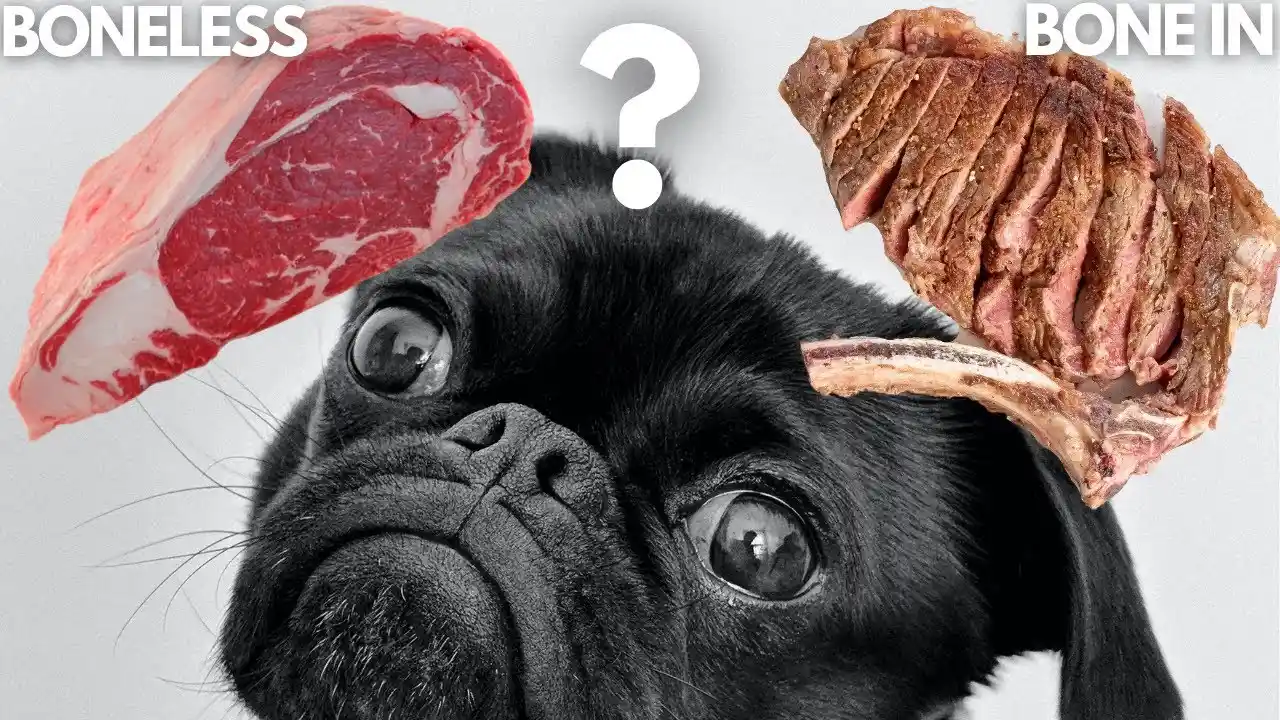
No. Veterinary professionals consistently advise against feeding rib bones to dogs. The curved, porous structure of a rib bone makes it unpredictable under canine bite pressure. Dogs chew with significant force. That force turns curved bone into sharp shards. The primary safety concerns include choking, internal tearing, and digestive obstruction. Responsible pet ownership means weighing tradition against documented risk. The evidence points toward avoidance.
No. Cooking changes bone structure dramatically. Heat removes moisture and soft tissue. The bone becomes dry and brittle. Brittle bone does not bend. It snaps. When a dog bites a cooked rib, the bone fractures into sharp fragments. Those fragments can lodge in the throat. They can also slice through the esophagus or intestines. Leftover dinner bones pose hidden dangers because owners often assume they are soft enough. They are not. Even a single cooked rib bone carries real risk. The damage can occur before you notice symptoms.
Yes. Cooked rib bones consistently rank higher on veterinary risk scales. Heat exposure weakens collagen fibers inside the bone matrix. That weakening removes natural flexibility. Without flexibility, the bone fractures predictably under pressure. Sharp fragments form quickly. Most veterinarians advise against cooked rib bones for this exact reason. The risk of internal injury outweighs any short-term chewing satisfaction. Prevention remains the standard recommendation.

Beef rib bones are dense and thick. They require heavy jaw pressure to break. That pressure does not produce soft chewing. It produces hard, jagged shards. Reported cases show these shards piercing the digestive tract. The dense material also resists passing through the stomach. Beef ribs are especially problematic because their size matches large dog jaws. Owners often assume larger dogs can handle larger bones. The physics do not change. Dense bone still splinters. The result is the same.
No. Cooking removes protective tissue. It also concentrates fat and seasoning residues. Seasonings like garlic, onion, and certain marinades carry toxicity risks for dogs. Fatty residues can trigger gastrointestinal upset. Some dogs develop pancreatitis from sudden high-fat intake. Cooked rib bones remain unsafe regardless of preparation method. Table scraps add complications that clean treats do not.
Raw bones present a different set of challenges. Many owners believe raw bones are safer because they retain moisture and flexibility. That belief holds partial truth. Raw bone does bend slightly more than cooked bone. It still fractures under heavy chewing. Bacterial risks remain a primary concern. Salmonella and E. coli can coat raw meat surfaces. Dogs may shed these bacteria in their stool. That poses risks to household members. Raw bones also increase the chance of dental fractures. Supervision and strict hygiene become mandatory. Caution still applies.
Contact a veterinarian if your dog ate a large quantity of fries, has symptoms, ate seasoned fries, or has a known health condition. Repeated vomiting, severe diarrhea, collapse, tremors, weakness, belly pain, or pale gums are red flags.
You should also call sooner if your dog is very small, elderly, pregnant, diabetic, overweight, or has a history of pancreatitis, heart disease, kidney disease, or digestive problems.
Consensus And Authoritative Sources: Veterinary references generally agree on the same practical message: fatty foods can upset digestion, high salt can be dangerous in excess, and garlic or onion ingredients are not safe for dogs.
Healthier alternatives include plain dog-safe vegetables, small amounts of lean cooked meat, or treats made for dogs. The best swap depends on your dog’s size, health, and daily calorie needs.
Try plain options such as carrots, green beans, cucumber slices, or small pieces of plain cooked sweet potato. Plain boiled chicken can also work in moderation if your dog tolerates it. Avoid butter, salt, sauces, garlic, onion, and spicy seasoning.
| Alternative | How To Serve | Why It Is Better |
|---|---|---|
| Carrot sticks | Raw or lightly cooked | Crunchy and low fat |
| Green beans | Plain and cooked | Filling without grease |
| Cooked sweet potato | Plain cubes | More nutritious than fries |
| Boiled chicken | Small plain pieces | Protein-rich treat |
Selling Point: Explore our vet-approved healthy dog treat options designed to satisfy cravings without risking your dog well-being.
Yes. Raw rib sections can still cause slab fractures. These fractures crack tooth enamel without always bleeding. The crack propagates under the gum line. It often goes unnoticed until infection develops. Large raw rib pieces can also lodge in the throat. Choking risk stays high. Internal blockage can occur even without splintering. The bone simply fails to digest. Safe handling requires strict hygiene and veterinary consultation. Many experts recommend against raw ribs altogether.
Chewing and swallowing are different behaviors. Dogs often gnaw before swallowing fragments. Beef rib bones remain extremely hard. Their hardness exceeds safe dental thresholds for most breeds. Weight-bearing cattle bones are notorious for causing dental injuries. The enamel cracks. The pulp becomes exposed. Infection follows. Claims that large breeds handle beef ribs safely often overlook long-term dental wear. Size does not eliminate fracture risk. The material properties stay the same. Veterinary guidance leans toward avoidance.
Pork rib bones are smaller and thinner. They break more easily than beef. That ease of breaking increases choking risk. Thin bone structures fragment into multiple pieces quickly. Those pieces can obstruct the airway or intestines. Pork also carries higher fat content. Sudden fat intake can trigger pancreatitis. Smaller breeds face heightened digestive sensitivity. The combination of brittleness and fat makes pork ribs particularly unpredictable. Monitoring cannot fully mitigate the risk.
Steak bones are almost always cooked. Cooking makes them brittle. Seasonings like garlic, onion, and salt add toxicity layers. Table scraps introduce mixed residues that complicate digestion. Family dinner scenarios often lead to casual bone sharing. That casual approach increases health complications. The bone may seem small. Small bones often travel straight to the throat or stomach. They do not provide safe chewing time. The risk remains disproportionate to the reward.
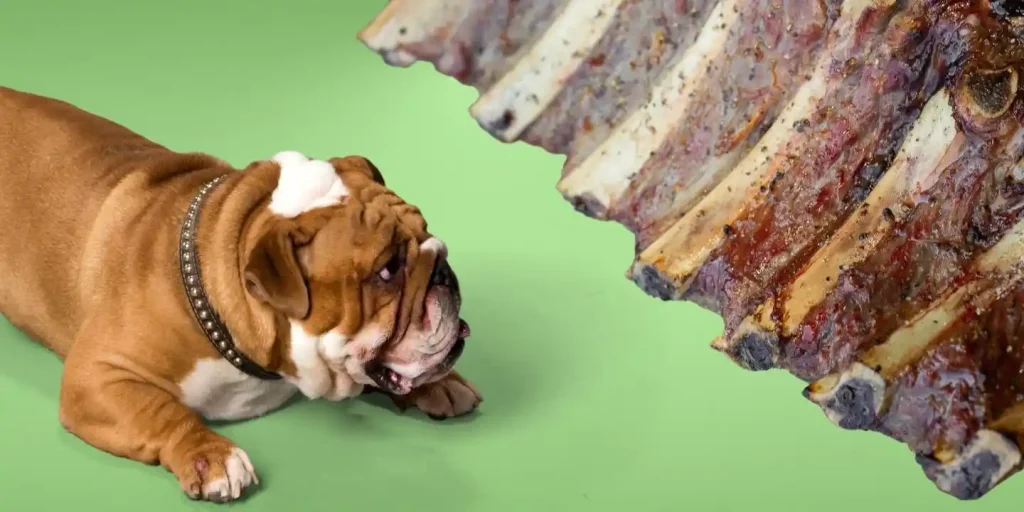
Quantity does not eliminate risk. Many owners assume one bone is harmless. The mechanics do not change based on count. A single rib can splinter. A single rib can lodge in the esophagus. Cumulative dental wear also matters. Repeated chewing on hard bone chips enamel. Even minimal exposure introduces choking potential. The threshold for injury is unpredictable. One bone can trigger an emergency. Prevention requires consistency, not compromise.
Tradition often frames bones as natural rewards. Modern veterinary science tells a different story. Emergency surgeries from bone complications carry high costs. They also carry emotional weight. Owners face difficult decisions after preventable incidents. Prevention outperforms treatment every time. Choosing safer options protects your dog. It also protects your wallet and peace of mind. The hazard outweighs the treat.
Rib bones create choking and airway obstruction risks. Sharp fragments can tear intestinal walls. Internal bleeding may follow without immediate warning. Splinters can migrate through the digestive tract. They lodge in tight spaces. Life-threatening complications include peritonitis and sepsis. The combination of mechanics and anatomy makes rib bones highly unpredictable. Risk escalation happens quickly.
Rib bones can lodge high in the throat. The curved shape traps easily. Symptoms of airway blockage include gagging, pawing at the mouth, and silent gasping. Panic sets in fast. Basic emergency response includes staying calm and calling a veterinarian immediately. Do not attempt blind finger sweeps. You may push the object deeper. Prevention remains the safest strategy. Supervision cannot fully stop sudden lodging.
| Factor | Cooked Rib Bones | Raw Rib Bones |
|---|---|---|
| Splintering Likelihood | High | Moderate |
| Dental Fracture Risk | Moderate | High |
| Bacterial Exposure | Low | High |
| Choking Potential | High | High |
| Veterinary Recommendation | Avoid | Use Extreme Caution |
Veterinarian approved chew toys offer predictable durability. They are engineered to flex without shattering. Digestible dental chews provide safe chewing time. They break down gradually. They support oral health without hard edges. Enrichment options like puzzle feeders and scent games reduce stress. They also lower the urge to seek hard chewing objects.
If you want to protect your dog and avoid costly vet visits, explore certified safe chew products. Look for items labeled for your dog’s size and chew intensity. Rotate toys to maintain interest. Always supervise new chews. Match the product to your dog’s chewing style. Aggressive chewers need reinforced rubber. Gentle chewers do well with digestible dental treats.
| Product Type | Durability | Digestibility | Dental Safety | Vet Approval |
|---|---|---|---|---|
| Rib Bones | Unpredictable | Low | Low | No |
| Rubber Chew Toys | High | N/A | High | Yes |
| Dental Chews | Moderate | High | High | Yes |
| Braided Rope Toys | Moderate | Low | Moderate | Yes (Supervised) |
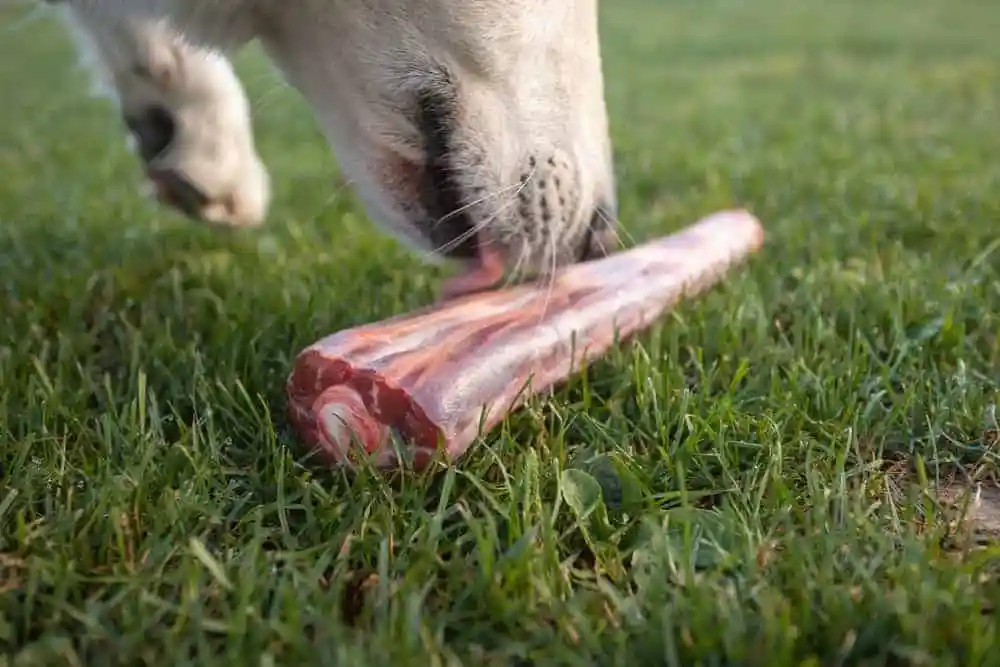
Raw rib bones still carry significant risk. They can fracture teeth and harbor bacteria like Salmonella. While they do not splinter as predictably as cooked bones, they can still cause choking or blockage. Veterinary guidance recommends avoiding raw ribs altogether. Safer raw meat alternatives include muscle meat strips without bone.
Veterinarians recommend durable rubber chew toys, digestible dental chews, and supervised rope toys. These options satisfy chewing instincts without the fracture risk. Rotate selections to prevent boredom. Always match the toy to your dog’s size and chew style. Consult your veterinarian if your dog exhibits aggressive chewing habits.