
Your dog just grabbed a piece of beef jerky off the counter, and now you are staring at an empty wrapper, wondering if this is a minor scare or a real emergency. I have been in that exact position. Plain, unseasoned beef jerky in a tiny amount is usually not dangerous. But most commercial beef jerky is loaded with garlic, onion, and sodium — ingredients that can genuinely harm your dog. This guide breaks down every scenario so you know exactly what to do and when to call the veterinarian.
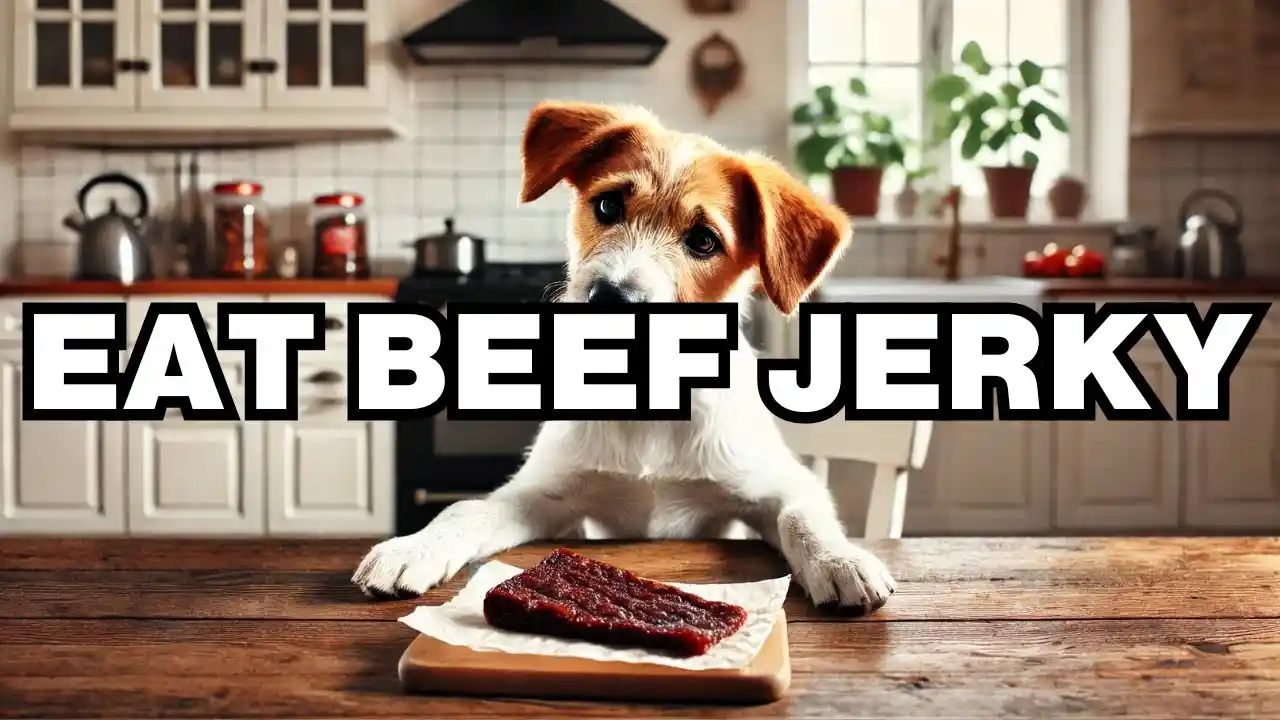
The short answer is conditional: plain beef jerky is not inherently toxic to dogs, but almost no commercial beef jerky is truly plain. The American Kennel Club confirms that lean, cooked beef is safe for dogs in moderation. The danger lies in what manufacturers add to it.
According to the USDA FoodData Central database, a single ounce of typical commercial beef jerky contains between 400 and 600 milligrams of sodium. The National Research Council estimates that a 20-pound dog needs approximately 100 milligrams of sodium per day. One piece of jerky can deliver multiple days’ worth of sodium to a small dog.
The ASPCA lists garlic and onion — two of the most common jerky seasonings — as toxic to dogs. Both damage red blood cells and can cause hemolytic anemia. The beef itself is fine. What usually comes with it is not.
Yes, but only under strict conditions. The only ingredient that belongs in dog-safe jerky is beef. The ASPCA’s toxic food reference lists onion, garlic, xylitol, and excessive sodium as dangerous for dogs — and all four appear regularly in commercial products.
Use this ingredient red-flag checklist every time you pick up a package:
| Ingredient to Flag | Risk Level | What It Causes in Dogs |
|---|---|---|
| Garlic or onion (any form) | High | Red blood cell damage, anemia |
| Xylitol | Critical | Liver failure, seizures, death |
| Sodium (excessive) | High | Salt poisoning, kidney strain |
| Sugar or brown sugar | Moderate | Obesity, dental decay |
| Soy sauce | High | Combines sodium with garlic |
| Chili or capsaicin | Moderate | GI irritation, pancreatitis trigger |
No. Spicy beef jerky is unsafe for dogs. Capsaicin directly irritates a dog’s gastrointestinal lining, and dogs lack the tolerance humans develop over time.
Common symptoms after ingestion include vomiting, diarrhea, excessive drooling, pawing at the mouth, and a hunched posture indicating abdominal pain. The Merck Veterinary Manual identifies high-fat, heavily seasoned foods as a known trigger for pancreatitis — an inflammatory condition ranging from mild to life-threatening.
If your dog eats spicy jerky, offer fresh water immediately and feed plain boiled chicken with white rice for 24 hours. Contact your veterinarian if vomiting or diarrhea continues beyond 12 hours or if your dog becomes lethargic.

Yes. Teriyaki beef jerky combines multiple harmful ingredients in concentrated form, making it one of the worst variants for dogs.
| Ingredient | Why It Is Dangerous |
|---|---|
| Soy Sauce | Extremely high sodium; often contains garlic and onion |
| Brown Sugar | Contributes to obesity and dental problems |
| Garlic / Onion | Destroys red blood cells; causes anemia |
| Excess Sodium | Salt poisoning risk, especially for small breeds |
A single strip of teriyaki jerky delivers concentrated doses of ingredients the ASPCA flags as hazardous. For dogs under 20 pounds, even one piece warrants 24 hours of monitoring. Multiple pieces may require emergency veterinary care.
Jack Link’s is America’s most popular beef jerky brand, so this is a frequent question. It is not safe for dogs. The Original Beef Jerky includes beef, water, brown sugar, salt, and spices containing garlic powder. The Teriyaki variant adds soy sauce and more sugar.
Here is how Jack Link’s measures against canine safety thresholds:
| Metric | Jack Link’s Value | Safe Dog Threshold | Risk Assessment |
|---|---|---|---|
| Sodium per oz | ~520 mg | ~100 mg/day (20lb dog) | Dangerous |
| Garlic powder | Present | Zero tolerance | Dangerous |
| Sugar | Present | Minimal acceptable | Moderate |
| Onion | Not listed | Zero tolerance | Not present |
For a 10-pound dog, two strips of Jack Link’s can deliver more than ten times the estimated safe daily sodium intake.
If you are set on sharing plain, unseasoned beef jerky, strict portion control is non-negotiable.
| Dog Size | Weight | Max Safe Portion | Frequency |
|---|---|---|---|
| Small | Under 20 lbs | One small strip | Rarely, if ever |
| Medium | 20–50 lbs | One small strip | No more than weekly |
| Large | 50–90 lbs | One to two strips | No more than weekly |
| Extra-Large | 90+ lbs | Two strips | No more than weekly |
These guidelines apply only to plain, unseasoned, low-sodium jerky. Any flavored product should be avoided at every size.
Better daily alternatives for regular treating:
| Alternative | Protein | Prep Required | Cost Per Serving |
|---|---|---|---|
| Boiled chicken breast | High | Minimal | ~$0.50 |
| Dehydrated sweet potato | Low-Medium | Dehydrator needed | ~$0.30 |
| Frozen blueberries | Low | None | ~$0.40 |
| Plain green beans | Low | None | ~$0.15 |
| Limited-ingredient dog treats | Varies | None | ~$0.60 |
The AAFCO recommends keeping all treats below 10 percent of a dog’s daily caloric intake.

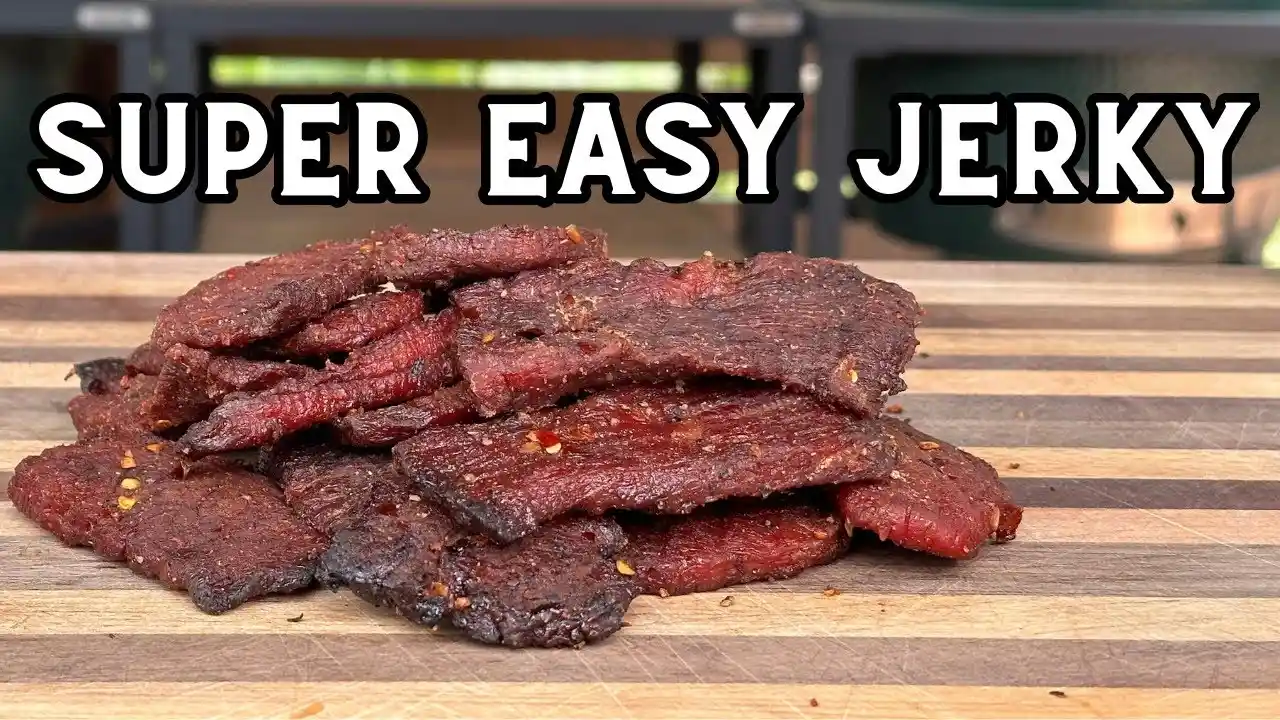
Homemade beef jerky is the only preparation method that gives you complete control over every ingredient. When I started reading ingredient labels on commercial brands, three out of four contained garlic or onion powder, making my own became the obvious choice.
The rules are simple: use lean cuts like eye of round, slice thin (approximately one-eighth inch), add absolutely nothing beyond the beef, and dehydrate at 160 degrees Fahrenheit for four to six hours. Store in airtight glass containers and refrigerate for up to two weeks.
The result is a single-ingredient, high-protein treat that eliminates all uncertainty about what your dog is eating. A full step-by-step recipe follows in the dedicated section below.
The reaction depends on how much jerky was eaten, what kind it was, and your dog’s size. Use this emergency severity scale to determine your response:
| Severity Level | Symptoms | Your Action |
|---|---|---|
| Green — Mild | Increased thirst, slightly loose stool | Bland diet for 24 hrs; monitor |
| Yellow — Moderate | Persistent vomiting, diarrhea over 24 hrs, excessive thirst | Bland diet 48 hrs; call your vet |
| Red — Severe | Tremors, seizures, lethargy, bloody stool | Call vet or ASPCA (888-426-4435) immediately |
Mild reactions are common with plain jerky in small amounts and typically resolve with a bland diet of boiled chicken and white rice.
Moderate reactions suggest sodium irritation or seasoning sensitivity. Veterinary consultation is recommended if symptoms do not improve within 24 to 48 hours.
Severe reactions may indicate salt poisoning or a toxic response to garlic or onion. Do not wait for symptoms to escalate — seek emergency veterinary care.
Save this recipe card for reference:
Dog-Safe Beef Jerky Recipe
Avoid entirely: salt, seasoning blends, soy sauce, garlic, onion, oil, butter, sugar, and smoking with creosote-producing wood.
Commercial jerky treats designed specifically for dogs are formulated differently from human beef jerky. They typically contain lower sodium, no garlic or onion, and ingredients tested for canine safety.
Benefits of quality dog-specific jerky treats:
The critical distinction: never substitute your own beef jerky as a dog treat. Choose products labeled specifically for canine use with ingredient lists you can read and understand.
Seasonal warning: Jerky accessibility increases during holidays, camping season, and game-day gatherings when bags of jerky sit on counters and tables. Keep commercial jerky stored out of reach during these periods, and brief any guests not to share their jerky with your dog.
No. Even dog-specific beef jerky should be an occasional reward. Treats should not exceed 10 percent of a dog’s daily caloric intake per AAFCO guidelines. Healthier daily alternatives include plain cooked chicken, carrot sticks, green beans, plain pumpkin (not pie filling), or cottage cheese.
Puppies have developing digestive systems, smaller body mass, and more sensitive nutritional needs. Beef jerky is not recommended for puppies under any circumstances. Sodium can strain developing kidneys, and the tough texture poses a choking hazard.
Puppies under six months should eat only food and treats formulated for their life stage and meeting AAFCO nutritional standards.
French Bulldogs and other brachycephalic breeds face compounding risks. Their compact airways increase the risk of choking on tough, chewy foods. Their documented predisposition to allergies makes seasoning additives more likely to trigger reactions. Small breeds also reach toxic sodium thresholds proportionally faster than larger dogs.
Follow this step-by-step action plan:
The ASPCA Animal Poison Control Center at 888-426-4435 provides guidance for potential toxicity emergencies. A consultation fee may apply, but the advice can be critical.
Safe ingredients: lean beef, plain turkey breast, or lean venison.
Avoid entirely: garlic, onion, salt, soy sauce, sugar, honey, pepper, chili, oil, butter, and artificial preservatives.
Storage: airtight glass containers; refrigerate for 2 weeks or freeze for 3 months. Inspect every batch for mold or off-odors before serving and discard anything questionable.
The governing rule: every ingredient you add is a variable you cannot fully predict. Fewer ingredients mean fewer risks.

Plain beef jerky with no added salt or seasoning is unlikely to make a healthy adult dog sick in very small portions. The problem is that most commercial beef jerky is not plain. When uncertain, make your own using beef only to eliminate all risk.
Absence of spices does not automatically mean safe. Confirm there is also no salt, sugar, soy sauce, or preservatives. If the only ingredient is beef (and possibly water), the risk is minimal for small, occasional portions.