
Are you terrified because your dog just snatched a raw eggshell off the floor? Or perhaps you are desperately searching for a cheap, natural calcium supplement for your homemade dog food? I completely understand your stress. As a canine nutrition expert, I have seen owners panic over accidental ingestion and marvel at the dietary benefits of properly ground powder. In this guide, I will show you exactly how to prepare this ingredient safely and reveal the dangerous scenarios where you must strictly avoid it.
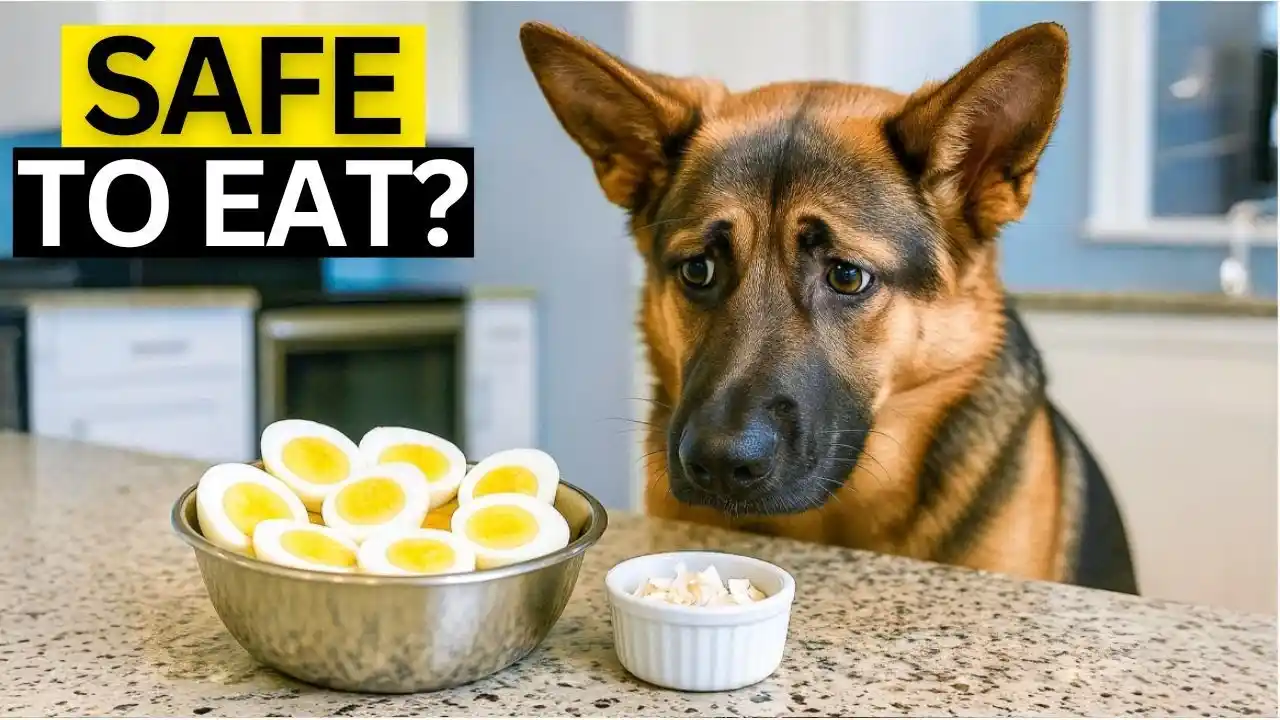
The answer to this question depends entirely on the context of the situation. When anxious clients ask me if can dogs eat egg shells safely, I always heavily differentiate between an accidental gulp of a whole piece and intentional, formulated dietary supplementation.
Occasional exposure to a single, dropped fragment might pass through a healthy adult dog without any medical incident. Intentional dietary supplementation, however, requires meticulous, deliberate preparation on your part. When you thoroughly wash, bake, and grind the material into a microscopic dust, it safely transforms from dangerous kitchen waste into a highly valuable nutritional additive.
This specific supplement is strictly unnecessary and potentially dangerous for dogs eating a complete, commercially formulated kibble. Adding extra minerals to an already balanced diet can cause severe physiological health issues. This specific supplement is only appropriate for dogs on home-cooked or raw diets that actively require manual mineral balancing by the owner.
A dog’s digestive system is biologically robust, but it fundamentally struggles to break down large, rigid pieces of pure calcium carbonate. If your dog accidentally swallows a whole piece, it will likely pass through their digestive tract entirely intact. This means the animal receives absolutely zero nutritional benefit.
Grinding the material is completely non-negotiable for proper canine digestion. When reduced to a fine dust, the canine stomach can easily dissolve the calcium carbonate. This chemical reaction allows the vital minerals to be efficiently absorbed through the intestinal wall and distributed securely into the bloodstream.
Feeding large, unground fragments poses a serious physical risk. The rigid, curved pieces can create immediate, life-threatening blockages in the intestines. For smaller breeds, even a half-shell can lodge in the gastrointestinal tract, requiring urgent surgical intervention.
When prepared correctly as an ultra-fine powder, this common household item provides massive, measurable nutritional value. They serve as an excellent, highly cost-effective way to provide whole-food calcium to pets on restricted or homemade diets.
Supplementation safely supports specific dietary gaps found in homemade canine meals. Muscle meat, liver, and organ meats are naturally extremely high in phosphorus but completely devoid of calcium. Without an added source of calcium to balance this out, a dog on a homemade meat diet will eventually suffer from severe bone density loss. They will actively pull calcium out of their own skeleton to survive.
Whole-food sources often perform significantly better than commercial synthetic alternatives. In my clinical experience, synthetic calcium pills can sometimes pass through the digestive system entirely unabsorbed.
Table 1: Egg Shell Powder vs. Commercial Supplements
| Feature | Homemade Powder | Commercial Synthetic Supplements |
|---|---|---|
| Monthly Cost | Virtually Free | $20 – $40 per month |
| Bioavailability | High (Natural biological matrix) | Variable (Often passes unabsorbed) |
| Preparation Effort | High (Requires washing, baking, grinding) | Low (Ready to serve instantly) |
| Added Ingredients | None (100% Pure) | Often contains artificial chemical binders |

These shells are composed almost entirely of calcium carbonate. Based on strict canine nutritional baselines, a single large shell yields about one teaspoon of fine powder, which provides approximately 1,800 to 2,000 milligrams of pure, usable calcium.
Calcium physically supports much more than just a dog’s skeletal structure. It is physiologically vital for nerve impulse transmission, daily muscle contraction, and critical blood clotting mechanisms. Without adequate calcium in the bloodstream, a dog can experience acute lethargy, severe muscle tremors, and life-threatening irregular heart rhythms.
There is currently a massive surge of interest in the thin, transparent membrane attached to the inside of the shell. Anecdotal evidence among raw feeders actively suggests this specific membrane offers notable joint health benefits.
The inner membrane naturally contains microscopic amounts of glucosamine, chondroitin, collagen, and hyaluronic acid. These specific compounds are heavily utilized in holistic veterinary medicine to support joint health and reduce chronic inflammation in senior dogs suffering from osteoarthritis.
However, scientific consensus on the exact dosage needed to see real joint benefits from the membrane is severely limited. The actual volume of glucosamine contained in a single membrane is microscopic compared to therapeutic veterinary doses. Owners must exercise cautious evaluation before totally abandoning proven joint medications.
Despite the massive nutritional benefits, there are highly dangerous scenarios where this ingredient is undeniably bad for dogs. The medical risks almost entirely stem from improper preparation techniques or highly irresponsible dosing by the well-meaning owner.
Interactive Branching Quiz: Should Your Dog Eat This?

The physical structure of a broken, unground shell is surprisingly dangerous. When fractured, the edges form razor-sharp, microscopic points that act exactly like shattered glass in the digestive tract.
These sharp edges can instantly irritate and slice the delicate mucosal tissues of the mouth, esophagus, and intestines. As the rigid fragments travel through the digestive system, they cause continuous micro-abrasions. This leads directly to internal inflammation, severe swelling, or minor internal bleeding.
The Nail Scratch Test:
To ensure you have ground the powder finely enough, I recommend the nail scratch test. Take a pinch of the finished powder and vigorously rub it across your thumbnail. If it scratches your nail, it is far too coarse and will actively scratch your dog’s esophagus. It must feel completely smooth, exactly like baking flour.
Yes, salmonella contamination is a severe and completely legitimate risk when dealing with any raw poultry product. Contamination typically occurs on the exterior surface during the hen’s laying process, directly exposing the surface to raw fecal matter.
According to official data from the, a notable percentage of commercial poultry products carry dangerous pathogens. While this statistical probability seems low on paper, the risk compounds exponentially over time if you are feeding unwashed pieces on a daily basis.
Symptoms of acute foodborne illness in dogs include explosive diarrhea, severe vomiting, high fever, and a total refusal to eat. In severe cases, dehydration sets in rapidly, requiring immediate hospitalization and intravenous fluids at an emergency veterinary clinic.
In canine nutrition, more is absolutely never better. Excessive calcium intake directly causes hypercalcemia, a serious medical condition that forces the kidneys to work overtime to filter out the toxic excess mineral in the bloodstream.
Large-breed puppies are exceptionally vulnerable to calcium absorption problems. Breeds like Great Danes, Mastiffs, and Saint Bernards cannot physically regulate their intestinal absorption of calcium until they are approximately six months old.
To ensure safety, your daily supplementation must exactly match the strict guidelines set by the [External Link: veterinary feed officials -> https://www.aafco.org].
Table 2: Calcium Needs By Life Stage
| Canine Life Stage | Dietary Calcium Requirement | Specific Medical Risks |
|---|---|---|
| Small Breed Puppy | Moderate to High | Hypoglycemia if entirely unbalanced. |
| Large Breed Puppy | Strictly Controlled | Hypercalcemia, severe hip dysplasia. |
| Adult Maintenance | Moderate | Mineral deficiencies if unsupplemented. |
| Senior Dogs | Moderate (Kidney Dependent) | Kidney stones if heavily over-supplemented. |
If your dog sneaks a raw shell from the kitchen counter or trash, the physical outcome depends entirely on the dog’s size and the exact volume they aggressively consumed.
In most common cases, a massive dog like a Labrador eating a single, dropped piece will experience absolutely no adverse effects other than mild, temporary flatulence or stomach upset. Their highly acidic stomach will attempt to break it down, and the remainder will pass harmlessly in their stool. You might easily notice white, chalky fragments in their waste the following day.
However, I must heavily differentiate between small crushed amounts and large, jagged pieces. A small toy breed eating half a large shell faces a critically higher risk of an immediate intestinal blockage or a severely scratched esophagus.
If you physically catch your dog eating an unwashed piece, stay perfectly calm. Do not attempt to induce vomiting at home unless specifically instructed by a licensed veterinarian. Inducing vomiting can cause the sharp, rigid edges to scratch or brutally tear the esophagus on the way back up. Monitor your dog aggressively for the next 24 to 48 hours using my specific symptom checker.
Table 3: Emergency Symptom Checker
| Symptom Zone | Visible Signs in Your Dog | Immediate Action Required |
|---|---|---|
| Green Zone (Normal) | Normal energy, eating well, passing white fragments in stool. | Monitor closely at home for 48 hours. No vet needed. |
| Yellow Zone (Caution) | Mild lethargy, one instance of vomiting, slightly loose stool. | Feed bland boiled chicken and rice; call vet for advice. |
| Red Zone (Emergency) | Swollen abdomen, bloody stool, continuous dry heaving, pale gums. | Go directly to the emergency veterinary clinic immediately. |
Safe preparation requires three highly distinct, non-negotiable steps: sanitation, drying, and grinding. Skipping any of these individual steps permanently compromises the safety and efficacy of the supplement.
After washing the shells in hot water, you must bake them at exactly 200°F (93°C) for 15 minutes. This low heat sanitizes the material without completely burning away the beneficial inner membrane.
To achieve the necessary texture, manual crushing with a rolling pin or mortar and pestle is rarely sufficient. I highly recommend using a dedicated, high-speed pet-safe grinder to ensure the powder is uniformly fine. Store the final powder in an airtight glass mason jar in a cool, dark cupboard. Because it is thoroughly dried, it will safely last for up to two months.
Table 4: Common Preparation Mistakes to Avoid
| Dangerous Mistake | Why It Harms Your Dog | What To Do Instead |
|---|---|---|
| Boiling instead of baking | Leaves shells wet; causes toxic mold growth in storage. | Always bake them until entirely dry and brittle. |
| Using dyed Easter eggs | Introduces toxic chemical dyes into the dog’s bloodstream. | Only use plain, unpainted, natural farm or store eggs. |
| Using a mortar and pestle | Leaves large, sharp, gritty pieces that scratch the throat. | Use an electric, high-speed coffee grinder. |
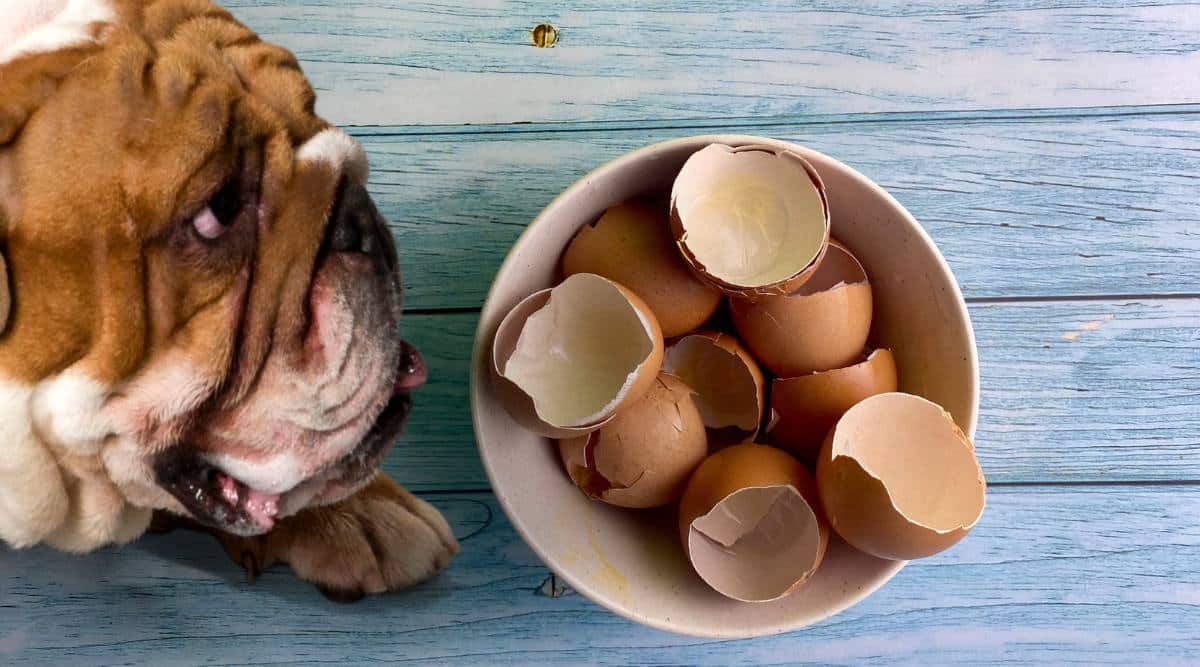
General dosage principles rely entirely on the exact type of diet and the individual dog’s weight. As a strict baseline rule for homemade diets, adult maintenance dogs require about 800 to 1,000 milligrams of calcium per pound of served food.
Because one single teaspoon of finely ground powder contains approximately 1,800 to 2,000 milligrams of pure calcium, a standard recommendation is a half-teaspoon per pound of home-cooked meat.
Every dog’s metabolic needs are distinctly different. You must emphasize veterinary consultation before beginning any regular use.
Mixing powdered shells directly into your dog’s daily food is perfectly acceptable, provided the dog’s overall diet structurally requires the heavy dietary supplementation.
To mix it evenly, gently sprinkle the fine powder over wet food, raw meat, or home-cooked meals, and stir it in thoroughly. Because the powder is exceptionally dry and dusty, mixing it with a small splash of warm, unsalted bone broth is my favorite professional trick. The slight acidity of the bone broth not only prevents your dog from accidentally inhaling the fine dust into their lungs, but it actively helps pre-digest the calcium for better intestinal absorption.
Palatability is almost never an issue. The powder is virtually tasteless, and most dogs do not notice the addition once it is thoroughly blended into a highly palatable, high-value meat meal.
However, I must warn heavily against leaving visible, distinct fragments in the bowl. If you can see distinct pieces reflecting in the light, it is definitely not ground enough. Retreat immediately to the grinder and pulse the material until the mixture perfectly resembles fine baking flour.
Serving the whole egg, completely intact including the exterior, provides a biologically complete nutritional package. The interior offers highly digestible protein, essential fatty acids, and key vitamins, while the exterior provides the dense structural calcium needed to safely balance the high phosphorus found naturally in the yolk.
Nutritional differences between the individual components are highly distinct. Egg whites are primarily water and dense protein. Yolks contain healthy fats, vitamins A, D, E, and K, and essential fatty acids responsible for maintaining a shiny coat and healthy skin barrier.
Balanced preparation methods, such as boiling the egg completely hard and then mashing the entire thing together with a metal fork, are incredibly popular among raw feeders. Boiling thoroughly sanitizes the dangerous exterior while safely cooking the protein-rich interior.
When buying your supplies, always consider the source. Organic farm eggs might have more dirt on the exterior requiring harder scrubbing, while conventional store-bought eggs are often washed in chemical baths. Always rinse your ingredients thoroughly regardless of their origin.

Dogs should absolutely never eat them raw due to the statistically high risk of salmonella contamination found heavily on raw poultry products. They must always be baked at a low temperature to thermally kill harmful bacteria before being heavily processed and safely served to your pet.
The objectively safest method is to rinse them thoroughly with hot water, bake them at exactly 200°F (93°C) for roughly 15 minutes until totally brittle, and then grind them in a dedicated high-speed coffee grinder until they reach a fine, completely grit-free, flour-like consistency.