
Finding a stray shrimp on your plate often leads to this urgent question. You want to treat your dog, but you also worry about potential toxicity or allergic reactions. This guide provides a clear, veterinary-aligned answer on safety, preparation, and portion control.
We will cover exactly how to serve shrimp safely, which parts must be removed, and what symptoms indicate a problem. You will learn the difference between cooked and raw risks and how to introduce this treat without upsetting your dog’s stomach.
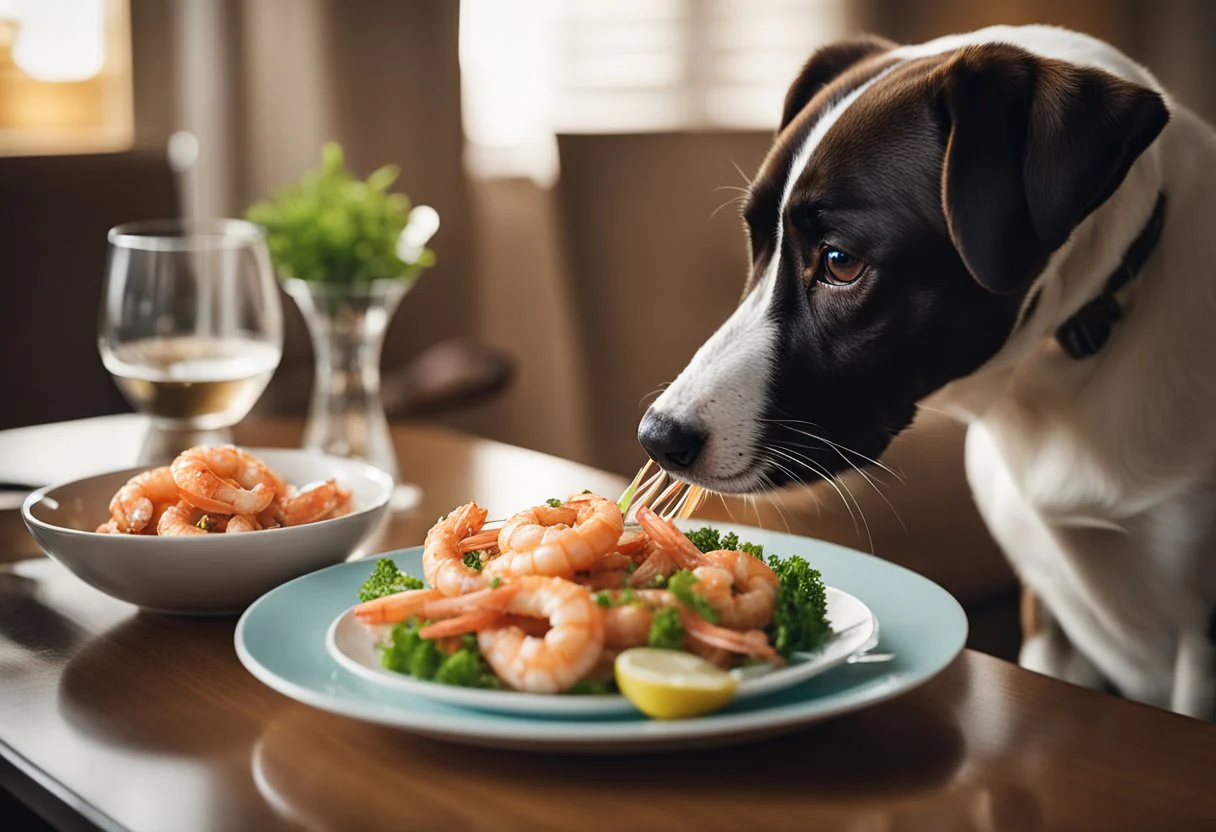
The short answer is yes, dogs can eat shrimp, but strict conditions apply to ensure safety. Shrimp offers protein and nutrients, yet it becomes dangerous if prepared incorrectly or fed in excess. Proper preparation involves boiling or grilling without oil, salt, or spices.
You must remove all shells, tails, and veins before offering any piece to your dog. These hard parts can choke small dogs or cause internal injuries during digestion. Even a small fragment of shell can lead to a veterinary emergency.
Shrimp is generally safe when it is thoroughly cooked, served plain, and given in small portions. Most healthy adult dogs tolerate well-prepared shrimp without issues. However, digestive tolerance varies significantly among different breeds and individual dogs.
Large breeds may handle a few shrimp easily, while tiny breeds might struggle with the richness. Dogs with existing pancreatitis or kidney issues should avoid shrimp due to cholesterol and sodium content. Always observe your dog closely after the first feeding.
Shrimp provides high-quality protein and essential micronutrients that support canine health. It contains vitamins B12 and niacin, which aid in energy metabolism and nervous system function. Phosphorus and antioxidants found in shrimp contribute to bone health and cellular repair.
Despite these benefits, shrimp should never replace a balanced commercial dog food diet. It functions best as an occasional high-value treat or training reward. The nutritional profile is impressive, but the cost and preparation effort limit its daily use.

Shrimp becomes bad for dogs when it is fried, seasoned, or served with harmful additives. High sodium levels in processed shrimp can lead to dehydration and electrolyte imbalances. Cholesterol content is another concern for dogs prone to weight gain or heart conditions.
Overfeeding seafood can disrupt the delicate balance of a dog’s stomach flora. This often results in gastrointestinal upset such as gas or loose stools. Moderation is the key factor that separates a healthy treat from a harmful one.
The primary risks include bacterial contamination, choking hazards, and potential allergic reactions. Raw shrimp often harbors salmonella or vibrio bacteria that cause severe illness in pets. Choking is a real danger if shells or tails are not completely removed.
Allergies to shellfish can develop at any time, even if previous meals were fine. Processed products like popcorn shrimp contain breading and oils that are unhealthy for dogs. Responsible feeding habits require you to inspect every piece before serving.
Fully cooked shrimp is the safest form you can offer to your canine companion. Cooking kills harmful pathogens and makes the protein easier to digest. Safe methods include boiling, steaming, or grilling without added fats.
Avoid using butter, garlic, onion, or heavy salt during the cooking process. These ingredients are toxic or unhealthy for dogs. Portion sizes should be adjusted based on your dog’s weight to prevent overfeeding.
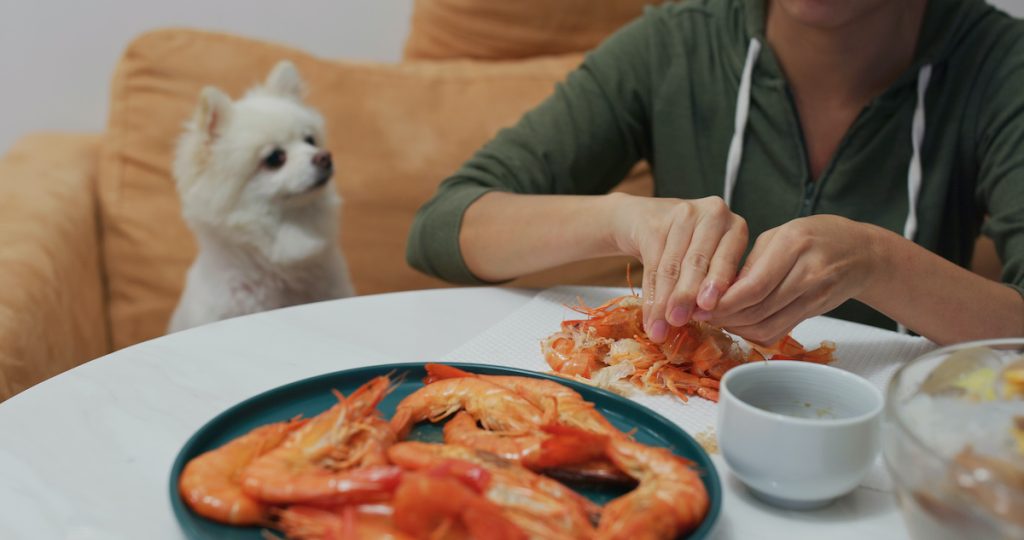
You should never feed raw shrimp to your dog under any circumstances. Raw seafood carries a high load of bacteria such as salmonella and vibrio species. These pathogens can cause severe vomiting, diarrhea, and fever in dogs.
Parasites found in raw shellfish pose another significant health threat to pets. Cooking significantly reduces these health risks by neutralizing harmful organisms. The small potential benefit of raw enzymes does not outweigh the danger of infection.
Dogs must never eat shrimp shells due to the severe choking hazard they present. The hard, sharp texture can scratch the esophagus or cause internal irritation. Ingesting shells often leads to intestinal blockage requiring surgical intervention.
Even powdered shells found in some treats should be vet-approved before use. You must emphasize complete removal of shells before serving any shrimp meat. A single missed tail segment can cause significant distress for your pet.
Reactions vary depending on whether the shrimp was cooked, seasoned, or included shells. Mild reactions often include temporary vomiting or soft diarrhea as the stomach adjusts. More serious signs involve allergic responses such as itching, swelling, or difficulty breathing.
You must contact a veterinarian immediately if severe symptoms appear after consumption. Early intervention prevents minor issues from escalating into life-threatening emergencies. Monitoring your dog for twenty-four hours is a wise precautionary step.
A single plain cooked shrimp is unlikely to cause harm to a healthy adult dog. Factors such as size, breed, and current health status influence the outcome. Small dogs may experience mild stomach upset from the richness alone.
Monitor your dog for any changes in behavior or digestion after accidental consumption. If the shrimp was seasoned or raw, call your vet for specific advice. Most isolated incidents resolve without medical intervention if the shrimp was plain.
Portion guidance depends entirely on the size category of your dog. Small dogs should receive no more than one or two small shrimp per week. Medium dogs can handle three to four shrimp, while large dogs may eat up to six.
Frequency recommendations suggest treating shrimp as an occasional snack rather than a staple. Emphasize moderation to avoid digestive upset or nutrient imbalances. Too much protein at once can strain the kidneys of older dogs.
| Dog Size Category | Weight Range | Max Shrimp Per Week | Preparation Note |
|---|---|---|---|
| Small Breed | Under 20 lbs | 1 to 2 shrimp | Cut into tiny pieces |
| Medium Breed | 20 to 50 lbs | 3 to 4 shrimp | Serve whole or halved |
| Large Breed | Over 50 lbs | 5 to 6 shrimp | Ensure fully cooked |
| Giant Breed | Over 90 lbs | 6 to 8 shrimp | Monitor for choking |
Yes, dogs can develop allergic reactions to shrimp and other shellfish varieties. Symptoms often include skin irritation, excessive scratching, ear infections, or paw licking. Gastrointestinal signs like vomiting and diarrhea are also common indicators of an allergy.
Introduce shrimp slowly for first-time feeding to test tolerance safely. Start with a very small piece and wait twenty-four hours before offering more. Advise immediate veterinary consultation if severe reactions like facial swelling occur.

Puppies require additional caution because their digestive systems are still developing. Introducing rich proteins too early can cause severe stomach upset or long-term sensitivities. Their immune systems are not fully equipped to handle potential bacteria.
Recommend consulting a veterinarian before offering seafood to puppies under one year. Wait until vaccination schedules are complete and the diet is stable. Patience ensures your puppy grows without unnecessary dietary risks.
Shrimp is just one option among many seafood choices available for dogs. Fish like salmon and whitefish are generally safer and easier to digest. Mercury concerns exist for large predatory fish like tuna or swordfish.
Preparation standards remain the same across all seafood types for pets. Always cook thoroughly and remove bones to prevent choking or internal injury. Compare shrimp to other options to find the best treat for your dog.
| Seafood Type | Safety Level | Primary Risk | Preparation Requirement |
|---|---|---|---|
| Cooked Shrimp | High | Choking/Allergy | Shell-free, plain |
| Cooked Salmon | High | Bones/Parasites | Boneless, fully cooked |
| Canned Tuna | Medium | Mercury | Water-packed, rare only |
| Raw Oysters | Low | Bacteria/Toxins | Never feed raw |
Follow a step-by-step preparation advice from cleaning to serving for maximum safety. Start by purchasing fresh or frozen shrimp without added sauces or brine. Boil or steam the shrimp until it turns pink and opaque throughout.
Remove every trace of the shell, tail, and digestive vein carefully. Recommend starting with very small portions for testing tolerance in your dog. Store leftovers in the refrigerator and discard them after two days.
Dogs can eat shrimp without getting sick if it is plain, cooked, and shell-free. Proper preparation eliminates most bacteria and physical hazards associated with seafood. Monitoring portion sizes prevents digestive overload and stomach upset.
Yes, dogs can be allergic to shrimp, and signs include itching and vomiting. Look for redness on the skin or swelling around the face and eyes. Respiratory distress requires immediate emergency veterinary attention to ensure safety.