
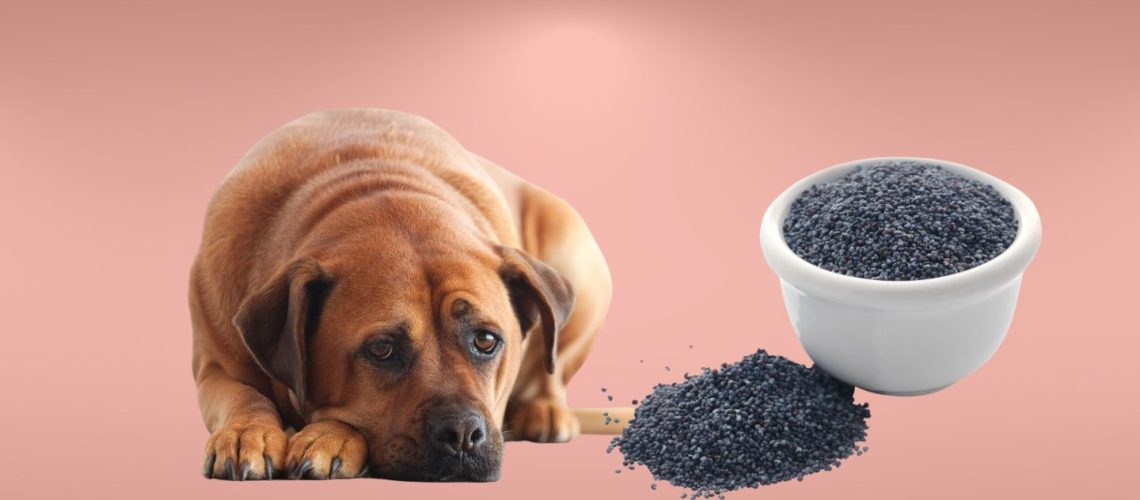
Your dog just grabbed a poppy-seed muffin off the counter. Now you need to know if this is a real emergency or a minor scare. Based on established veterinary toxicology guidelines from the ASPCA and Pet Poison Helpline, poppy seeds are toxic to dogs. Even small amounts contain opioid alkaloids that can trigger dangerous symptoms. This guide covers exactly why poppy seeds harm dogs, what poisoning looks like at every stage, which baked goods carry the highest risk, and the precise steps to take right now if your dog ate them.

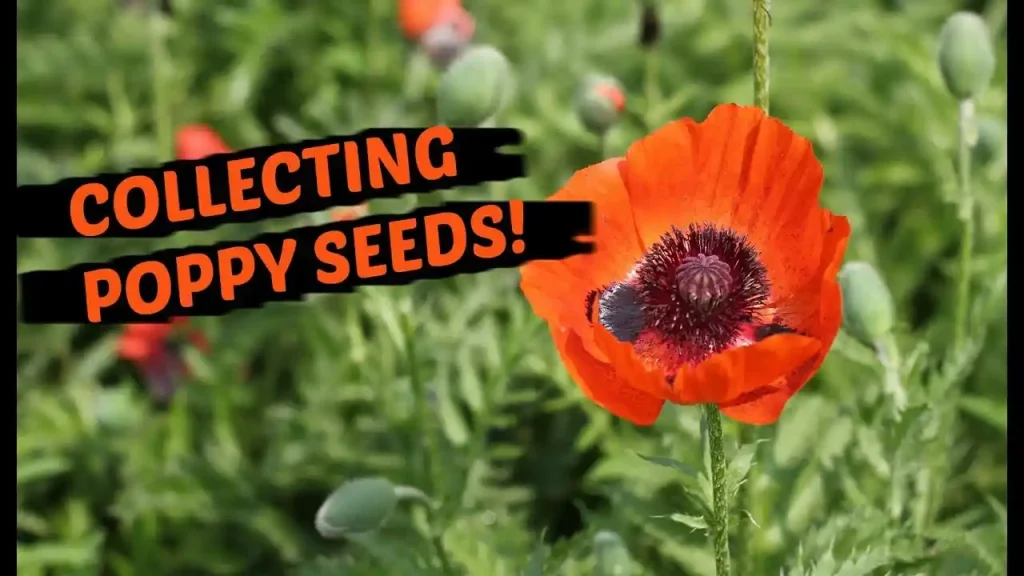
No. Dogs should never consume poppy seeds in any form. The seeds come from the opium poppy plant (Papaver somniferum), which the ASPCA classifies as toxic to dogs. They contain opioid alkaloids, primarily morphine and codeine, that affect a dog’s central nervous system far more intensely than a human’s.
Here’s the thing: many pet owners assume poppy seeds must be harmless because they are a common baking ingredient. In veterinary practice, this assumption is one of the most frequent reasons pet owners delay seeking help. Dogs metabolize opioid compounds differently than humans. What registers as a negligible dose for a person can produce measurable toxic effects in a 15-pound dog.
The alkaloid concentration also varies unpredictably between seed batches depending on origin, harvest timing, and washing processes. This means you cannot judge safety by quantity alone.
Ensure your pet’s safety by consulting with our experienced veterinarians for personalized advice on dietary risks and safe food choices for your dog.
| Factor | Humans | Dogs |
|---|---|---|
| Opioid Sensitivity | Low at food-level doses | High |
| Typical Reaction | None noticeable | Sedation, CNS depression |
| Confirmed Safe Amount | Small amounts in food | None established |
Yes. The Pet Poison Helpline and ASPCA both classify poppy seeds as toxic to dogs due to their opioid alkaloid content. These compounds include morphine, codeine, thebaine, and papaverine.
A common pitfall is assuming baked goods are safer because heat destroys the toxins. Research on alkaloid thermal stability shows that standard baking temperatures reduce but do not eliminate opioid content. Significant traces survive the process, which is why veterinary professionals treat baked poppy seed products with the same caution as raw seeds.
The toxicity risk depends on three variables: how many seeds were consumed, the alkaloid concentration of that specific batch, and the dog’s body weight. Because the first two factors are almost impossible for a pet owner to determine at home, veterinarians consistently recommend treating any poppy seed ingestion as potentially dangerous.
Recognizing symptoms early can determine whether your dog recovers quickly or faces a serious medical crisis. In most veterinary cases, symptoms appear within 30 minutes to several hours after ingestion and follow a predictable progression.
Early signs (30 minutes to 2 hours):
Progressive signs (2 to 6 hours):
So what does this actually look like? Pet owners often describe their dog as acting “drunk” or “zoned out.” The dog may stumble, seem confused, or fail to respond to their name. These are not signs of tiredness. They indicate central nervous system depression.
One pattern veterinary professionals commonly observe is that owners initially dismiss the early symptoms as the dog “just being sleepy.” By the time breathing changes become obvious, the poisoning has progressed to a more dangerous stage. Do not wait for symptoms to worsen if you know poppy seeds were consumed.
| Symptom | Severity | Typical Onset |
|---|---|---|
| Lethargy, sedation | Mild to moderate | 30 min to 2 hours |
| Pinpoint pupils | Moderate | 1 to 3 hours |
| Loss of coordination | Moderate | 1 to 3 hours |
| Respiratory depression | Severe | 2 to 6 hours |
| Unresponsiveness | Critical | 4+ hours |

Act quickly. Time directly affects outcomes with opioid-related toxicity. Follow these steps in order:
But that’s not all. Knowing what information your vet needs speeds up every decision. Have this ready before you call: your dog’s exact weight, the product ingredient list if available, and a timeline of any behavioral changes you have observed since ingestion.
While waiting for veterinary guidance, keep your dog in a quiet, confined space at ground level. If the dog is showing coordination problems, prevent access to stairs or elevated furniture where a fall could cause injury.
Write down a symptom timeline. Note when you first observed changes and what those changes look like. This record helps the veterinarian make faster treatment decisions, particularly when determining whether decontamination is still effective.
A mistake some pet owners make is attempting home remedies found online, such as giving hydrogen peroxide to force vomiting. Hydrogen peroxide dosing is weight-dependent and can damage the esophagus if administered incorrectly or if the dog is already sedated. Never attempt decontamination without direct veterinary instruction.
No. A standard poppy seed muffin contains one to two tablespoons of seeds, which represents a meaningful toxic risk for small and medium dogs. The muffin itself adds complications. Most recipes include high sugar, butter, and occasionally xylitol (an artificial sweetener that is independently toxic to dogs and can cause liver failure).
In real-world veterinary cases, baked goods are the most common source of poppy seed poisoning in dogs. Dogs are far more likely to steal a muffin from a counter than to find raw poppy seeds. If your dog ate a poppy-seed muffin, treat it with the same urgency as raw seed ingestion.

No. Poppy seed bagels often have a dense exterior seed coating, meaning the seed-to-dough ratio can actually be higher than in a muffin. Some bagel varieties also contain garlic or onion seasoning, both of which are separately toxic to dogs.
Safer alternatives for dogs who beg for human food include plain cooked sweet potato, seedless watermelon, or small pieces of banana. These satisfy the treat impulse without introducing any toxic risk.
| Baked Good | Poppy Seed Load | Additional Dog Risks |
|---|---|---|
| Poppy seed muffin | 1-2 tablespoons throughout | Sugar, butter, possible xylitol |
| Poppy seed bagel | Dense surface coating | Possible garlic or onion |
| Poppy seed bread | Distributed or concentrated filling | Yeast, sugar, possible raisins |
| Lemon poppy seed muffin | 1-2 tablespoons | Citrus oils, sugar, butter |
No. Lemon poppy seed muffins present a compound risk from two problematic ingredients. The poppy seed danger remains identical to what is described above. The lemon component introduces citric acid and citrus essential oils containing limonene and linalool, compounds that dogs metabolize poorly and that irritate the gastrointestinal tract.
While a small amount of lemon alone is unlikely to cause serious harm, the combined toxic burden of opioid alkaloids and citrus compounds increases the overall stress on your dog’s system. Baking does not sufficiently neutralize either ingredient. Follow the same emergency protocol for lemon poppy seed muffins as for any other poppy seed product.
No. Poppy seed bread distributes seeds throughout the dough, meaning every bite contains them. Some recipes use a concentrated ground-seed filling, which may pose even greater risk. Ground poppy seeds have a broken seed coat, allowing digestive enzymes faster access to the alkaloid content inside.
Other bread ingredients can compound the problem. Some poppy seed bread recipes include raisins (toxic to dogs and capable of causing kidney failure), excessive sugar, or alcohol-based flavor extracts. If your dog ate poppy seed bread, check the full ingredient list and report it to your vet.
Large-quantity ingestion is a veterinary emergency requiring immediate professional intervention. The opioid alkaloids cause progressive central nervous system depression, and in severe cases, this can lead to respiratory failure.
“Large quantity” is relative to body weight; for a five-pound Chihuahua, a tablespoon of seeds could produce severe symptoms. A seventy-pound Labrador might tolerate more before showing the same effects. This is why reporting your dog’s exact weight to the veterinarian or poison control is essential.
Let me explain why respiratory depression is the primary danger. Opioid compounds suppress the brainstem’s breathing center. As this suppression deepens, oxygen delivery to organs drops, creating a cascade of potential complications, including organ damage. This is the same mechanism behind opioid overdose emergencies in humans, and the veterinary response follows similar principles.
In severe cases, veterinary intervention includes aggressive decontamination, IV fluid support, respiratory assistance, and administration of the opioid antagonist naloxone.
Yes. Poppy seeds contain trace amounts of morphine and codeine that produce detectable metabolites in blood and urine. This is well-documented in human medicine and applies equally to canine testing.
This becomes relevant in specific situations: veterinary forensic cases, pet custody disputes, or scenarios where unusual dog behavior triggers suspicion of intentional exposure. If your dog tests positive for opiates after consuming poppy seed products, inform the veterinarian so results can be properly interpreted. The positive result reflects the natural alkaloid content of the seeds, not exposure to illicit substances.
No veterinary authority has established a specific safe threshold for poppy seed consumption in dogs. The Merck Veterinary Manual and ASPCA both classify the poppy plant as toxic without specifying a minimum toxic dose, largely because alkaloid concentration varies too dramatically between seed sources to set a reliable number.
Factors influencing toxicity severity include dog size and weight, seed origin and processing method, whether seeds are whole or ground, and individual metabolic sensitivity. Because of this unpredictability, the veterinary standard of care is to treat any confirmed poppy seed ingestion as potentially toxic.
Diagnosis combines clinical history, physical examination findings, and sometimes laboratory confirmation:
There is no single definitive laboratory test labeled “poppy seed poisoning.” Diagnosis relies on the pattern of known exposure, consistent clinical signs, and treatment response.
Treatment varies based on the amount consumed, time elapsed, and symptom severity.
Decontamination (recent ingestion only):
Supportive care:
Antidote:
Monitoring:
Prevention remains more reliable than any treatment. These measures address the most common exposure scenarios veterinary professionals encounter:
No, dogs cannot safely consume poppy seeds. The primary risk is opioid toxicity from morphine and codeine naturally present in the seeds. Even small amounts can cause sedation, respiratory depression, and central nervous system effects in dogs. No veterinary authority has established a safe serving size. Treat any ingestion as a potential emergency and contact your veterinarian immediately.
The severity depends on the amount consumed relative to your dog’s body weight. Small ingestions may cause mild sedation and lethargy. Larger amounts can progress to respiratory depression and, in rare but serious cases, can become life-threatening without treatment. Symptoms can develop or worsen over several hours after ingestion. Contact your vet immediately rather than waiting to observe whether symptoms appear.