
If you are considering Maltese adoption, your biggest hurdle is likely picking the right fit for your home, not whether the breed is lovable. This guide is built to help you do exactly that, using real rescue experiences and data from the people who have lived it.

Maltese adoption means taking responsibility for a small companion dog that may have come from a shelter, breeder surrender, owner rehoming, neglect case, retired breeding situation, or private family emergency. The emotional reward is real. A Maltese often bonds intensely, follows room to room, and can become a soft little routine in the home. But the commitment is also real.
Here is the simple adoption map I use when evaluating fit:
| Adoption factor | What I look for | Why it matters |
|---|---|---|
| Time at home | Can someone provide routine and companionship? | Maltese can struggle with isolation |
| Grooming budget | Can the family afford coat and dental care? | Small white coats need maintenance |
| Household noise | Is the home calm enough for a sensitive dog? | Some Maltese bark when overstimulated |
| Handling style | Are children gentle and supervised? | Tiny dogs are physically fragile |
| Long-term plan | Is there a 10 plus year care plan? | Adoption is not a short project |
Before starting, I would prepare for an application, interview, vet reference, home check, adoption fee, transition period, and follow-up. More importantly, I would prepare emotionally for decompression. A rescued Maltese may not show its real personality for days or weeks.
The best options are breed-specific rescues, general animal shelters, foster-based rescues, and careful private rehoming. I usually rank them by transparency, not popularity.
Breed-specific rescues often know Maltese behavior, grooming needs, dental issues, and small-dog placement risks. General shelters may have lower fees and more urgent cases, but less breed-specific history. Private rehoming can work well when the current owner is honest, but it requires extra verification.
| Adoption source | Best for | Watch-outs |
|---|---|---|
| Maltese rescue | Breed-specific matching and foster notes | Waitlists and detailed screening |
| General shelter | Local dogs needing quick placement | Limited history may be available |
| Private rehoming | Direct background from owner | No rescue safety net unless formalized |
| All-breed foster rescue | Home-based behavior insight | Breed knowledge varies |
Take action today by reaching out to our listed partners to begin your Maltese adoption process and change a dog’s life forever. Before you do, prepare a small safe zone with a bed, water bowl, washable pads, harness, leash, baby gate, and grooming brush. I would also hold a family meeting and decide who handles feeding, walks, vet visits, grooming appointments, and training.
My rule is simple: if the adoption source cannot explain the dog’s medical status, temperament, bite history, and return policy, I do not treat the match as ready.
To adopt a Maltese near you, start with local shelters, breed rescue websites, Petfinder-style databases, veterinarian bulletin boards, groomer referrals, and local foster networks. I would search within driving distance first, then widen the radius if you are open to transport.
When contacting a rescue, ask:
Visiting multiple dogs matters. I have seen families fall for the first available Maltese because the photos were adorable, then later realize a calmer adult would have fit better than a high-energy puppy. Personality match beats speed.
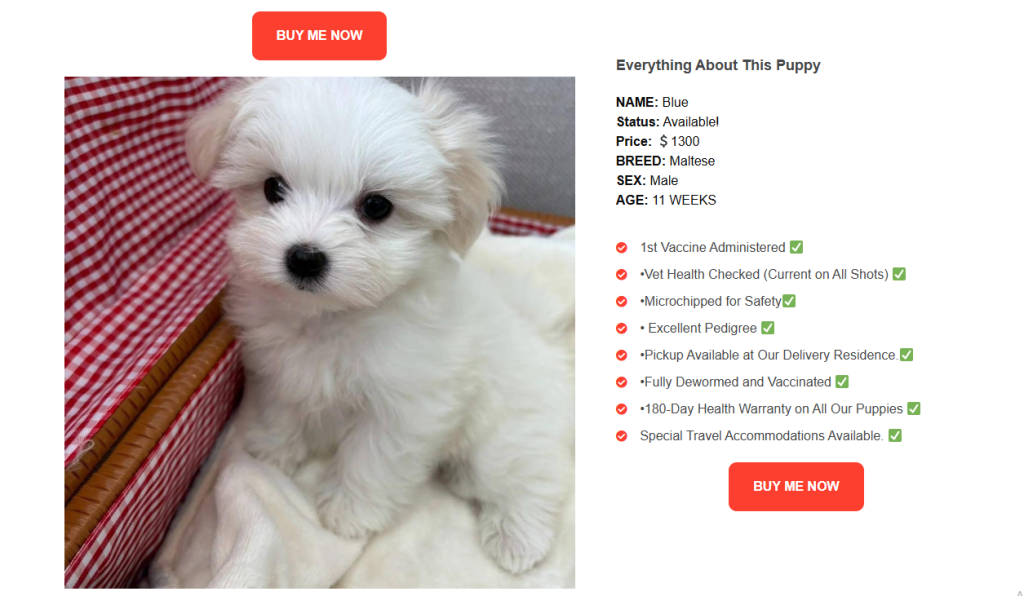
A Maltese rescue can offer structure, screening, foster observations, and breed-specific guidance. That support is valuable because Maltese dogs are not just “easy small dogs.” They can be sensitive, vocal, clingy, picky with handling, and surprisingly opinionated.
Common misconception: rescue dogs are “damaged.” I do not see it that way. Many are under-supported. A Maltese surrendered after an owner’s illness may be loving, trained, and confused. A retired breeding dog may be shy, but gentle. A puppy from a shelter litter may need everything taught from zero.
The better question is not “Is rescue risky?” The better question is “What does this exact dog need, and can I provide it?”
Responsible Maltese rescue organizations usually offer intake assessment, vet exams, spay or neuter coordination, vaccinations, microchipping, dental evaluation, foster care, grooming, behavior notes, applicant screening, adoption contracts, and return support.
Here is my rescue green flag and red flag checklist:
| Green flags | Red flags |
|---|---|
| Provides written medical records | Avoids health questions |
| Uses foster observations | Pushes same-day emotional decisions |
| Has a return policy | Says all adoptions are final with no support |
| Explains known behavior issues | Claims every dog is perfect |
| Screens adopters carefully | Takes money before any real conversation |
Post-adoption resources may include trainer referrals, grooming advice, feeding transition instructions, and check-ins. Good screening is not meant to insult you. It protects the dog and the adopter.
Maltese puppies are sweet, tiny, and demanding. Compared with adults, they need more supervision, more potty breaks, more socialization, more vet visits, and more patience. If I were adopting a Maltese puppy, I would assume the first 90 days are a lifestyle adjustment, not a cute photo season.
Puppies need early exposure to gentle handling, grooming tools, household sounds, car rides, crate or pen time, and safe people. They also need house-training consistency. Small-breed puppies can have tiny bladders, so accidents are not a moral failure. They are a management issue.
| Puppy need | Practical expectation |
|---|---|
| Potty training | Frequent breaks and accident cleanup |
| Grooming training | Short brushing sessions before tangles form |
| Socialization | Calm, positive exposure, not overwhelming crowds |
| Vet care | Vaccine series, parasite checks, growth monitoring |
| Alone-time practice | Short sessions to reduce separation distress |
Ask for vaccination records, deworming history, microchip information, and any vet notes. If the puppy is from rescue, ask what is known about the mother, littermates, and intake situation.
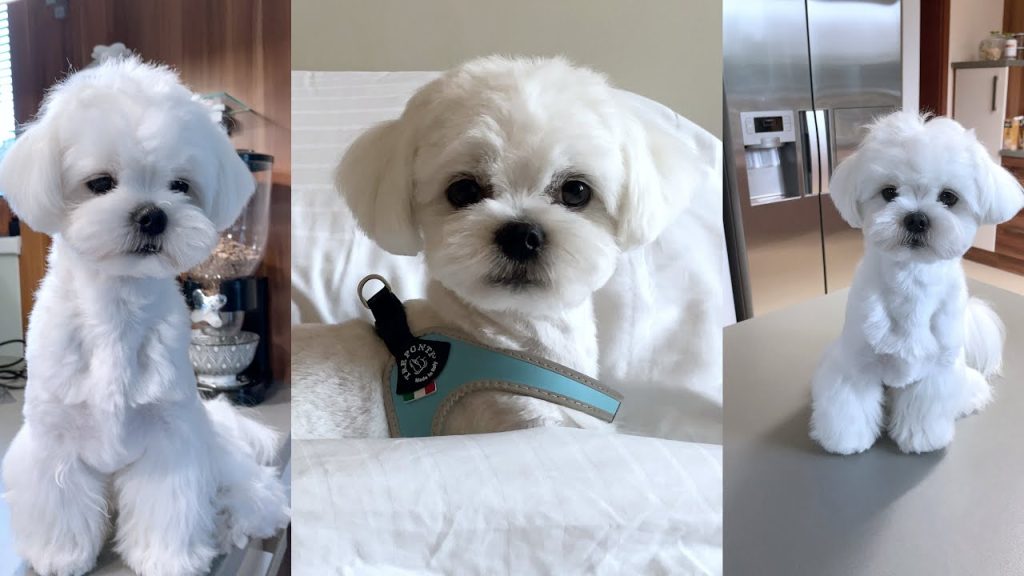
Legitimate channels include breed-specific rescues, all-breed rescues, shelters, and carefully verified rehoming situations. Puppies are less common in rescue than adult dogs, so patience helps.
A typical puppy adoption process may include an application, phone interview, landlord approval if renting, vet reference, home safety check, adoption fee, spay or neuter agreement if too young, and a signed contract.
Yes, free Maltese puppies can be legitimate, but they can also hide expensive problems. Free upfront does not mean low-cost long term. A puppy with parasites, poor early nutrition, missed vaccines, dental issues, or genetic concerns may cost far more than a transparent adoption fee.
Before accepting a free puppy, I would ask for:
If the person refuses basic questions, I would walk away. Compassion should not require blindness.
Adopting a teacup Maltese may be right only if you understand the risks of very small dogs. “Teacup” is not an official separate Maltese breed classification. It usually describes an unusually tiny Maltese or Maltese-type dog, often marketed for size.
Very small dogs can be more vulnerable to injury, low blood sugar episodes, dental crowding, fragile bones, temperature sensitivity, and complications during routine care.
I would be cautious in homes with toddlers, large energetic dogs, slippery stairs, or people who want a rugged travel companion. A tiny Maltese may need ramps, supervised handling, soft flooring, small frequent meals, and a vet familiar with toy breeds.
Ethically, I am wary when sellers use “teacup” as the main selling point. In rescue, however, the dog already exists. The question becomes whether you can protect that dog’s body and quality of life.
Adult Maltese adoption is one of the most practical choices for many families. With an adult dog, you can often see the real size, coat type, energy level, social confidence, barking tendency, and handling tolerance before adoption.
Adult dogs may already understand leash walking, sleeping routines, grooming, and house manners. They still need patience, but they usually do not require the round-the-clock puppy management that surprises first-time adopters.
Senior Maltese can be especially meaningful. They may need dental care, softer food, joint support, or more frequent vet checks, but they often give a peaceful kind of companionship. If your home is calm, predictable, and affectionate, an older Maltese can be a wonderful fit.
My opinion: if a family says they want a Maltese puppy because puppies are “easier to shape,” I ask them to meet an adult foster first. Predictability is often more valuable than starting from scratch.
National Maltese rescue organizations usually operate through foster homes rather than one central shelter. That model allows dogs to be observed in real households, which creates better matching.
Examples to verify include the American Maltese Rescue Association and other Maltese or small-breed rescue networks. Some groups focus only on Maltese, while others help Maltese mixes, Maltipoos, Bichons, Shih Tzus, and similar companion breeds.
Compare organizations by:
| Factor | Why it matters |
|---|---|
| Geographic reach | Determines whether transport or local pickup is possible |
| Foster network | Gives better insight into behavior |
| Medical standards | Shows how thoroughly dogs are evaluated |
| Contract terms | Explains return policy and adopter obligations |
| Education resources | Helps after adoption, not just before payment |
Success stories matter, but I would still judge by process. A rescue with fewer glossy stories but careful screening may be better than one with emotional posts and vague policies.
Its role is typically centered on rescuing Maltese dogs, placing them into foster care, arranging medical attention, evaluating temperament, and matching dogs with qualified adopters. A foster-based model benefits the dogs because it reveals everyday behavior: sleeping habits, barking triggers, grooming tolerance, fear responses, and comfort with other pets.
Education is another important role. Responsible Maltese ownership includes coat care, dental care, safe handling, training, and realistic expectations about small companion breeds. A rescue that teaches these things is doing more than moving dogs from one home to another. It is reducing the chance of another surrender.
Florida adopters can look for Maltese-specific rescues, small-dog rescues, county shelters, humane societies, and foster-based groups serving cities such as Miami, Tampa, Orlando, Jacksonville, Sarasota, and surrounding areas.
Florida’s climate matters. Maltese dogs can enjoy warm weather, but heat, humidity, hot pavement, fleas, ticks, and hurricane planning all need attention. A Maltese with a long coat may overheat during midday walks, while a clipped coat still needs sun and skin awareness.
Browse our recommended Florida rescue contacts on our website to schedule a meet and greet with your future Maltese companion. When connecting with local fosters, ask whether the dog is comfortable with storms, elevators, car rides, and apartment noise. In Florida, I would also ask about heartworm testing and prevention because regional parasite risk can be significant.
California adopters can connect with Maltese rescue through breed-specific groups, small-dog rescues, municipal shelters, and regional foster networks in Southern California, the Bay Area, the Central Valley, and Northern California.
Transportation programs sometimes bring small dogs from overcrowded areas to California adopters, but transport should be handled carefully. I would ask how long the dog traveled, whether a health certificate was provided, who monitored the dog, and what happens if the dog arrives stressed or ill.
California rescues commonly use applications, interviews, landlord checks, vet references, meet and greets, and adoption contracts. Some require local adoption only. Others allow wider placement if the adopter can travel.
My practical advice: do not fall in love with a photo from 500 miles away until you understand the process. A good rescue will care more about fit than speed.
New Jersey rescues may provide intake care, foster homes, medical evaluation, grooming, dental assessment, behavior notes, adopter screening, and post-adoption support. Because New Jersey is close to several major metro areas, rescues may handle dogs from local shelters, owner surrenders, and transport partnerships.
Regional challenges can include apartment living, winter weather, busy streets, and multi-pet households. A Maltese in New Jersey may need coat protection in cold weather, safe sidewalk habits, and confidence around elevators or traffic sounds.
The matching process usually starts with an application, then moves to a phone call, references, a meet and greet, and adoption approval. I would ask whether the dog has been tested around city noise, children, other small dogs, and grooming appointments. Those details are more useful than simply knowing the dog is “sweet.”
Maltese adoption usually moves through search, inquiry, application, interview, screening, meet and greet, approval, contract, fee, pickup, decompression, and follow-up. The process can feel slow, but careful placement prevents heartbreak.
Here is my simple first 3 months plan:
| Timeline | What to do | What to avoid |
|---|---|---|
| First 72 hours | Keep routine quiet, use a small safe area, limit visitors | Dog parks, parties, constant handling |
| First 2 weeks | Track eating, potty habits, barking, sleep, fear triggers | Changing food repeatedly |
| First 3 months | Build training, grooming rhythm, vet relationship | Expecting perfect behavior too soon |
Home visits and reference checks are not just bureaucracy. They help confirm safe fencing, appropriate supervision, pet policies, and realistic expectations.
Use this quick branching quiz before applying:
Readiness score:
| Question | Yes = 1 point |
|---|---|
| I can afford grooming every 4 to 8 weeks if needed | |
| I have a vet plan | |
| I can manage potty accidents during transition | |
| I understand dental care may be expensive | |
| I can provide daily companionship | |
| I have a safe plan for children and other pets | |
| I can return to the rescue if the match fails | |
| I am choosing temperament over color or size |
If you score under 6, I would pause and prepare more. If you score 6 to 8, you are likely ready to start conversations.
Maltese adoption is the process of taking in a Maltese or Maltese-type dog from a rescue, shelter, foster network, or private rehoming situation. It usually starts with research, then an inquiry, application, interview, screening, meet and greet, adoption contract, and transition home.
The best adoptions happen when the adopter asks detailed questions and the rescue answers honestly. I would focus on medical records, grooming needs, barking, separation anxiety, house-training, comfort with children, and return policy.
A good adoption is not just getting approved. It is choosing a dog whose needs you can meet on ordinary busy days, not just on the exciting first weekend.
Adopting a teacup Maltese can be the right decision for a very careful home, but it is not the right choice for everyone. The term “teacup” is usually a size description or marketing label, not a separate official breed.
I would only consider a very tiny Maltese if the home can provide gentle handling, close supervision, safe flooring, climate control, regular veterinary care, and protection from rough play. Homes with small children, large dogs, or chaotic activity may be safer with a sturdier adult Maltese.
The ethical difference matters too. Rescuing an existing tiny dog is different from supporting breeding that prioritizes extreme small size. If you adopt one, make the decision based on welfare, not novelty.