
If I were looking at Maltese puppies for sale on Oahu, I would not start with price. I would start with health records, climate fit, and whether the breeder can explain the puppy’s parents without dodging questions. The cheapest puppy often becomes the most expensive dog. In this guide, I break down fair pricing, the biggest red flags, and why teacup marketing is the wrong shortcut for island buyers.

Buying a Maltese on Oahu is different from buying one on the mainland. The island market is smaller, travel is harder to hide, and the best breeders usually know that buyers will ask sharper questions. That is a good thing. It rewards people who care about records, temperament, and how the puppy will actually live in a warm, humid home.
I would treat the search like a screening process, not a shopping trip. A puppy that looks cute in a photo still needs proof of health, proof of care, and a breeder who can explain the litter’s routine without hesitation.
You can find them through local kennel clubs, veterinarian referrals, rescue groups, and verified breeder directories. I would start there before I touch a classified ad.
| Search Source | Why I Trust It More | What I Would Verify |
|---|---|---|
| Local Kennel Club | Better breeder visibility | Membership, litter history, health screening |
| Veterinarian Referral | Real-world reputation | Vaccination records, clinic relationship |
| Rescue Group | Honest background notes | Age, temperament, adoption terms |
| Classified Ad | Wider selection, higher risk | Physical address, parents, no pressure |
Here’s the thing: the source matters less than the proof. A polished website does not mean a healthy puppy. A plain rescue page can be far more trustworthy than a flashy ad.
Mini Branching Quiz: Should I Keep Looking?
Can the seller show you the puppy’s parents or parent records?
Can you visit the puppy or verify the location in a real way?
Can they explain vaccinations, feeding, and socialization without changing the story?
The true cost is not just the purchase price. It is the first-year total, plus the time you will spend on grooming, vet visits, and transport if the puppy is not already local. On Oahu, I would budget for the dog, not just the sale.
| Cost Item | What Raises It | What I Would Ask |
|---|---|---|
| Purchase Price | Pedigree, demand, health work | What tests were done? |
| Grooming | Coat care, frequency, tear stains | How often was the puppy trimmed? |
| Vet Care | Vaccines, exams, emergencies | What is included at pickup? |
| Transport | Mainland shipping, inter-island travel | Who handles the crate and paperwork? |
I would be suspicious of any price that looks too low for the amount of care promised. Responsible breeding costs money. If the seller is doing everything right, the price usually reflects that.
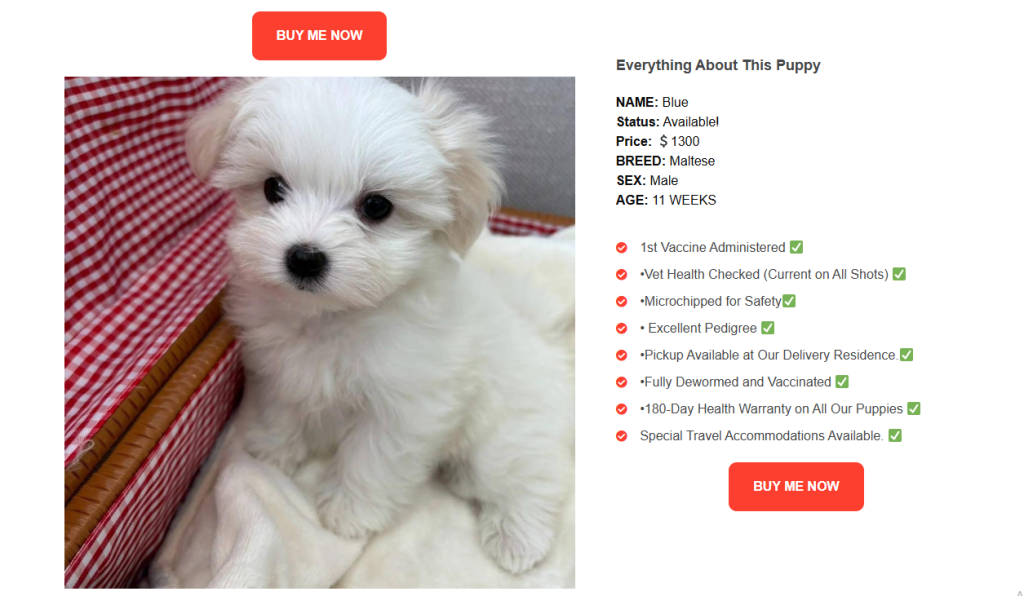
Ethical breeders spend money before the puppies are even born. They pay for prenatal care, emergency veterinary support, quality food, clean whelping areas, and early socialization. That is one reason the price climbs.
I also look at time costs. Good breeders answer questions, screen buyers, and keep records. That takes effort. A cheaper puppy can hide shortcuts in hygiene, care, or follow-up support.
Pet quality usually costs less because the puppy is sold as a companion, not a show prospect. Show quality costs more because the dog is expected to match the breed standard more closely.
| Type | Best For | Price Signal |
|---|---|---|
| Pet Quality | Family companion | Lower |
| Show Quality | Conformation ring | Higher |
| Breeding Rights | Select buyers only | Highest |
The important thing is this: show quality does not automatically mean better family dog. If your goal is companionship, a healthy pet-quality Maltese can be the smarter choice.
Yes, I would avoid teacup Maltese puppies. The term teacup is a marketing label, not an official breed category, and it often points to poor breeding decisions rather than better quality.
Fact-check: Major kennel clubs do not recognize teacup as a breed standard. That matters because the label can create false expectations about size, health, and lifespan.
The risks are serious. Tiny size can come with hypoglycemia, fragile bones, dental crowding, and heart or liver problems. I would never pay extra for a puppy made smaller on purpose if the tradeoff is a weaker start in life.
What I would watch for instead:

Three things matter most to me: pedigree, health testing, and location. Oahu can add travel and supply costs, while a breeder’s reputation can add value if the puppy comes with real documentation.
I would also want the health guarantee in writing. A promise means little if it has broad exclusions or no clear follow-up plan.
Pedigree helps tell me what kind of background the puppy comes from. It does not guarantee health, but it does show whether the breeder can document the line.
A clear lineage can also show me temperament patterns, size consistency, and whether the parents were stable enough to be bred responsibly. I would compare the breeder’s paperwork against the official breed standard before I pay a premium.
They should. I want to see actual testing, not just a verbal promise. For Maltese, that often means asking about patella checks, eye screenings, DNA testing, and any breed-relevant veterinary exams.
The real value is long-term. A tested line can save money, reduce stress, and lower the chance of surprise vet bills later. I would rather pay more once than pay forever for avoidable problems.
The biggest red flags are usually simple: low price, no records, no questions, and pressure to pay fast. If a seller wants your money before they answer your questions, that is not a good sign.
| Red Flag | Why It Worries Me | What I Want Instead |
|---|---|---|
| Very Low Price | Can hide shortcuts | Clear pricing explanation |
| No Facility Visit | Weak transparency | In-person or verified visit |
| Missing Records | Health is unclear | Vaccination and vet proof |
| Pushy Sales Tactics | Pressure replaces care | Time to think and compare |
I also worry when sellers avoid talking about the mother, the litter environment, or how the puppies are socialized. A responsible breeder should welcome those questions.
I use a simple three-part filter: records, access, and response. If a breeder fails any one of these, I slow down.
Yes, but I would not expect a purebred Maltese to appear on demand. Rescue availability changes fast, and many Oahu-area shelters and foster groups see more mixed-breed small dogs than exact purebreds.
That said, adoption can be a strong choice. It often costs less up front and can include spay or neuter care, early vaccines, and microchipping. If I had time to wait, I would check rescue first.
The best part is that adoption can reveal temperament faster. An adult or older puppy may already show how it behaves in a home, which is useful if you want fewer surprises.
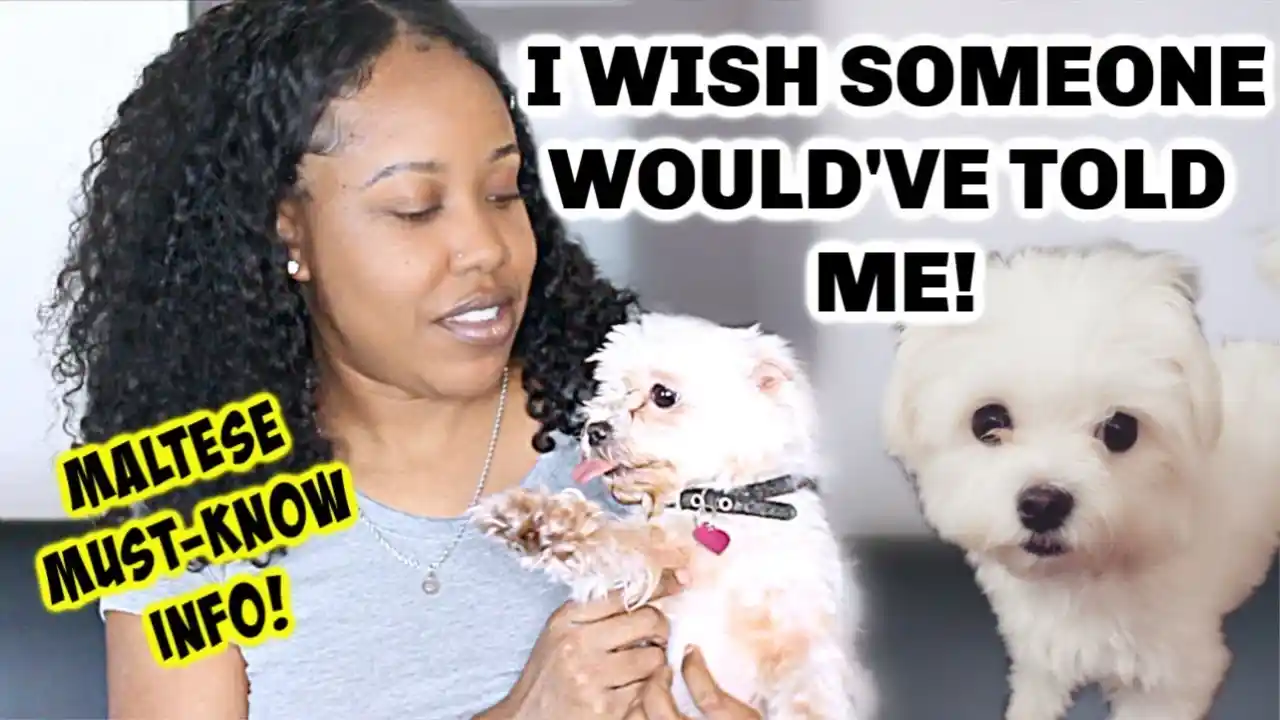
Sometimes, yes, but only if the travel plan is clear and humane. Shipping a puppy safely is about temperature, timing, paperwork, and stress reduction. It is not just about putting a crate on a plane.
If the puppy is coming from the mainland, I would want written confirmation of the flight method, the crate type, and the health certificate. If the weather is bad or the puppy is too young to travel safely, I would wait.
I would begin with local kennel clubs, veterinarian referrals, and rescue organizations that already have a reputation in Hawaii. If a seller cannot point to a local network, I would be more cautious.
This section is where island buyers need the most judgment. A local outlet should be able to explain where the puppy was born, who handled the vet care, and how the puppy was socialized. If that story is fuzzy, I would keep looking.
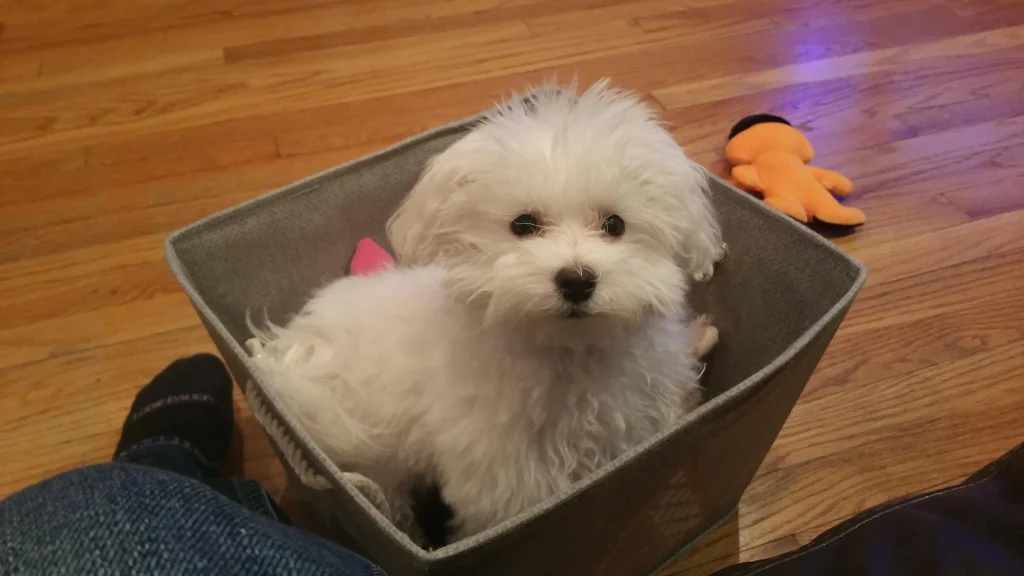
I would start with local kennel clubs, rescue groups, and veterinarian referrals before I browse classified ads. That gives me a better chance of finding a puppy with records and a real background. If I cannot verify the seller, I move on.
Watch for low prices with no proof, rushed payment requests, and refusal to show records or living conditions. I would also avoid anyone who pushes teacup language or gets defensive when I ask questions. Good sellers answer clearly, not emotionally.