
I remember the first time my dog grabbed a fig off the kitchen counter. My heart dropped. Like many pet owners, I immediately wondered whether this sweet fruit that I was enjoying could harm my furry companion. That moment of panic sent me down a research path that many of you are on right now. Figs are not toxic to dogs, but understanding the right way to share this fruit matters more than most people realize. This guide will walk you through everything you need to know to make safe decisions for your dog.

Dogs can eat figs, but only in moderation and with proper preparation. Fresh, ripe figs given occasionally in small quantities are generally safe for most dogs. This fruit contains fiber, vitamins, and minerals that can offer some nutritional value, but the natural sugars make portion control essential. The texture and sweetness appeal to many dogs, but responsible serving prevents potential problems. I have found that my own dog responds well to fig treats when I follow the preparation steps carefully, though every dog is different and monitoring for reactions matters.
Fresh figs are the safest form of this fruit when sharing with your dog. Ripe figs are soft, easier to digest, and contain fewer concentrated sugars than dried varieties. When a fig ripens fully on the branch, its natural sugars develop completely and the fruit becomes gentler on your dog’s digestive system. This does not mean unlimited access is acceptable, but occasional small servings create fewer issues than processed or dried options.
The fiber in fresh figs supports healthy digestion by promoting regular bowel movements and feeding beneficial gut bacteria. Small amounts of potassium support muscle function and nerve signaling, while vitamins like B6 contribute to metabolic health. However, these benefits only materialize when figs are served in appropriate amounts.
Ripeness significantly affects safety. Underripe figs are harder to digest and may cause stomach discomfort. Look for figs that yield slightly when gently squeezed, have a sweet fragrance, and show no signs of mold or fermentation. A ripe fig feels soft but not mushy, maintaining structure while offering a smooth texture that is easier for dogs to consume safely.
Seasonal Fig Guide for Dog Owners
| Season | Fig Varieties | Ripeness Indicators | Storage Tips |
|---|---|---|---|
| Late Summer | Black Mission, Brown Turkey | Soft to touch, slight drooping | Refrigerate and use within 2-3 days |
| Early Fall | Kadota, Calimyrna | Sweet smell, skin slight cracking | Store at room temperature for 1-2 days |
| Peak Season | All varieties at best quality | Full color, slight sweetness | Freeze excess for later use |
Dried figs require extra caution from pet owners. The drying process removes moisture and concentrates natural sugars significantly. What might be an acceptable sugar level in a fresh fig becomes much higher when dried. For dogs prone to weight gain, diabetes, or sensitive stomachs, dried figs become problematic rather than helpful.
A single dried fig can contain as many sugars as two or three fresh figs, making portion control extremely difficult. This concentration also means higher calories that add up quickly if your dog enjoys multiple pieces. Consistently feeding high-sugar treats contributes to obesity, dental problems, and metabolic disorders over time.
The chewy, dense texture of dried figs can be harder for some dogs to chew thoroughly, increasing choking and digestive blockage risks. Some dried figs contain added sugars, sulfites, or preservatives that are unnecessary and potentially harmful. If you choose to offer dried figs occasionally, select plain, unsweetened varieties and keep portions extremely small.
Fresh vs. Dried Figs Comparison
| Aspect | Fresh Figs | Dried Figs |
|---|---|---|
| Sugar Concentration | Moderate | High |
| Caloric Density | Low | High |
| Digestibility | High | Moderate |
| Choking Risk | Low | Moderate |
| Added Preservatives | None | Possible |
| Recommended Frequency | Once weekly | Once monthly max |

Fig Newtons are processed snacks containing multiple ingredients beyond simple figs, which raises concerns for dog safety. While the base ingredient contains figs, manufacturing adds sugar, flour, preservatives, and artificial flavors designed for human taste rather than canine dietary needs.
Added sugars contribute empty calories with no health benefits for dogs. Regular consumption leads to weight gain, energy fluctuations, and increased diabetes risk. High carbohydrate content upsets digestive systems, causing diarrhea, gas, or discomfort.
Preservatives and artificial ingredients add another risk layer. Chemical additives safe for humans may affect dogs differently, particularly those with sensitivities. The combination of multiple ingredients in Fig Newtons makes identifying the cause of adverse reactions difficult.
Most dogs that accidentally consume a fig or two experience no significant problems. Understanding possible reactions helps you monitor your pet effectively. The most common responses involve the digestive system since dogs have sensitive stomachs compared to humans. Diarrhea, vomiting, or excessive gas may occur, especially if your dog consumes more than a small amount or eats figs for the first time.
Allergic reactions are possible and worth monitoring after any new food exposure. Signs include excessive itching, facial swelling, hives, or difficulty breathing in severe cases. Contact your veterinarian immediately if you notice any of these symptoms, as allergic reactions can escalate quickly. Write down how much your dog ate and when, as this information helps your vet provide appropriate guidance.
| Symptom Severity | Symptoms | Recommended Action |
|---|---|---|
| Mild | Mild gas, soft stool, reduced appetite | Monitor for 24 hours, withhold food for 4-6 hours |
| Moderate | Vomiting once or twice, loose stools, visible discomfort | Call veterinarian, offer small amounts of water |
| Severe | Repeated vomiting, blood in stool, swelling, difficulty breathing | Seek emergency veterinary care immediately |
Some dogs may experience pronounced reactions due to individual sensitivities or pre-existing conditions. Dogs with inflammatory bowel disease, pancreatitis, or other gastrointestinal issues may have stronger responses to figs. The natural sugars and fiber can trigger flare-ups. If your dog has known digestive sensitivities, introducing figs is not recommended without veterinary approval.
When your dog consumes a fig accidentally, staying calm and observing your pet is the first step. Most healthy dogs will handle a single fig without intervention, but monitoring for changes over the next several hours catches any concerning symptoms early. Note the consumption time, approximate quantity, and any ingredients accompanying the fig.
For most dogs, restricting food for a few hours after eating a fig helps settle their stomach. This gives the digestive system time to process without additional workload. Ensure your dog has access to fresh water, as hydration supports healthy digestion. Avoid offering any additional treats or human foods during this observation period.
Contact your veterinarian if your dog shows persistent vomiting, diarrhea lasting more than a few hours, signs of pain or distress, or any allergic symptoms. Provide the veterinarian with the information you recorded. For dogs with pre-existing health conditions, it is always safer to call your vet for guidance even if symptoms seem mild.
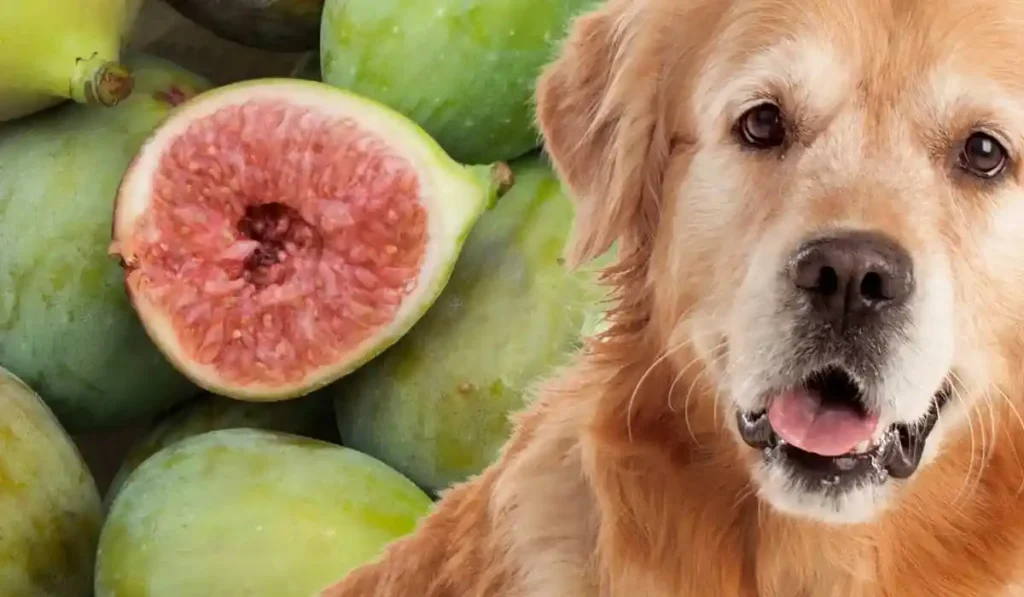
Portion size depends on your dog’s size, weight, and overall health status. A small dog should receive only a tiny piece roughly the size of a thumbnail, while larger breeds might handle half a fig or one small whole fig. The key principle is that figs should never constitute more than a tiny fraction of your dog’s daily caloric intake. Treats of any kind should make up no more than ten percent of your dog’s diet according to veterinary nutrition guidelines.
Portion Calculator by Weight Category
| Dog Weight | Maximum Portion | Frequency | Visual Equivalent |
|---|---|---|---|
| Under 10 lbs | 1 small piece (thumbnail size) | Once per month | Quarter of a fig |
| 10-25 lbs | Half a small fig | Once every two weeks | Half of a fig |
| 25-50 lbs | One small fig | Once per week | One small fig |
| 50-75 lbs | One medium fig | Once per week | One medium fig |
| Over 75 lbs | One to two figs | Once per week | One large fig |
Frequency matters as much as portion size. Offering figs once a week or less is considered occasional, which is the appropriate approach for this type of treat. More frequent serving increases sugar-related health risks and prevents your dog from benefiting from dietary variety. Rotating between different safe fruits provides broader nutritional coverage while preventing overconsumption of any single food.
Figs offer several nutritional advantages when served appropriately. The fiber content supports digestive health by promoting regular bowel movements and feeding beneficial gut bacteria. Dogs struggling with constipation may benefit from the natural laxative effect of ripe figs, though this should not replace veterinary-approved treatments for chronic issues.
Antioxidants present in figs help combat oxidative stress in your dog’s body, supporting immune function and cellular health. While amounts are small compared to other fruits like blueberries, they still contribute to dietary variety. The potassium in figs supports healthy muscle and nerve function, which is important for active dogs.
The primary concerns with feeding figs to dogs involve sugar content and digestive sensitivity. Natural sugars in figs can contribute to weight gain with frequent consumption. Dogs with diabetes or prediabetic conditions should avoid figs entirely unless approved by a veterinarian. Even healthy dogs can experience blood sugar spikes from high-sugar treats.
Gastrointestinal upset represents the most common negative reaction to figs in dogs. The combination of fiber and natural sugars can overwhelm a sensitive stomach, resulting in diarrhea, vomiting, or painful gas. Introducing figs slowly and in tiny amounts helps your dog’s system adjust, but some dogs may never tolerate this fruit well regardless of preparation method.
Safe preparation involves steps that should never be skipped. Always wash figs thoroughly under running water to remove surface contaminants, pesticides, or dirt. Even organic figs may carry bacteria from handling or environmental exposure.
Removing the stem is critical, as fig stems pose choking hazards and may contain compounds that irritate your dog’s digestive system. The stem is woody and difficult to chew, making it dangerous for dogs that gulp food without adequate chewing. Cut the fig into small, manageable pieces appropriate for your dog’s size. Small dogs need smaller pieces to prevent choking.
Seeds in figs are generally small and soft enough that they do not pose the same dangers as cherry pits or avocado seeds, but removing them provides an extra safety margin. Some dogs may have difficulty digesting seeds. Serve the prepared fig plain, without added sugar, sauces, or accompaniments.
Step-by-Step Preparation Guide
Figs grow on Ficus carica trees and rank among the oldest cultivated fruits in human history. These teardrop-shaped fruits have a soft, chewy exterior and a jammy interior filled with small seeds. Fresh figs are highly perishable with a short shelf life, which is why many people encounter them primarily in dried form.
The fruit is technically a syconium, meaning it develops from an inverted flower structure. This unique botanical characteristic explains the interior texture and seed arrangement. Figs grow in warm climates and are harvested in late summer through early fall in most regions.
Certain fruits pose serious health risks that every dog owner must understand. Grapes and raisins can cause acute kidney failure in dogs, even in small amounts. This toxicity affects all breeds and requires immediate veterinary attention if exposure occurs. Cherries present danger from their pits, stems, and leaves, which contain cyanide compounds that are poisonous to dogs.
Safe vs. Unsafe Fruits Comparison
| Fruit | Toxicity Level | Dangerous Parts | Safe Amount |
|---|---|---|---|
| Grapes | High | All parts | None – avoid completely |
| Raisins | High | All parts | None – avoid completely |
| Cherries | High | Pits, stems, leaves | Flesh only, pit removed |
| Avocado | Moderate | Pits, skin, leaves | Flesh in tiny amounts |
| Figs | Low | Stems | Small amounts occasionally |
| Blueberries | None | None | Moderate amounts |
| Apples | None | Seeds, core | Flesh only in moderation |
Avocados contain persin, which can cause vomiting and diarrhea in dogs. Citrus fruits can cause stomach upset due to high acidity, though small amounts of the flesh are generally not toxic. Onions, garlic, and chives are toxic to dogs and should never be offered.
Blueberries offer excellent nutritional value with antioxidants and vitamins while being low in sugar. Apples provide fiber and vitamin C when seeds and core are removed, making them a safe crunchy treat option. Bananas deliver potassium and are gentle on the stomach, though their high sugar content means portions should stay small.
Comprehensive Fruit Comparison for Dogs
| Fruit | Sugar Level | Key Nutrients | Recommended Portion | Best For |
|---|---|---|---|---|
| Blueberries | Low | Antioxidants, Vitamin C | 2-5 berries | Training treats |
| Apples | Low-Moderate | Fiber, Vitamin C | 1-2 slices | Dental health |
| Bananas | Moderate | Potassium, Vitamin B6 | 2-3 small pieces | Energy boost |
| Watermelon | Low | Hydration, Vitamin A | 1 cup per 25 lbs | Summer hydration |
| Strawberries | Moderate | Fiber, Vitamin C | 1-2 small pieces | Dental enzymes |
| Figs | Moderate | Fiber, Potassium | See portion table | Occasional treat |
Watermelon, with seeds removed, provides hydration and vitamins in a low-calorie package. Strawberries contain enzymes that benefit dental health and offer vitamin C. These alternatives give plenty of safe options for treating your dog without the concerns associated with figs.
Rotating between different safe fruits keeps your dog’s diet interesting while preventing overconsumption of any single food’s sugars or compounds. Variety ensures broader nutritional coverage as each fruit brings different vitamins, minerals, and antioxidants to your dog’s diet.
Puppies have developing digestive systems that require extra caution when introducing new foods. A three-month-old puppy should not consume figs unless specifically approved by your veterinarian. Their systems are still maturing and may react more strongly to new foods than adult dogs. The immune system in young puppies is also developing, making it harder to handle potential pathogens or allergens.
Young puppies require carefully balanced nutrition designed for growth and development. Introducing human foods risks disrupting this balance and could cause digestive upset, allergic reactions, or create preferences for treats over balanced puppy food. If you want to offer fruit treats to a growing puppy, discuss safe options with your veterinarian first.
Fallen figs present multiple concerns that pet owners should address promptly. Fermentation begins quickly once figs drop from the tree, especially in warm weather. Even a few hours on the ground can cause figs to develop alcohol content and bacteria that are harmful to dogs. Eating fermented fruit can cause alcohol poisoning in dogs, with symptoms including vomiting, disorientation, and difficulty breathing.
The leaves and sap of fig trees contain compounds that can irritate a dog’s mouth, throat, and digestive system. Ficus irritants cause oral irritation, excessive drooling, and difficulty swallowing. If your dog has access to fig trees, preventing access to fallen fruit and limiting their ability to reach lower branches eliminates these risks.
Regular cleanup of fallen fruit prevents accumulation and removes temptation. Training your dog to avoid certain areas of the yard reinforces boundaries, though supervision remains important. If your dog has consumed fallen figs, monitor them closely for signs of fermentation-related illness and contact your veterinarian if symptoms develop.

Dogs can eat figs in very small amounts as an occasional treat, but they are not an ideal food for regular consumption. The natural sugars and potential digestive upset mean that safer fruit alternatives like blueberries or apple slices are generally better choices. Always introduce any new food slowly and watch for adverse reactions, particularly if your dog has never eaten figs before.
A safe portion is generally one small fig or less, depending on your dog’s size. Very small dogs should only have a piece the size of a thumbnail, while larger dogs might handle half a fig. Space any fig consumption at least a week apart to keep it truly occasional. When in doubt, offer less rather than more.