
You reach for a cucumber to slice into your salad, and your dog tilts their head with that look. Is it safe to share? I have asked this question in my own kitchen more times than I can count. The answer is yes, dogs can eat cucumbers safely. But how you prepare them, how much you serve, and which variety you choose all matter. This guide covers everything from puppies to French Bulldogs so that you can treat your dog without worry.

Yes, dogs can eat cucumbers. I feed them to my own dogs as a low-calorie treat, especially during warmer months when hydration matters most. Cucumbers are roughly 96 percent water, which makes them refreshing and light. They contain almost no fat and very few calories. A half-cup of sliced cucumber has about 8 calories, making it one of the leanest treat options available.
That said, cucumbers should remain a snack, not a meal replacement. I treat them as an occasional reward, not a dietary staple. Portion control matters because even healthy foods can cause digestive upset when fed in excess. The high water and fiber content, while beneficial in moderation, can trigger loose stools or bloating if you overdo it.
Start with a single thin slice and observe your dog for 24 hours. Every dog reacts differently. Some tolerate cucumbers without issue. Others, especially those with sensitive stomachs, may need smaller portions or peeled slices. This approach has worked for me across multiple dogs, but your veterinarian knows your pet best.
Puppies can eat cucumbers, but their digestive systems are still developing. I introduce cucumbers more cautiously with puppies than with adult dogs. Start with a piece no larger than your pinky fingernail. Watch for any signs of digestive discomfort over the next 24 hours before offering more.
Choking is a real concern with puppies. They tend to gulp food without chewing properly. Always slice cucumbers into thin, flat rounds and then quarter those rounds into bite-sized pieces. Never toss a whole baby cucumber or thick chunk into a puppy’s bowl. Supervision during feeding is non-negotiable.
Puppy digestive systems process fiber differently from adult dogs. What passes comfortably through a mature gut may cause loose stool in a puppy. If you notice any soft bowel movements after introducing cucumber, pause for a few days and try again with a smaller amount. I also recommend consulting your veterinarian before adding any new food to a puppy’s diet, especially if your puppy has a history of gastrointestinal sensitivity.
French Bulldogs can eat cucumber, but their flat faces create unique challenges. As a brachycephalic breed, Frenchies have compressed airways and a shortened snout that makes chewing and swallowing different from longer-snouted dogs. I have worked with Frenchie owners who report that their dogs struggle more with crunchy, cylindrical foods than softer treats.
Portion sizing for French Bulldogs must be smaller than for similarly weighted dogs with longer muzzles. A French Bulldog weighing 22 pounds should receive thinner, flatter slices than a Beagle of the same weight. I recommend cutting the cucumber into thin, coin-sized rounds and then halving those rounds. This reduces the risk of a piece getting lodged in the back of the throat.
Watch for digestive reactions closely. French Bulldogs are prone to food sensitivities and flatulence. Cucumber’s fiber content, while mild, can trigger gas or bloating in sensitive individuals. I suggest starting with one small piece and waiting a full day before offering more. If your Frenchie shows any sign of discomfort, labored breathing after eating, or excessive gassiness, discontinue the cucumber and stick to treats you know they tolerate well.

Yes, dogs can eat cucumber skin. The peel contains a meaningful portion of the cucumber’s fiber and some of its vitamins. I leave the skin on for my own dogs because they handle it without issue, and the extra crunch seems to satisfy their chewing instinct.
However, cucumber skin is not for every dog. The fiber in the peel can be harder to break down than the flesh. For dogs with sensitive stomachs, older dogs, or breeds prone to digestive upset, I recommend peeling the cucumber first. Removing the skin reduces the fiber load significantly while still providing hydration and a satisfying texture.
Washing cucumbers before serving is not optional. Conventionally grown cucumbers may carry pesticide residues, wax coatings, or surface bacteria. I scrub every cucumber under running water for at least 30 seconds before slicing, even if I plan to peel it. Cutting through unwashed skin can drag contaminants onto the flesh. Organic cucumbers reduce pesticide exposure but still need washing to remove dirt and bacteria.
If you notice your dog vomiting or passing undigested cucumber skin in their stool, that is a sign their system is not breaking down the peel efficiently. Switch to peeled slices and see if the issue resolves.
I follow a simple four-step process every time I prepare cucumbers for my dogs. It takes less than two minutes and eliminates most risks.
Step 1: Wash thoroughly. Rinse the cucumber under cool running water. Use your hands to rub the surface. Do not skip this step, even for organic or homegrown cucumbers.
Step 2: Decide on peeling. Leave the skin on for healthy adult dogs with no history of digestive sensitivity. Peel for puppies, seniors, or dogs with sensitive stomachs.
Step 3: Slice into appropriate sizes. Cut the cucumber into thin rounds, then quarter those rounds. For large breeds, half-rounds may suffice. For small breeds and French Bulldogs, go smaller—a good rule: each piece should be small enough that swallowing it whole would not cause choking.
Step 4: Serve plain and at room temperature or chilled. Never add salt, oil, dressing, or seasoning. Plain cucumber only.
Creative serving ideas I use: On hot summer days, I freeze thin cucumber slices for about 30 minutes before serving. The chilled texture provides relief and encourages hydration. You can also mix a few cucumber pieces into a puzzle toy or snuffle mat to make treat time more engaging.
Yes, dogs can eat cucumber seeds in most cases. The soft, immature seeds found in typical grocery-store cucumbers pose minimal risk. These seeds are small, tender, and easily digestible. I do not remove them when preparing cucumbers for my dogs.
The situation changes with large, mature seeds. If you are harvesting cucumbers from a garden or buying overgrown specimens at a farmers’ market, the seeds may be larger, harder, and more fibrous. These tougher seeds can present a mild choking risk, particularly for small dogs. In these cases, I scoop out the seed mass with a spoon before slicing.
Seed removal also makes sense for dogs with a history of digestive sensitivity. While cucumber seeds are not toxic, any indigestible plant matter can irritate an already sensitive gut. If your dog has inflammatory bowel disease, chronic pancreatitis, or recurring digestive issues, seed-free cucumber slices offer a gentler option.
Table 1: Seed Safety Decision Guide
| Dog Type | Seed Guidance | Reason |
|---|---|---|
| Healthy adult, any size | Soft seeds OK; remove large mature seeds | Soft seeds digest easily; large seeds pose choking risk |
| Puppy under 6 months | Remove all seeds | Developing digestive system; extra caution warranted |
| Senior dog with dental issues | Remove all seeds | Reduced chewing ability increases choking risk |
| Dog with GI sensitivity | Remove all seeds | Seeds add unnecessary fiber load |
| Brachycephalic breed | Remove all seeds | Narrow airway increases choking consequence |
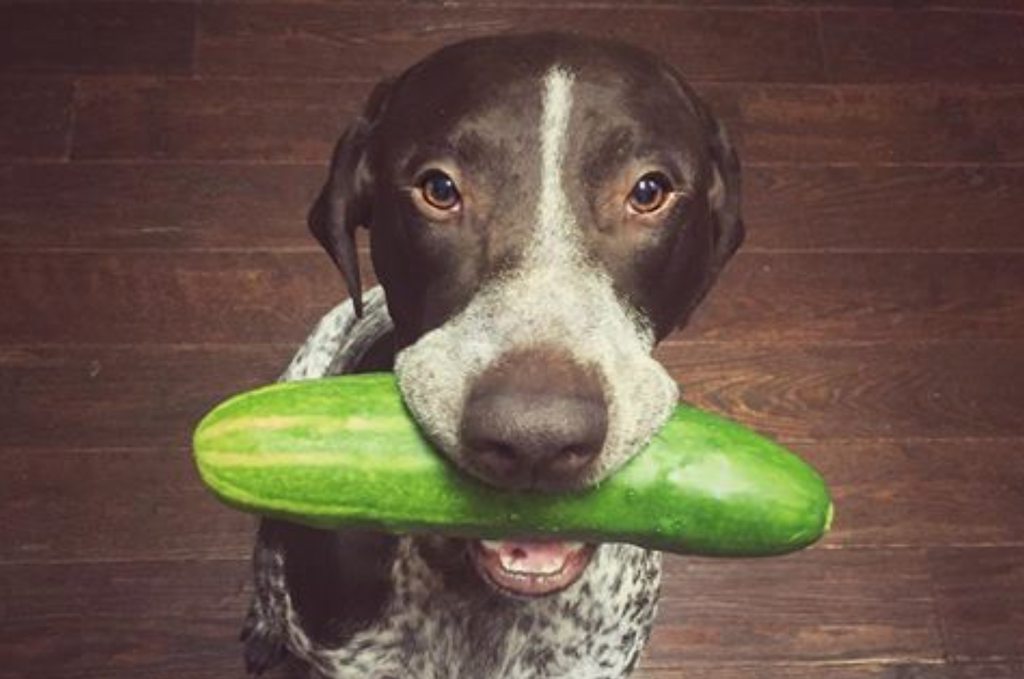
English, Persian, and mini cucumbers are all safe. I actually prefer English and Persian varieties for my dogs because they offer practical advantages over standard garden cucumbers.
Table 2: Cucumber Variety Comparison For Dogs
| Variety | Skin | Seeds | Best For |
|---|---|---|---|
| English (Hothouse) | Thin, tender | Very few, soft | All dogs, especially skin-sensitive |
| Persian | Thin, mild | Minimal, soft | Small dogs, puppies, convenient serving |
| Mini (Snack) | Thin, edible | Soft, small | Training treats, frozen snacks |
| Garden (Standard) | Thicker, may be waxed | More developed | Adult dogs; consider peeling |
The same preparation rules apply across all varieties: wash thoroughly, slice appropriately, serve plain. No cucumber variety is toxic to dogs when properly prepared.
I follow the ten percent treat rule. All treats combined, including cucumber, should make up no more than ten percent of daily caloric intake. The remaining ninety percent must come from nutritionally complete dog food.
Cucumber is so low-calorie that volume, not calories, usually becomes the limiting factor. A 50-pound dog could technically eat several cups without hitting the calorie cap. But that volume would almost certainly cause digestive upset. I cap servings well below what the math allows.
Table 3: Cucumber Portion Guidelines By Dog Weight
| Dog Weight | Max Per Serving | Max Per Week |
|---|---|---|
| Under 10 lbs | 1 to 2 thin quarter-slices | 2 to 3 times |
| 10 to 25 lbs | 2 to 4 thin quarter-slices | 3 to 4 times |
| 25 to 50 lbs | 4 to 6 slices (quartered) | 3 to 5 times |
| 50 to 90 lbs | 6 to 8 slices (halved or quartered) | 4 to 5 times |
| Over 90 lbs | 8 to 10 slices | 4 to 5 times |
These are starting points, not rigid rules. I adjust based on how each dog responds. A Labrador may handle more than a sensitive Border Collie of the same weight. Space cucumber servings at least one day apart to let the digestive system reset.
Too much cucumber causes digestive distress, not toxicity. The water and fiber that make it healthy in moderation become problematic in excess.
Common symptoms include loose stools, gurgling stomach sounds, bloating, and temporary appetite loss. These typically resolve within 24 hours. Withhold food for 12 hours, provide plenty of fresh water, and reintroduce a bland diet slowly.
Table 4: Overconsumption Symptoms And Response
| Symptom | Immediate Action | When To Call A Vet |
|---|---|---|
| Loose stool (1 to 2 episodes) | Withhold treats; monitor | If persistent beyond 24 hours |
| Watery diarrhea (3+ episodes) | Fast 12 hours; bland meals | If with lethargy or vomiting |
| Bloating or gas | Gentle belly massage; restrict activity | If belly is hard or painful |
| Vomiting | Withhold food; small sips of water | If repeated or contains blood |
Contact a veterinarian if symptoms last beyond 24 hours, if your dog becomes lethargic, or if you see blood in stool or vomit. I never hesitate to make that call.
Yes, diabetic dogs can eat cucumbers. Cucumbers have a very low glycemic index and contain roughly 1.5 grams of natural sugar per half-cup. The minimal carbohydrate load makes cucumber a good alternative to higher-sugar treats.
Cucumber is not a therapeutic food. It does not treat diabetes. It simply provides a safe, crunchy snack without spiking blood glucose. Always consult the veterinarian managing your dog’s diabetes before introducing a cucumber. Diabetic dogs follow strict feeding schedules. Even a low-sugar treat can disrupt that balance if introduced at the wrong time or in the wrong amount.
Cucumbers provide a mild mechanical cleaning effect when your dog crunches through a slice. The firm texture rubs against tooth surfaces and can dislodge small food particles. But cucumbers are not a substitute for proper dental care. They lack the abrasive texture and enzymatic properties of veterinary dental chews. They cannot scrape tartar below the gumline.
For genuine oral health, rely on vet-approved dental chews, regular brushing with dog-specific toothpaste, and annual professional cleanings. Ask your vet about products with the Veterinary Oral Health Council seal.
Yes, cucumbers are good for dogs when served correctly. I consider them one of the safest human foods to share.
Hydration is the standout benefit. At roughly 96 percent water, cucumbers help keep dogs hydrated during hot weather or after light exercise. This matters for dogs that drink little on their own or seniors needing help maintaining fluids.
Nutritionally, cucumbers offer modest amounts of vitamin K, vitamin C, potassium, and magnesium. The amounts are small. A few slices will not meaningfully shift your dog’s nutritional profile. The real value lies in what cucumber replaces. Every cucumber slice is a high-fat commercial treat not consumed. For overweight dogs, this substitution alone makes cucumber worthwhile.

Dogs can drink cucumber-infused water if it contains nothing but water and cucumber. I occasionally drop slices into my dogs’ water bowl on hot days to encourage drinking.
Plain fresh water must remain the primary hydration source. Never add sweeteners, citrus, or electrolyte powders. Many human water enhancers contain xylitol, which is extremely toxic to dogs. Change infused water within a few hours. Sitting water with vegetable matter can grow bacteria in warm weather.
No, dogs should not eat pickles. A single dill pickle spear can pack 300 to 400 milligrams of sodium. Pickle brine often contains garlic, onion, or onion powder, all toxic to dogs and capable of damaging red blood cells.
If your dog snatches a small piece off the floor, a single bite is unlikely to cause harm. But never offer pickles intentionally. Stick to a fresh, raw cucumber prepared plainly.
Yes, dogs can eat zucchini. Both are low-calorie, high-water vegetables. I use the same method for both: wash, slice, serve raw or lightly steamed without seasoning.
Zucchini offers slightly more vitamin A; cucumber provides more vitamin K. Neither difference matters for treats. The real distinction is texture. Zucchini has a softer crunch. Some dogs prefer one over the other. The same safety rules apply: no salt, no oil, no garlic, no onion. Rotating between cucumber and zucchini adds variety without adding risk.

Not daily, and here is why. Cucumber is safe enough for several servings per week, but daily feeding can accumulate fiber in ways your dog may not tolerate. What works on Monday may cause loose stool by Friday. I limit cucumber to two to four times per week depending on size and sensitivity. Alternating cucumber with other safe vegetables like green beans prevents any single food from dominating the treat portion of the diet.
Yes, with veterinary approval. Cucumbers are among the lowest-calorie, lowest-sugar snacks available. A diabetic dog on a managed diet can usually enjoy cucumber without disrupting blood glucose. Never introduce any new food without discussing it with the veterinarian overseeing the treatment plan. Insulin timing, meal composition, and individual glucose response all factor into whether cucumber fits.