
Holiday tables often feature glazed ham as a centerpiece. It smells irresistible to humans and even more so to dogs begging at the table. Many owners wonder if sharing a small piece is a harmless treat or a hidden danger. The scent of salty meat can trigger intense begging behavior from your pet. However, giving in to those puppy eyes could lead to serious health complications. This guide explains the risks clearly so you can protect your dog.
We will cover sodium levels, fat content, and safe alternatives. You will learn exactly what happens if your dog eats ham. We also provide steps to take if accidental consumption occurs. Our goal is to help you make safe feeding decisions.
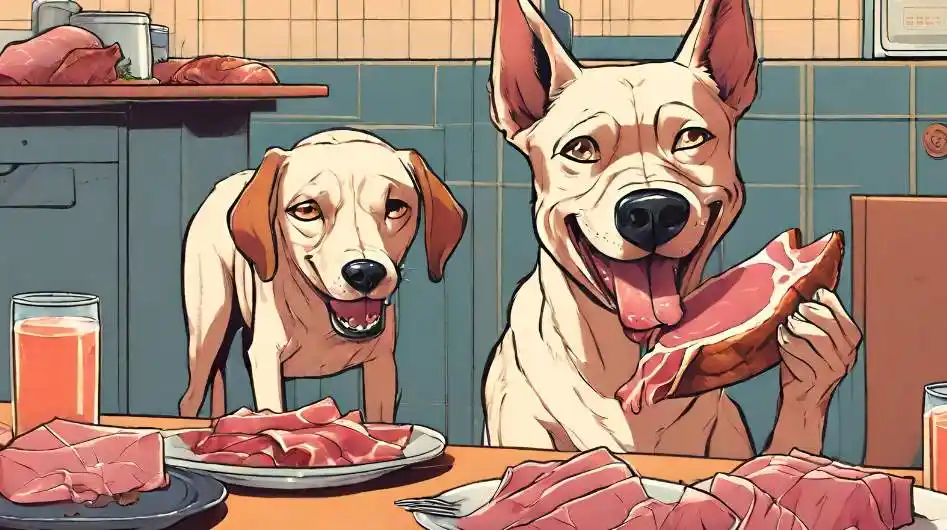
Can dogs eat ham safely in any amount? The short answer is no. Ham is not technically toxic like chocolate or grapes. However, it is heavily processed and loaded with preservatives. A tiny nibble might not cause immediate harm to a large healthy dog. Regular feeding or large portions pose significant health risks.
The primary concern is the curing process. Ham contains high levels of sodium nitrate and salt. These chemicals preserve the meat but strain canine kidneys. Fat content is another major issue. High fat intake can inflame the pancreas. This condition is painful and requires veterinary care.
Owners should distinguish between an accidental drop and intentional feeding. One small cube may pass without issue. Making it a habit introduces cumulative health problems. Always prioritize your dog’s long-term wellness over a momentary treat.
Is ham safe for dogs under specific conditions? Safety depends on preparation and portion size. Plain cooked ham without glaze is less risky than sugary varieties. Yet the inherent salt content remains a problem. Safe feeding implies no negative health consequences. Ham rarely meets this standard for canines.
Seasoning adds another layer of danger. Garlic and onion powder are common in ham glazes. These ingredients are toxic to dogs. Even without them, the salt concentration is too high. A safe treat should not disrupt electrolyte balance. Ham disrupts this balance frequently.
Compare ham to lean proteins like chicken. Chicken provides protein without excessive sodium. Ham offers poor nutritional value relative to its risks. Veterinarians generally advise against it. Choosing safer options eliminates unnecessary risk entirely.
Is ham good for dogs nutritionally? It provides protein but lacks balanced nutrients. The high fat and sodium profile outweighs the protein benefit. Dogs require specific ratios of nutrients for health. Ham does not meet these balanced canine dietary standards.
High protein does not automatically equal a healthy treat. The source and processing matter significantly. Processed meats contain compounds linked to inflammation. Long-term consumption of processed meat affects organ function. It can contribute to obesity and heart issues over time.
Feeding ham regularly creates poor dietary habits. Dogs may begin to reject their balanced kibble. This leads to nutritional deficiencies. The temporary satisfaction is not worth the health trade-off. Stick to treats designed for canine biology.

Is ham bad for dogs overall? Yes, due to processed meat effects on digestion. It often causes gastrointestinal upset in sensitive animals. Risks include obesity and severe dehydration. Veterinarians typically discourage feeding ham for these reasons.
Occasional exposure differs from habitual feeding. A single piece might cause only mild thirst. Habitual feeding leads to chronic health conditions. Sodium accumulation stresses the cardiovascular system. Fat accumulation leads to weight gain.
Distinguish between a holiday accident and a routine. Accidents happen and usually resolve with monitoring. Routine feeding invites preventable disease. Protect your dog by keeping ham off their plate.
Why is ham bad for dogs specifically? Sodium concentration strains the kidneys and heart. Dogs require far less salt than humans. Excess salt leads to sodium ion poisoning in severe cases. High fat levels trigger pancreatitis risk. This condition causes severe abdominal pain and vomiting.
Curing agents and preservatives impact canine health negatively. Nitrates are linked to cellular damage over time. These chemicals are necessary for human shelf life but harmful to dogs. Their digestive systems cannot process these additives efficiently. Avoiding these compounds supports better long-term health.
Can dogs eat cooked ham without risk? Cooking changes texture but not chemical composition. Plain cooked ham is still high in salt. Glazed or seasoned ham introduces sugar and toxins. Cooking does not reduce the sodium content significantly.
Even cooked ham may still be unsuitable due to salt content. The curing process happens before cooking. Heat does not remove the embedded sodium crystals. A plain slice is better than a glazed one. Yet neither is recommended for regular consumption.
Focus on unseasoned meats for safety. If you must share, ensure it is plain. Remove all visible fat before offering a piece. Keep the portion smaller than a fingernail. Better yet, choose a dedicated dog treat instead.

Can puppies eat ham safely? No, puppies have more sensitive digestive systems. Their organs are still developing and maturing. Sodium impacts small developing bodies more severely. A amount that is safe for an adult may harm a puppy.
Early diet habits influence long-term health significantly. Introducing salty foods early skews taste preferences. Puppies may become picky eaters later in life. Their kidneys cannot handle high salt loads efficiently. Dehydration occurs faster in younger dogs.
Protect their development with appropriate nutrition. Puppy food is formulated for growth needs. Ham offers empty calories and harmful additives. Stick to puppy-specific treats during training. This ensures proper growth without unnecessary risks.
Are ham bones safe for dogs to chew? No, leftover holiday ham bones are dangerous. Structural differences exist between raw and cooked bones. Cooked bones become brittle and dry. They splinter easily when chewed by dogs.
Splintering risks lead to internal injury concerns. Sharp shards can puncture the stomach or intestines. This requires emergency surgery to repair. Choking hazards are also prevalent with hard bones. Dental fractures occur when dogs bite too hard.
Never give cooked bones from table scraps. Raw bones carry bacterial risks but are less brittle. Even then, supervision is required. The safest option is a veterinary-approved chew toy. These provide dental benefits without the injury risk.
How much ham can I give my dog safely? Guidance suggests a tiny taste versus a serving. A serving implies nutritional value. A taste is purely ceremonial. Size, breed, and health condition matter significantly.
Ham should never replace balanced dog food. Treats must remain under ten percent of daily calories. For a large dog, a cube smaller than an inch is the limit. For a small dog, even less is advisable. Many vets recommend zero amounts for safety.
Consider the individual health of your pet. Dogs with kidney issues cannot handle any extra salt. Overweight dogs should avoid high fat treats entirely. Always calculate the calorie cost of the treat. Adjust their main meal if you give a treat.
Is two slices of ham a day bad for a dog? Yes, this breaks down to a high sodium load. Two slices contain far more salt than a dog needs daily. Cumulative health impact of daily processed meat is negative. It leads to chronic dehydration and kidney stress.
Repeated small portions become a problem over time. Sodium accumulates in the body tissues. Blood pressure rises as a result. Pancreatitis risk increases with daily fat intake. This habit creates a pathway for serious disease.
Limit treats to occasional events only. Daily feeding changes the treat into a meal component. This disrupts nutritional balance completely. Reserve ham for rare special occasions if at all. Better yet, save it entirely for human consumption.
What to do if your dog eats ham accidentally? Provide calm, step-by-step guidance for owners. Panic helps neither you nor the dog. Assess the quantity consumed immediately. Was it a scrap or a whole slice?
Observation at home is appropriate for small amounts. Ensure fresh water is available at all times. Monitor their behavior for the next twenty four hours. Watch for signs of stomach discomfort or lethargy.
Immediate veterinary care is necessary for large quantities. Contact your vet if the dog is small or sick. They may induce vomiting if ingestion was recent. Follow professional advice rather than home remedies. Quick action prevents complications from becoming severe.
What symptoms to watch for if your dog eats ham? List signs such as vomiting, diarrhea, lethargy, and excessive thirst. These indicate gastrointestinal distress or salt imbalance. Symptoms of salt poisoning include confusion and tremors. Warning signs of pancreatitis include a hunched back and pain.
Table 1: Symptom Watchlist
| Symptom | Severity | Action Required |
|---|---|---|
| Mild Thirst | Low | Provide Water |
| Vomiting | Medium | Monitor Closely |
| Diarrhea | Medium | Withhold Food Briefly |
| Lethargy | High | Contact Vet |
| Tremors | Critical | Emergency Care |
Use this table to assess urgency. Mild symptoms often resolve with hydration. Severe symptoms require professional intervention. Do not wait if your dog seems in pain. Early treatment improves recovery outcomes significantly.

When to contact your veterinarian for advice? Explain risk thresholds such as large quantity consumed. Discuss factors like small breed size or preexisting conditions. Emphasize urgency if severe symptoms appear.
Small dogs face higher risks from the same amount. A Great Dane might handle a slice better than a Chihuahua. Preexisting kidney or heart conditions lower the threshold. Any sign of blood in stool warrants a call. Persistent vomiting beyond twelve hours needs attention.
Your vet knows your dog’s specific health history. They can advise based on weight and age. Do not hesitate to call for peace of mind. It is better to be safe than sorry with pet health. Professional guidance prevents costly emergencies later.
What are potential safer alternatives to ham for treats? Suggest lean, plain-cooked chicken or turkey without seasoning. These provide protein without the curing chemicals. Discuss small portions of unseasoned beef as occasional treats. Mention veterinarian-approved commercial treats for convenience.
Table 2: Safe Protein Alternatives
| Protein Source | Preparation | Risk Level |
|---|---|---|
| Chicken Breast | Boiled Plain | Low |
| Turkey | Roasted Plain | Low |
| Beef | Lean Cooked | Low |
| Commercial Treats | Vet Approved | Low |
Select options that match your dog’s dietary needs. Always introduce new foods gradually. Monitor for any allergic reactions. These alternatives satisfy the desire for meat safely.
Selling Point – Encourage readers to explore our carefully selected healthy dog treat options designed for balanced nutrition and safe indulgence. Our treats are formulated to meet canine nutritional standards. They provide peace of mind for loving owners.
Are French Bulldogs and German Shepherds allowed to have ham? Breed size affects tolerance but does not change nutritional risk. French Bulldogs are more sensitive to salt concentration. German Shepherds may handle volume better but still face risks. Dietary guidelines apply broadly across breeds.
Small breeds have less body mass to dilute sodium. Large breeds might avoid immediate toxicity but risk pancreatitis. Both breeds suffer from processed food long term. Do not assume size grants immunity to health issues.
Apply the same caution regardless of breed. Specific sensitivities vary by individual dog. Some French Bulldogs have sensitive stomachs generally. Some German Shepherds have grain or meat allergies. Know your specific dog before offering human food.

Can dogs eat ham safely in any context? Generally no. The risks outweigh the benefits in almost all cases. Occasional tiny scraps may not cause harm. Safe feeding is not guaranteed due to processing.
What makes ham unsafe for dogs primarily? High sodium and fat content are the main factors. Preservatives and potential toxic seasonings add risk. These elements strain canine digestive and renal systems.