
Quick Answer: A Maltese dog is a small toy companion breed known for its white silky coat, affectionate nature, low visible shedding, and high grooming needs. I would only recommend one if you want a close indoor companion and can commit to brushing, training, dental care, and regular grooming costs.
If you are choosing a Maltese dog because it looks cute and compact, pause for a moment. The real question is not “Is it adorable?” It is “Can I live with the care routine?” I use a simple three-part test: grooming time, daily companionship, and budget. If all three fit your lifestyle, this breed can be a loyal, bright, and deeply affectionate small dog.

The Maltese dog is a small toy breed developed mainly for companionship. It belongs in the toy group because of its compact size, fine frame, and people-focused purpose. I see the breed as a “high-contact” companion, meaning it usually wants to be near its owner rather than left to entertain itself for hours.
Its most recognisable feature is the straight white coat. Many photos show a long, flowing coat, but most pet homes choose a shorter puppy cut because it is easier to maintain. That choice alone can change your weekly care time from a serious brushing routine to a more manageable one.
Here is my practical rule: if you want the long coat, plan for daily coat checks; if you want lower stress, choose the puppy cut. That does not remove grooming, but it reduces matting risk.
| Trait | Typical Maltese Profile | Owner Impact |
|---|---|---|
| Breed Group | Toy Companion | Best for indoor homes |
| Coat | White, Silky, Long-Growing | Needs routine grooming |
| Temperament | Affectionate, Alert | Needs daily contact |
| Best Fit | Companion Homes | Poor fit for isolation |
The Maltese dog is linked to the Mediterranean region, especially Malta and nearby trade routes. Small white companion dogs were valued for their beauty, portability, and close bond with people. This history matters because the breed was shaped for companionship, not heavy work.
I would not describe the Maltese as a “decorative only” dog, though. That undersells its alertness. A breed developed around people often becomes very tuned in to movement, voices, and household routine.
For breed classification and appearance, compare your information with the official breed standard. The useful takeaway is simple: its history explains why the modern Maltese usually wants closeness, routine, and indoor comfort.
The Maltese dog is usually affectionate, bright, alert, and people-oriented. In practical terms, many will follow their owner from room to room and react quickly to doorbells, visitors, or unfamiliar sounds.
That can be charming, but it can also become noisy. I would not call barking a “bad Maltese trait.” I would call it an unmanaged alert habit. The difference is training.
Representative Use Case: A remote worker in a small flat may find a Maltese ideal because the dog gets company during the day. The same dog may struggle in a home where everyone leaves for 9 hours and expects quiet independence.
My temperament test is this: if you want a small dog that acts like part of your daily routine, the Maltese can fit. If you want a low-contact dog, it may feel too attached.
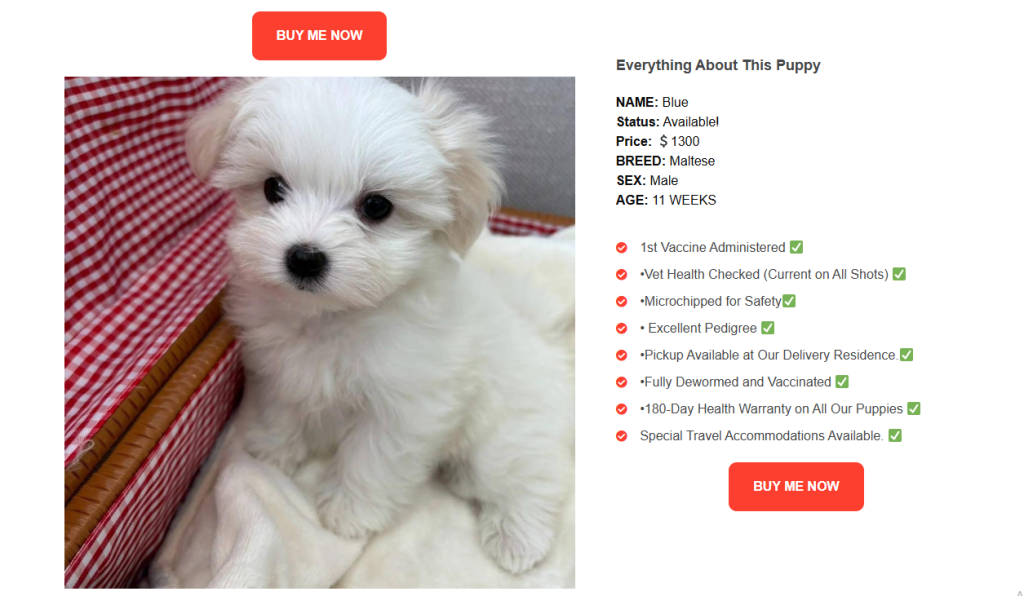
A Maltese dog is small, but size should still be judged carefully. Based on common breed standards, many adult Maltese dogs sit around 20 to 25 cm in height and roughly 3 to 4 kg in weight, though exact figures vary by registry and individual dog.
The number that matters most to owners is body proportion. A 1 kg gain on a 3 kg dog is a major body change, not a small fluctuation. That is why portion control, safe handling, and weight checks matter more with toy breeds than many first-time owners expect.
| Size Factor | Typical Maltese Range | Practical Meaning |
|---|---|---|
| Height | Around 20 To 25 cm | Easy to carry |
| Weight | Around 3 To 4 kg | Weight changes matter |
| Build | Fine And Compact | Avoid rough handling |
| Variation | Genetics And Diet | Avoid extreme sizing |
Be cautious with “teacup Maltese” claims. I treat that as a marketing term, not a separate official breed. Extremely tiny dogs may look appealing, but they can come with greater care risks.
The Maltese dog was bred mainly as a companion. It was not developed as a herding, hunting, or guarding breed. That original purpose still shows in how closely many Maltese dogs bond with people.
This is where many owners make the wrong assumption. They think small size means low responsibility. I see it differently: a toy companion dog often needs more emotional management, not less.
A Maltese may need help learning calm independence, polite greetings, grooming tolerance, and quiet behaviour. These are not optional “extras.” They are the skills that make a small companion dog easy to live with.
A Maltese dog is often called hypoallergenic, but that does not mean allergy-free. It usually means the breed may shed less visible hair and may spread fewer loose hairs around the home.
The coat is single, silky, and long-growing, so loose hair often stays trapped in the coat until brushed out. The catch is that allergens can also come from dander, saliva, and urine. Hair is only one part of the issue.
My practical advice is simple: spend at least 30 to 60 minutes around Maltese dogs before committing if allergies are a concern. If symptoms are serious, ask a qualified medical professional before bringing any dog home.

The Maltese dog usually sheds lightly compared with many breeds. You may see less hair on furniture, clothing, and floors, but that does not make the coat maintenance-free.
The tradeoff is matting. Hair that does not fall out easily can stay in the coat, twist, and tighten. I pay closest attention to five matting zones: behind the ears, under the legs, around the collar area, near the tail, and between the paw pads.
What To Look For During Grooming
A well cared for Maltese dog often lives into its early to mid-teens, but lifespan depends on genetics, weight, dental health, daily movement, and veterinary care. I would focus less on chasing a number and more on protecting comfort over time.
Dental health deserves special attention. Toy breeds can be prone to dental problems because small mouths can make crowding and plaque control harder. For dental context, review veterinary dental guidance.
My quality-of-life checklist has four points: teeth, weight, mobility, and mood. If those stay stable, an older Maltese is more likely to remain comfortable and engaged.
The average cost of a Maltese dog varies by country, breeder reputation, health screening, age, pedigree, and demand. I would not trust any article that gives one fixed price without explaining what sits behind it.
A better way to budget is to divide costs into three buckets: buying or adoption, first-month setup, and lifetime care. Grooming is the expense many new owners underestimate.
| Cost Area | One-Time Or Ongoing | Why It Matters |
|---|---|---|
| Purchase Or Adoption | One-time | Varies by source |
| Vet Checks | Both | Confirms health |
| Grooming | Ongoing | Core breed cost |
| Food And Treats | Ongoing | Portion control matters |
| Supplies And Toys | Both | Supports enrichment |
Before paying a deposit, use responsible puppy buying guidance and ask for health records, parent information, visit options, and return policies.
Recommended Resource CTA: Explore our curated list of trusted breeder resources to compare ethical Maltese sources with more confidence.
The price of a Maltese dog is usually affected by breeder reputation, health screening, lineage, location, and demand. The cheapest puppy can become the most expensive dog if early care, socialisation, or health checks were poor.
My buyer rule is direct: if the seller makes the process feel rushed, slow down. Ethical breeders usually ask you questions too, because they care where the puppy goes.
| Price Factor | Why It Changes Cost | What To Ask |
|---|---|---|
| Breeder Reputation | Better care costs more | Can I see records? |
| Health Screening | Testing adds cost | What was checked? |
| Location | Demand varies | Is travel safe? |
| Pedigree | May affect pricing | Does it matter for pets? |
The Maltese dog needs regular grooming because its coat can mat quickly. A long coat looks elegant, but I would only recommend it to owners who genuinely enjoy coat care.
A puppy cut is often more practical. It still needs brushing, bathing, eye care, nail trimming, and professional grooming, but it reduces the risk of painful mats.
| Grooming Task | Suggested Rhythm | Practical Note |
|---|---|---|
| Brushing | Often, sometimes daily | Prevents mats |
| Bathing | As needed | Use dog-safe products |
| Eye Cleaning | Regularly | Helps staining control |
| Nail Trimming | Regularly | Prevents discomfort |
The mistake I see in beginner plans is waiting until the coat “looks bad.” With a Maltese, grooming should be preventive. Once mats tighten, brushing becomes uncomfortable and may require clipping.
Common Mistakes To Avoid
The Maltese dog usually responds best to reward-based training. I would avoid harsh correction because sensitive small dogs can become defensive, nervous, or noisier when pressure is too high.
The most useful training plan is short and repeatable. I would use 5-minute sessions for name response, recall, handling, toilet routines, quiet cues, and calm greetings.
Socialisation should include grooming tools, visitors, car travel, gentle handling, household sounds, and short outdoor experiences. The goal is not to overwhelm the dog. The goal is to make normal life feel predictable.
Representative Use Case: For a flat owner, I would prioritise quiet cue training, toilet routine, and puzzle toys. That combination helps reduce barking and boredom without relying on long walks.

The Maltese dog can live well in flats, townhouses, and family homes if it gets companionship and daily enrichment. It does not need a large garden, but it does need a safe indoor routine.
I would not keep a Maltese as an outdoor dog. Its small size, fine coat, and companion background make indoor comfort important. Heat, cold, rough play, and long isolation can all become problems.
| Your Situation | Fit Level | Why |
|---|---|---|
| Small Flat | Often Good | Low space needs |
| Long Workdays Alone | Poor Fit | Needs company |
| Gentle Older Children | Possible Fit | Handling matters |
| Daily Grooming Time | Strong Fit | Coat needs care |
The key question is not house size. It is lifestyle fit. A small dog in a calm, attentive flat can be happier than a small dog ignored in a large house.
A Maltese dog needs moderate daily activity, not intense exercise. Short walks, indoor games, gentle fetch, sniffing time, and puzzle toys usually suit the breed well.
I would rather see two short activity sessions than one overexcited outing. Small dogs can tire quickly, especially in hot weather or when they are young.
Safe Activity Ideas
Toy CTA: Explore our hand-picked collection of safe indoor and outdoor toys designed for small toy breeds like the Maltese dog.
The best nutrition plan for a Maltese dog should match age, activity, body condition, and veterinary advice. Toy breeds need careful portion control because small weight changes have a big effect.
For example, 1 kg gained by a 3 kg Maltese is about one-third of its body weight. That is why I prefer measured meals over guessing from the bowl.
Choose complete food for the correct life stage and use feeding guides as a starting point. Then adjust based on body condition, vet advice, and activity level.
Nutrition Checklist
Consensus And Authoritative Sources: This article uses breed standards, veterinary dental guidance, nutrition guidance, and welfare advice as the core authority base. I recommend reviewing breed claims against recognised kennel standards and health claims with a veterinarian.
Branching Quiz: Is A Maltese Dog Right For Me?
Can I brush or arrange grooming several times a week?
Yes: Go to question 2.
No: Choose a short coat plan or consider a lower-maintenance breed.
Will someone be home for part of most days?
Yes: Go to question 3.
No: A Maltese may struggle with long isolation.
Am I comfortable budgeting for grooming, vet care, food, and supplies?
Yes: Go to question 4.
No: Wait until the budget feels realistic.
Do I want a small indoor companion more than an outdoor adventure dog?
Yes: A Maltese may be a strong match.
No: Consider a sturdier, more active breed.
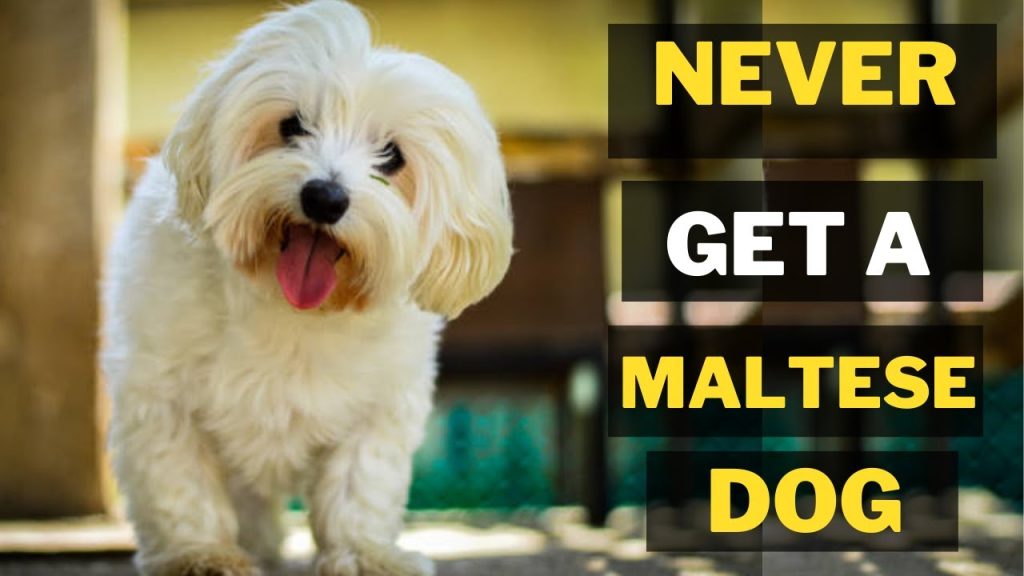
A Maltese dog is usually affectionate, alert, playful, and people-focused. It often enjoys staying close to its owner and may follow family members around the home. With weak socialisation, it can become nervous or barky, so early positive training matters.
Maltese dogs usually shed less visibly than many breeds because loose hair tends to stay in the coat. This does not mean the breed is low-maintenance. Regular brushing is needed to prevent tangles, mats, and skin discomfort.