
Choosing the right food for a Maltese can feel overwhelming given the endless options in the pet aisle. Because Maltese are toy breeds with unique metabolic rates and tiny digestive tracts, a “one size fits all” approach to dog food often leads to picky eating, obesity, or dangerous blood sugar drops. The key is matching the nutrient density and kibble size to your dog’s specific life stage and health needs to ensure long-term vitality.

Maltese dogs require a diet that supports their high metabolism and maintains their signature white coat. While they are not typically known for severe allergies, their small size makes them sensitive to nutritional imbalances. The foundation of their diet should be a complete and balanced small-breed dog food that meets the nutritional levels established by the Association of American Feed Control Officials (AAFCO).
The “best” diet isn’t about the most expensive brand, but the one that provides the correct caloric density. Because a Maltese has a very small stomach, they cannot consume large volumes of low-calorie filler. They need nutrient-dense food that provides energy without filling them up on corn or soy.
Depending on your lifestyle and your dog’s preferences, you have several safe options. Dry kibble is excellent for dental health, while wet food provides essential hydration. Many owners now opt for fresh or freeze-dried diets to mimic a more ancestral diet, provided these are formulated by veterinary nutritionists to be “complete.”
A Note on the “Maltese Metabolism”: Maltese dogs often experience “zoomies” followed by deep crashes. This fluctuation is linked to their glucose processing. Ensuring a consistent feeding schedule is just as important as the food itself to keep their energy levels stable throughout the day.
The best food for a Maltese is one that balances high-quality protein with fats that support skin and coat health. For this breed, the “best” food usually falls into one of the following categories based on the dog’s specific needs:
To help you decide which path to take, use the following decision framework.
Diet Finder: Which Food is Right for Your Maltese?
The following table compares the most common feeding formats to help you weigh the pros and cons.
| Food Format | Primary Benefit | Main Drawback | Best For… |
|---|---|---|---|
| Dry Kibble | Dental plaque reduction | Low hydration | Healthy adults with good teeth |
| Wet/Canned | High palatability/hydration | Faster tartar buildup | Picky eaters and seniors |
| Fresh/Cooked | Maximum nutrient absorption | High cost/prep time | Dogs with severe allergies |
| Freeze-Dried | Convenience + Nutrition | Requires rehydration | Owners wanting raw benefits |
When reading a label, don’t be fooled by “holistic” or “premium” marketing. Look for specific nutritional markers that benefit the Maltese breed.
1. The Protein Source
The first ingredient should be a named meat, such as “Chicken,” “Turkey,” “Salmon,” or “Lamb.” Avoid “Meat Meal” or “Animal Derivatives,” as these are often inconsistent in quality. For Maltese dogs, Omega-3 fatty acids (found in fish oil) are critical. They reduce inflammation in the skin and keep the white coat from becoming brittle or dull.
2. The Kibble Architecture
A Maltese’s jaw is tiny. If the kibble is too large, they may swallow it whole, which can lead to digestive upset or choking. Look for “Toy Breed” or “Small Breed” designations. These pieces are typically 5mm to 8mm in diameter.
3. The Tear Stain Connection
Many Maltese owners struggle with reddish-brown tear stains. While genetics play a role, diet is a major factor. High-sodium foods and artificial dyes (Red 40, Yellow 5) can exacerbate staining. Many owners find that switching to a grain-free or limited-ingredient diet reduces the intensity of these stains by lowering the overall inflammatory response in the body.
4. Ingredients to Avoid
Avoid foods containing BHA, BHT, or Ethoxyquin. These chemical preservatives are linked to long-term health issues. Additionally, steer clear of “corn gluten meal” as a primary ingredient, as it provides empty calories that contribute to obesity without providing essential amino acids.

The first year of a Maltese’s life is a nutritional sprint. They grow rapidly and have very little reserve energy. The primary goal during this stage is supporting skeletal growth without causing the dog to grow too quickly, which can lead to joint instability.
Puppies need a higher concentration of calories, calcium, and phosphorus than adults. However, the most critical aspect of puppy feeding is frequency. Because of their size, Maltese puppies are prone to hypoglycemia (low blood sugar), which can cause seizures or coma if not managed.
The Puppy Transition Plan
Changing food abruptly can cause severe diarrhea in puppies. Use this 10-day schedule:
Use Case: The High-Energy Puppy
Situation: “Luna” is a 4-month-old Maltese who is extremely active, playing for hours and rarely sleeping. Her owner notices she is losing weight despite eating the recommended amount of puppy kibble.
Challenge: Luna’s caloric burn is exceeding her intake, putting her at risk for hypoglycemia.
Action: The owner switches from two meals to four meals daily and adds a teaspoon of plain canned pumpkin and boiled chicken to each meal for extra calories and fiber.
Result: Luna’s weight stabilizes, and her energy levels remain consistent throughout the afternoon without the “crashing” behavior.
At eight weeks, your puppy is transitioning from its mother’s milk to solid food. This is a sensitive period for the digestive system. The best approach is to provide a high-quality small-breed puppy kibble that has been softened.
How to prepare “Puppy Mash”:
Add warm water or puppy-specific milk replacer to the kibble. Let it soak for 10–15 minutes until it reaches a porridge-like consistency. This makes it easier for their baby teeth to handle and ensures they stay hydrated.
Feeding Schedule for 2-Month-Olds:
If your puppy refuses to eat for more than 6–8 hours, this is a veterinary emergency.
Five-week-old puppies are in the “weaning” phase. They are just beginning to explore solids but still rely heavily on milk. If you are fostering or breeding, this stage requires extreme patience.
Start by offering a “slurry.” Mix a small amount of high-quality puppy canned food with warm water or goat’s milk (which is easier to digest than cow’s milk). Place the slurry on a shallow saucer, as puppies at this age often lap food rather than eating from a bowl.
Crucial Warning: Never feed a 5-week-old puppy cow’s milk. It contains lactose levels that can cause severe diarrhea, leading to rapid dehydration—a condition that can be fatal for a puppy weighing less than two pounds.

Consistency is the secret to a well-behaved Maltese. Because they are prone to “begging” and can be notoriously picky, a strict schedule prevents them from learning that they can negotiate for treats.
Adult Feeding Frequency: Two meals per day (Morning and Evening).
Puppy Feeding Frequency: Three to four meals per day.
Senior Feeding Frequency: Two to three smaller meals to ease digestion.
The amount of food depends on the calorie count of the specific brand. A “half cup” of one brand may be 200 calories, while another is 300. To avoid the “hidden obesity” common in toy breeds, use a kitchen scale to weigh food in grams.
| Dog Profile | Recommended Meals | Goal |
|---|---|---|
| Puppy (8–24 weeks) | 4 meals/day | Glucose stability & growth |
| Active Adult | 2 meals/day | Weight maintenance |
| Sedentary Adult | 2 small meals/day | Prevent obesity |
| Senior Dog | 2–3 meals/day | Digestive ease & muscle mass |
Once a Maltese hits age 8 or 10, their nutritional needs shift. They generally require fewer calories because they move less, but they need higher quality protein to prevent sarcopenia (muscle wasting).
Many seniors develop dental periodontal disease. If your senior Maltese has missing teeth or inflamed gums, hard kibble can be painful. Transitioning to a “soft diet” is often the best way to keep them eating. You can achieve this by mixing wet food with kibble or adding warm beef broth (low sodium, no onion) to their bowl.
Senior Nutrition Priorities:
Use Case: The Fussy Senior
Situation: “Max” is a 12-year-old Maltese who has suddenly stopped eating his favorite dry kibble. He seems interested in food but walks away after one bite.
Challenge: Max has developed severe dental tartar and a loose tooth, making hard food painful.
Action: The owner transitions him to a senior wet food blended with softened kibble and adds a drizzle of salmon oil for joint support.
Result: Max returns to his normal appetite, and his weight stabilizes.
“Teacup” is a marketing term, not a breed standard, but it describes dogs that are exceptionally small. These dogs live on a razor’s edge regarding nutrition. A slight overfeed can lead to obesity and joint stress, while a slight underfeed can trigger a hypoglycemic crisis.
For Teacup Maltese, the “Little and Often” rule is mandatory. Their stomachs are roughly the size of a walnut; they simply cannot process a large meal.
Teacup Safety Protocol:
Hypoglycemia Emergency Guide (For Teacup/Puppies)
If your dog shows signs of shaking, disorientation, or extreme lethargy:
Maltese are the “food critics” of the dog world. Pickiness is often a combination of genetic predisposition and learned behavior (where the dog knows that if they wait, the owner will provide chicken).
How to Handle a Fussy Eater:
Vet-Approved Topper Ideas:
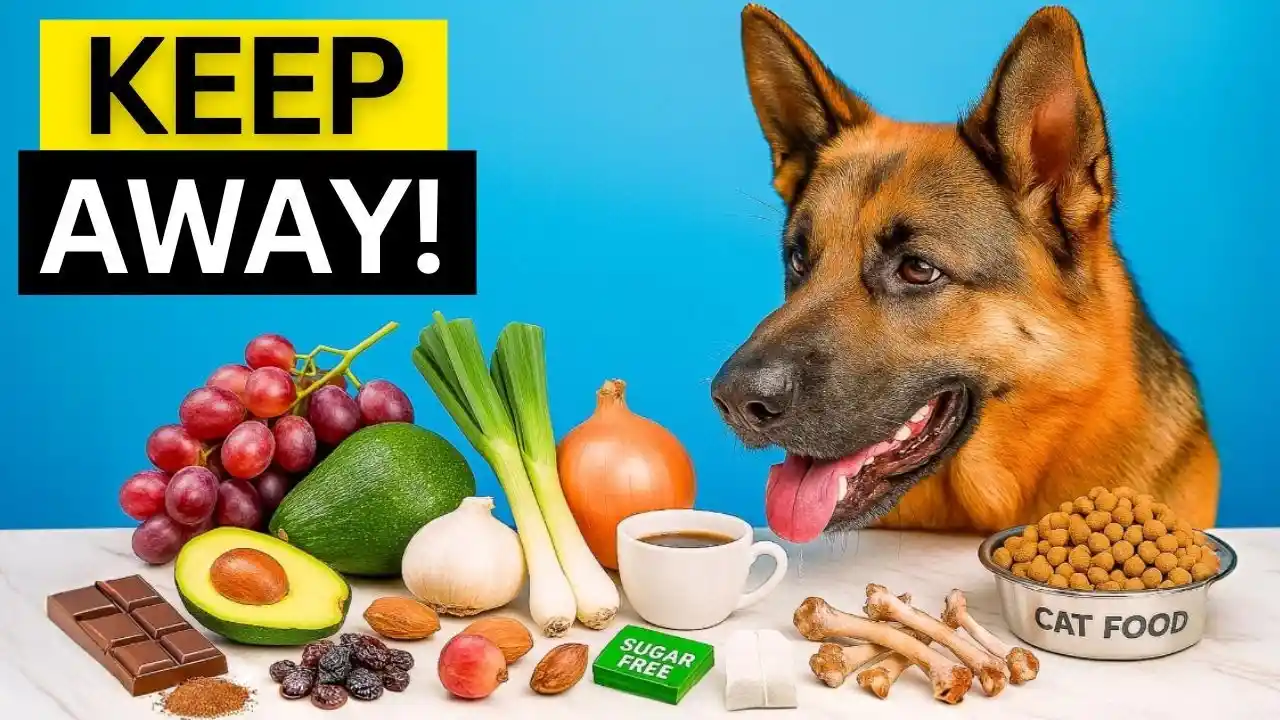
Because of their small size, even a small amount of a toxic substance can be a lethal dose for a Maltese.
The “Never” List (Lethal Toxins):
The “Avoid” List (Unhealthy/Irritants):
While no specific animal meat is universally “poisonous,” the danger lies in the processing. You should never feed your dog seasoned or cured meats.
Examples include:
If you want to give your Maltese meat, stick to “the basics”: boiled chicken breast, lean ground turkey, or steamed white fish—all without salt or oil.
Food allergies in Maltese usually manifest as “atopic dermatitis”—meaning the skin gets red, itchy, and inflamed.
Common Maltese Allergens:
How to Tell the Difference: Tear Stains vs. Allergies
| Marker | Tear Staining (Dietary/Genetic) | Food Allergy (Systemic) |
|---|---|---|
| Primary Symptom | Brown streaks under eyes | Itchy paws and face |
| Skin Condition | Generally normal skin | Red, bumpy, or flaky skin |
| Behavior | No itching | Constant licking/chewing paws |
| Digestive Signs | Normal stools | Occasional diarrhea or gas |
| Solution | Low-sodium/LID diet | Novel protein or Hydrolyzed diet |
If you suspect an allergy, ask your vet about an “Elimination Diet.” This involves feeding a single protein (like venison) for 8 weeks to see if the symptoms vanish.
Maltese can enjoy many “people foods” as long as they are served in moderation. Treats should never exceed 10% of their total daily calories.
| Safe Food | Preparation Method | Benefit |
|---|---|---|
| Blueberries | Fresh, raw | Antioxidants for brain health |
| Carrots | Raw slices or steamed | Good for chewing/dental health |
| Apple Slices | No seeds, no core | Low-calorie fiber |
| Green Beans | Steamed, plain | Great for weight loss (filling) |
| Plain Pumpkin | Puree (not pie filling) | Digestive regulation |
| Banana | Small slices | Potassium and energy |
Yes, plain scrambled eggs are a nutritional powerhouse for Maltese. They provide high-quality protein and biotin, which supports that beautiful white coat.
The Golden Rules for Eggs:
Warning: If your Maltese has a history of pancreatitis or high triglycerides, consult your vet before feeding eggs, as the fat content in the yolk can be a trigger for some sensitive dogs.

The optimal diet is a life-stage-specific small-breed formula that prioritizes named animal proteins and Omega-3 fatty acids. For puppies, this means 3–4 meals a day of high-calorie growth food. For adults, two balanced meals of maintenance food. For seniors, a softened diet with joint support. Always avoid artificial dyes and high-sodium fillers to keep their coat white and kidneys healthy.
Combat pickiness by implementing a strict 20-minute feeding schedule to remove the “negotiation” element. Enhance the appeal of healthy food by warming it slightly to release aromas or adding vet-approved toppers like plain pumpkin, boiled egg, or a dash of salmon oil. Avoid constantly switching brands, as this reinforces the behavior.