
Your dog faces dangerous viruses the moment they step outside. I have seen too many owners skip shots because the schedule feels confusing. You do not need every vaccine on the market. You only need the ones that match your dog’s actual risk profile. I will break down core requirements, legal mandates, and lifestyle factors so you can make confident decisions.
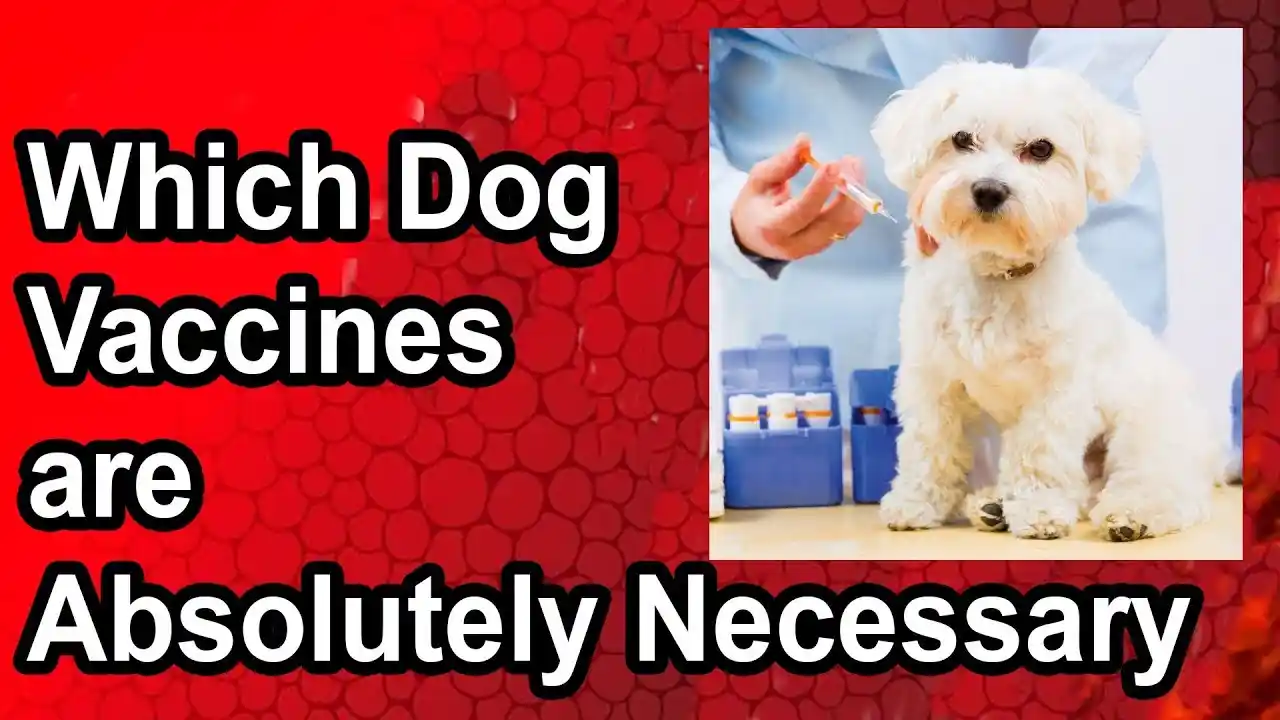
I define essential vaccines as those that protect against highly contagious diseases with severe clinical outcomes. These shots form the baseline of preventive care. Every veterinarian agrees that skipping them leaves your dog unnecessarily exposed. I follow the American Animal Hospital Association standards when building these protocols. The guidelines exist because certain pathogens circulate in nearly every community.
Four core vaccines apply to nearly every dog. I have organized them so you can see exactly what each one prevents and why it matters.
| Vaccine | Prevents | Severity Level | Who Needs It |
|---|---|---|---|
| Rabies | Rabies virus | Fatal | All dogs, legally mandated |
| Distemper | Canine distemper virus | Severe | All dogs, regardless of lifestyle |
| Parvovirus | Canine parvovirus | Fatal | All dogs, highly contagious |
| Adenovirus | Canine hepatitis | Moderate to severe | All dogs, widespread exposure risk |
So what does this mean for your routine? These four shots appear on every standard vaccination record. Puppies receive them in a carefully timed series. Adult dogs get them on a renewal schedule your vet outlines based on local prevalence.
Vaccines train your dog’s immune system to recognize dangerous pathogens before they cause real harm. I always tell owners that prevention costs far less than emergency treatment. A single case of parvovirus requires days of intensive veterinary care and carries a steep survival cost. Vaccines avoid that stress entirely. They work by introducing harmless viral fragments that trigger antibody production. When the real virus appears, the immune system responds immediately.
I recommend tracking your dog’s wellness milestones alongside their vaccine history. This creates a complete health picture you can share with any clinic. You will notice healthier animals recover faster and maintain better energy levels throughout their senior years. Vaccines do not just protect your dog. They protect other animals in parks, grooming salons, and boarding facilities. When enough animals carry immunity, community-wide outbreaks become rare.

I rely on guidelines established by the American Animal Hospital Association and the World Small Animal Veterinary Association. These organizations review disease prevalence, vaccine efficacy, and safety data before publishing recommendations. They update their protocols regularly to reflect new research and shifting epidemiological patterns.
Consensus and Authoritative Sources:
Most clinics will suggest the core four as non-negotiable. They may also recommend non-core shots based on your intake questionnaire. Lifestyle factors like hunting, frequent boarding, or geographic location heavily influence these decisions. I tailor the plan rather than using a one-size-fits-all approach.
State and local laws govern mandatory vaccinations for dogs. Rabies stands as the only universally required shot across the United States. Authorities enforce this rule because rabies crosses the animal-to-human barrier. A single exposure carries serious public health consequences and requires immediate medical intervention.
I check with county health departments annually because local ordinances can change without public notice. Never assume your state’s requirements match neighboring jurisdictions.
Renewal intervals depend on the vaccine type and local ordinances. Many states require a rabies booster one year after the initial puppy dose, then every one to three years. Core vaccines often follow a three-year protocol after the first adult booster.
Your veterinarian will track these dates. Do not skip boosters. Immunity fades over time. A missed renewal leaves your dog vulnerable and may violate local law.
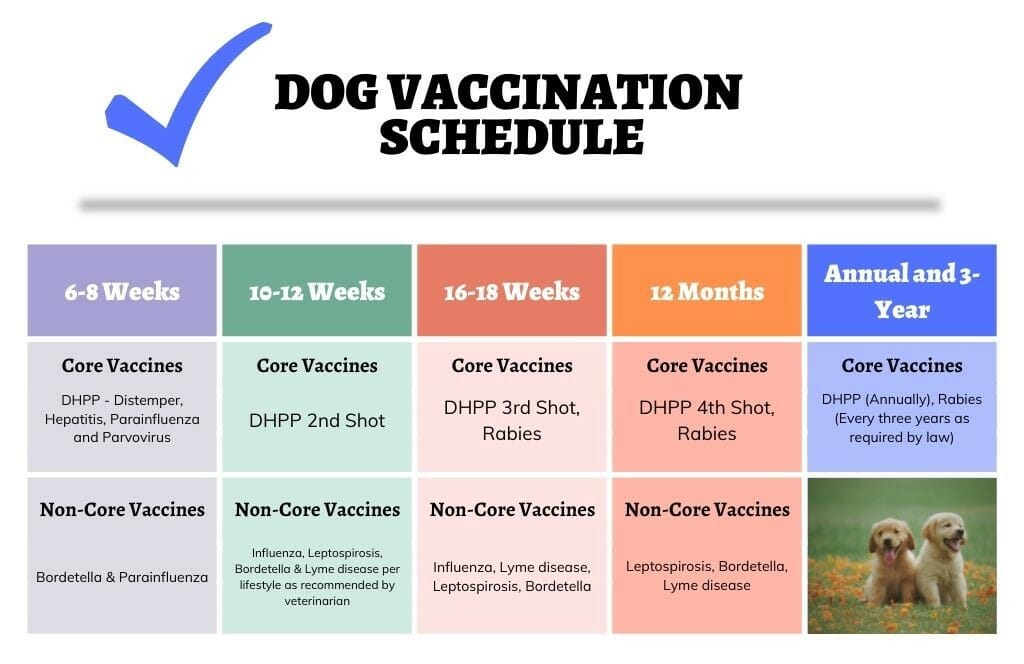
Some shots require yearly updates. Others stretch to three years. I built this table so you can see the typical maintenance window for each vaccine type. Annual renewal typically applies to non-core vaccines and certain core boosters during your dog’s first few years.
| Vaccine Type | Initial Series | First Booster | Maintenance Schedule |
|---|---|---|---|
| Rabies | Puppy series | 1 year | 1-3 years per local law |
| Distemper | Puppy series | 1 year | Every 3 years |
| Parvovirus | Puppy series | 1 year | Every 3 years |
| Bordetella | 2 doses | 6-12 months | Every 6-12 months |
| Lyme Disease | 2 doses | 1 year | Annually in endemic areas |
The real question is: why do some vaccines expire faster than others? Manufacturers design each formula to maintain protective antibody levels for a specific window. Bordetella, for example, wanes quickly because kennel cough bacteria spread rapidly in group settings. Frequent renewal keeps immunity high where exposure risk peaks.
Non-core vaccines target regional threats and lifestyle-specific risks. I assess where you live, how your dog exercises, and whether they interact with other animals. Exposure geography matters heavily in vaccine selection.
Here is a practical decision framework you can use before your next appointment.
| Lifestyle Factor | Recommended Non-Core Vaccine | Why It Matters |
|---|---|---|
| Boarding or daycare | Bordetella | Prevents kennel cough outbreaks |
| Tick-heavy regions | Lyme Disease | Protects against tick-borne infection |
| Rural or wildlife areas | Leptospirosis | Guards against bacteria in standing water |
| Frequent travel | Region-specific boosters | Adjusts protection to new exposure zones |
Core vaccines address diseases with severe outcomes and widespread presence. Every dog receives them regardless of location or activity level. Non-core vaccines cover situational risks. They apply only when your dog’s environment makes exposure likely.
The distinction matters because unnecessary shots add cost without adding value. Vets now follow risk-based protocols rather than annual blanket vaccinations. Your dog’s age, health status, and daily routine guide these choices. Skip non-core shots only when exposure risk remains consistently low.
Vaccines carry minor side effects in rare cases. I always monitor my dogs closely after appointments. You might notice mild soreness at the injection site, temporary lethargy, or reduced appetite for twenty-four to forty-eight hours. Serious reactions remain extremely uncommon but require immediate veterinary attention. Signs include facial swelling, persistent vomiting, or difficulty breathing.
| Time Post-Vaccine | Normal Response | Action Required |
|---|---|---|
| 0-24 hours | Mild soreness, slight lethargy | Monitor closely, offer rest |
| 24-48 hours | Appetite returns to normal | Resume regular feeding |
| 48+ hours | Full energy restored | Return to normal activities |
| Any time | Facial swelling, breathing issues | Seek emergency veterinary care immediately |
Missed boosters create dangerous gaps in protection. I use a simple tracking system to stay ahead of renewal dates. Consistency prevents accidental lapses and keeps your pet compliant.
I keep a physical vaccine record from my vet in a visible location. I set calendar reminders thirty days before each due date. I also ask my clinic about automated text or email notifications. Storing digital copies of vaccine certificates helps during travel or boarding requirements. I review my schedule annually during wellness exams. Reliable tracking removes guesswork from pet care. A few minutes of organization each year saves significant stress later.
Rabies affects the central nervous system and carries a near one hundred percent fatality rate once clinical symptoms appear. The virus spreads through saliva, usually via animal bites. Human exposure requires immediate post-exposure medical intervention.
I treat rabies protocols differently than all other vaccines because public health officials mandate them. Every state requires vaccination for dogs. Some jurisdictions extend the rule to cats and ferrets. These laws exist to create community-wide immunity barriers.
Here is the bottom line. Rabies vaccination protects your dog, your family, and your neighborhood. Compliance keeps your pet legal and your community safe.
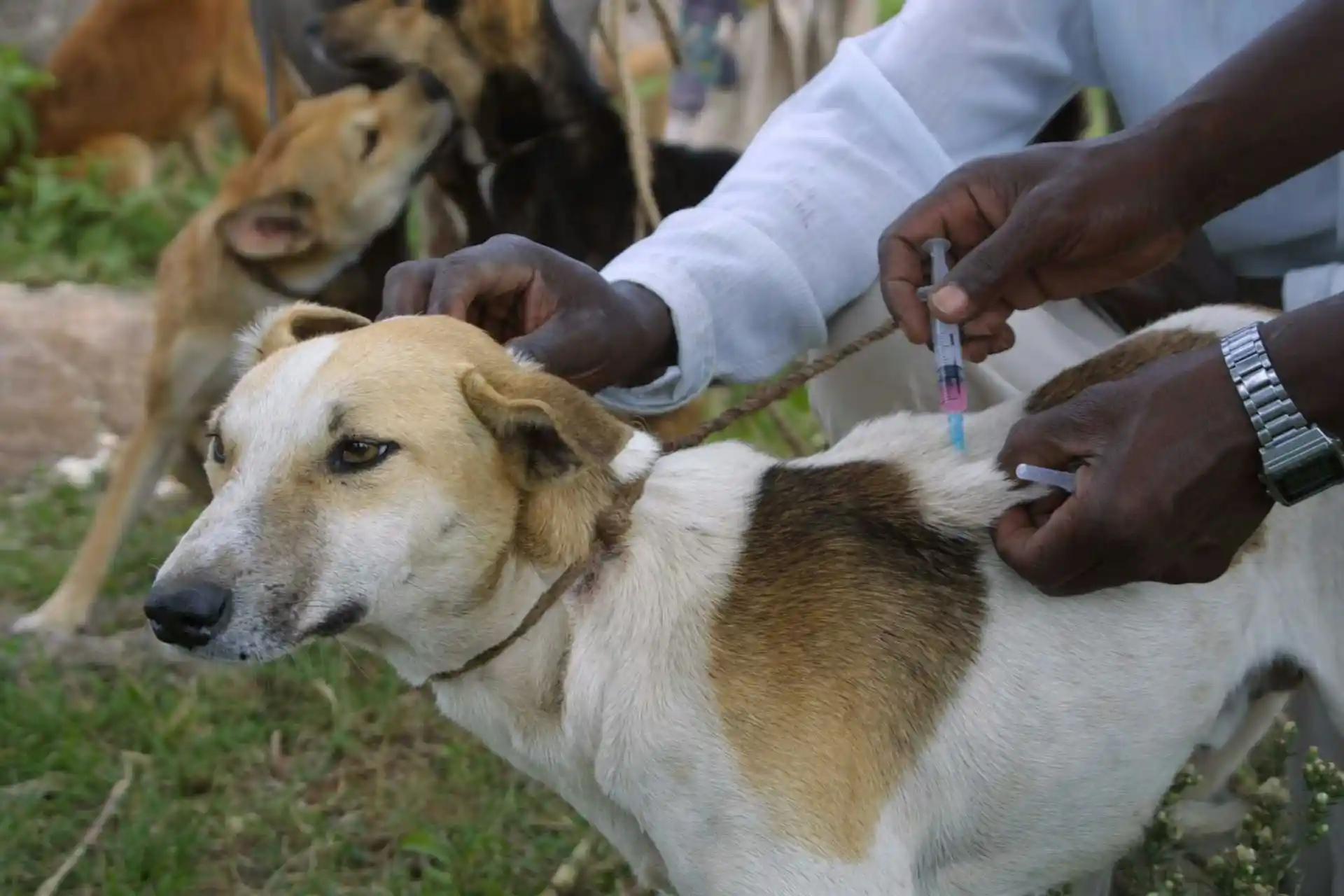
Bordetella bronchiseptica causes kennel cough, a highly contagious respiratory infection. I recommend this vaccine if your dog visits grooming salons, boarding facilities, dog parks, or training classes. Any group environment increases exposure risk.
The real answer depends on your routine. A home-only dog with limited outside contact may skip it. An active social dog needs it to prevent outbreaks. Discuss your schedule with your vet. They will recommend a timeline based on boarding frequency and local outbreak data.
I start with your veterinarian’s assessment. They will review your dog’s age, medical history, and lifestyle before recommending a protocol. You can also consult the official canine vaccination guidelines for a baseline reference.
Keep a running list of questions before each wellness exam. Ask about regional disease prevalence, booster timing, and side effect monitoring. Bring your dog’s previous vaccine records to avoid duplicate shots.
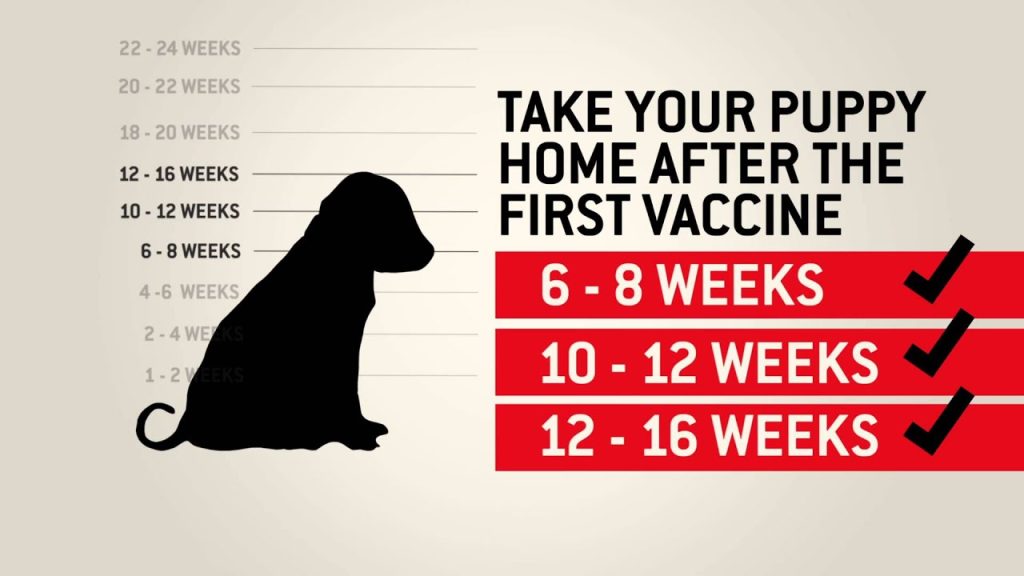
Puppies receive maternal antibodies that fade between six and sixteen weeks. Vaccination bridges that immunity gap. The standard puppy series includes distemper, parvovirus, adenovirus, and rabies.
| Puppy Age | Vaccines Administered | Notes |
|---|---|---|
| 6-8 weeks | Distemper, Parvovirus | First dose in series |
| 10-12 weeks | Distemper, Parvovirus, Adenovirus | Second dose builds immunity |
| 14-16 weeks | Rabies, DHPP booster | Final puppy dose establishes protection |
| 12-16 months | All core boosters | First adult renewal |
I always follow the three-to-four week interval rule. Puppies typically start shots at six to eight weeks. The final puppy dose establishes long-term protection. Adult boosters follow one year later.
Veterinarians universally recommend rabies, distemper, parvovirus, and adenovirus as core requirements. These shots protect against widespread, life-threatening diseases. Non-core vaccines apply only when lifestyle factors increase exposure risk.
Core vaccines target diseases with severe health outcomes and high contagion rates. They form the baseline of every preventive care plan. Skipping them leaves your dog vulnerable to infections that remain common across the country.