
If my older dog suddenly drinks more water, I treat it as a clue, not a diagnosis. What does it mean when an older dog starts drinking a lot of water? It may be heat, dry food, stress, pain, or medication. It may also signal kidney disease, diabetes, Cushing’s disease, infection, or another issue that needs veterinary care. This guide shows what to track, when to worry, and what to ask your vet.
When an older dog starts drinking a lot of water, their body is either asking for more fluid, losing more fluid, or reacting to something new. The reason may be harmless, but it may also be medical.
Here’s the thing: thirst is a sign, not a diagnosis. A senior dog may drink more after a hot walk, a salty snack, a switch to dry food, or a stressful day. If the pattern makes sense and settles quickly, I would keep watching and write it down.
The pattern matters most. Increased thirst that appears suddenly, lasts, or comes with frequent urination deserves a vet call.
| What I Notice | What It May Mean | What I Would Do |
|---|---|---|
| Drinks more after heat | Normal response possible | Offer water and monitor |
| Drinks and urinates more | Medical cause possible | Call the vet |
| Drinks and refuses food | Higher concern | Book a prompt exam |
| Drinks with weakness | Possible urgent issue | Seek care quickly |
A senior dog may drink more because aging changes comfort, temperature control, kidney function, appetite, mobility, and medication needs. Older dogs are also more likely to develop health problems that affect thirst before they look seriously sick.
In practice, I ask one question first: Is this new for this dog? A dog who has always loved water is different from a dog who suddenly wakes at night, drains the bowl, and needs to urinate more.
Older dogs may drink more if arthritis makes them restless, dental pain affects eating, or dry indoor air makes them pant. Some drugs, especially steroids, can also increase thirst. “My senior dog is drinking more water. Help me organize a symptom timeline, medication list, diet notes, and questions for my veterinarian.”
The common causes of excessive thirst in older dogs include kidney disease, diabetes, Cushing’s disease, urinary infection, medication effects, diet, heat, pain, and stress. These causes can overlap, so home observation cannot confirm the diagnosis.
Consensus From Authoritative Sources: Merck Veterinary Manual says excessive thirst and urination can appear with later kidney dysfunction, and advanced cases may include vomiting, appetite loss, depression, weight loss, and dehydration. Cornell’s canine diabetes resource lists frequent thirst, excessive urination, weight loss, appetite changes, and chronic infections as signs linked with diabetes. Merck also notes that Cushing’s disease can include polyuria and polydipsia, which means more urination and more thirst.
| Possible Cause | Why Drinking Increases | Clues To Mention |
|---|---|---|
| Kidney disease | Fluid balance changes | Weight loss, nausea, accidents |
| Diabetes | Sugar affects urine output | Hunger changes, weight loss |
| Cushing’s disease | Hormones affect water balance | Panting, pot belly, skin changes |
| Urinary infection | Irritation or infection | Urgency, odor, blood, accidents |
Yes, a senior dog can drink too much water, but the larger concern is often why the dog is so thirsty. I would not restrict water at home unless a veterinarian gives that instruction.
Water intoxication is uncommon, but it can happen when a dog swallows extreme amounts of water faster than the body can process it. ASPCA Poison Control notes that signs can include vomiting, lethargy, abdominal distention, weakness, coma, seizures, and other severe changes in serious cases 1.
This is different from a senior dog slowly emptying a bowl all day. Still, weakness, wobbliness, collapse, vomiting, or confusion after heavy drinking or water play should be treated as urgent.
Buyer Beware: Advice that says to “just take the bowl away” can be risky. If thirst comes from kidney disease, diabetes, or dehydration, limiting water can make the situation worse.
An old dog drinking a lot of water and not eating is more concerning than thirst alone. This mix can happen with kidney disease, infection, nausea, dental pain, medication reactions, diabetes complications, or other illnesses.
I would call a veterinarian the same day if a senior dog refused food and kept drinking more than usual. Appetite loss tells you the dog may feel sick, even if they still wag their tail.
| Drinking Pattern | Appetite Pattern | Concern Level | Action |
|---|---|---|---|
| Mild increase | Eating normally | Watch closely | Track for changes |
| Clear increase | Skips one meal | Moderate | Call the clinic |
| Clear increase | Not eating | High | Book a prompt exam |
| Drinking with vomiting | Not eating | Urgent | Seek care now |
If my older dog is drinking a lot of water, I would track the change, check for related symptoms, and contact the vet if it is new, sudden, or persistent. Clear notes are more useful than guesses.
Start a short log if your dog is bright, eating, and stable. Record bowl refills, urination, accidents, appetite, treats, food changes, weather, activity, and medication timing. If your dog seems weak, painful, confused, or unable to keep food down, skip the log and call now. I would also bring photos of accidents, food labels, and medication bottles because small details can help your vet connect the timing of thirst with a likely trigger.
Branching Quiz: What Should I Do Next?
AAHA senior care guidance supports using history, examination, bloodwork, urinalysis, blood pressure checks, and other diagnostics when senior pets show renal, urinary, or endocrine concerns 1.
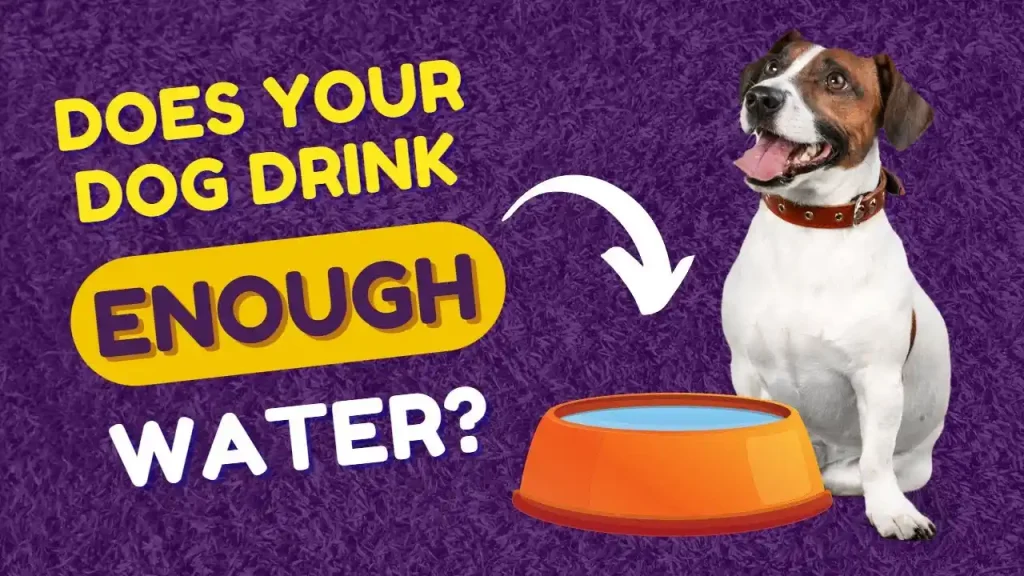
To track water intake, measure how much water you put down and how much remains. Use the same method each day.
| Tracking Tool | Best Use | Watch-Out |
|---|---|---|
| Measuring cup | Simple daily tracking | Shared bowls distort results |
| Marked bowl | Quick visual check | Spills look like drinking |
| Separate bowl | Multi-pet homes | Needs supervision |
| Phone note | Vet-ready timeline | Must be updated daily |
I would also note urine color, accidents, nighttime waking, appetite, and energy. If your clinic asks for a urine sample, ask how fresh it should be and how to store it.
Signs your dog may have a health issue include increased urination, accidents, vomiting, appetite loss, weight loss, lethargy, panting, weakness, bad breath, pain, or behavior changes.
So what does this look like in practice? A dog who drinks more after a hot walk may settle after cooling down. A dog who drinks more, urinates indoors, loses weight, and seems tired needs veterinary testing.
Seek veterinary care when increased thirst is sudden, continues, or appears with appetite loss, vomiting, diarrhea, weight loss, weakness, accidents, straining to urinate, or unusual behavior.
A routine visit may be enough for a bright dog with mild repeat changes. Urgent care is safer if your dog collapses, cannot stand, vomits repeatedly, refuses food, seems confused, or has a swollen belly.
Diet can affect water intake because dry food, salty treats, table scraps, and some prescription diets can change thirst. Wet food contains more moisture, so dogs eating canned food may drink less from the bowl.
Do not change a senior dog’s diet suddenly to “fix” thirst. A fast switch can upset the stomach and hide clues your vet needs. If thirst changed after a new food, take a photo of the label and bring it to the appointment.
For diabetic dogs, Cornell notes that food timing matters because blood glucose and insulin plans are connected. Do not adjust a diabetic dog’s diet or insulin without veterinary direction.
To keep your older dog hydrated, offer clean water in easy-to-reach places, wash bowls often, and make drinking comfortable.
A dog with arthritis may avoid a bowl that is hard to reach. Try non-slip mats, water on each floor, and a raised bowl if your vet agrees. Ask first before adding broth or water-rich foods if your dog has kidney, heart, urinary, or digestive disease.
Yes, medications can cause a senior dog to drink more water. Steroids are a common example, and other drugs may affect thirst, appetite, or urination.
Do not stop a prescribed medication on your own. Stopping suddenly can be dangerous. Call your vet and explain when the thirst started, what changed, and when each dose is given.
Bring a full medication list. Include prescriptions, supplements, flea and tick products, pain relievers, and over-the-counter products. This helps your vet spot side effects and unsafe combinations.
Environmental factors that can increase water intake include heat, humidity, dry indoor air, exercise, travel, stress, and routine changes.
Hot weather can make dogs pant more, which can increase fluid needs. Heated indoor air can dry the mouth and nose. Travel can change feeding times, stress levels, and water access.
Watch whether thirst returns to normal after the trigger ends. If it does not, or if urination remains high, call your vet.
Behavior can affect water intake when a senior dog drinks due to stress, boredom, anxiety, or habit. Some dogs visit the bowl more when routines change or when they feel unsettled.
Still, I would not assume behavior is the cause until medical issues are ruled out. In an older dog, new drinking habits deserve a health check first.
Senior dogs may drink more water at night because they are warm, restless, eating later, taking evening medication, feeling anxious, or dealing with a medical problem that increases thirst and urination.
Night drinking matters when it is new. A dog who wakes to drink and then needs to urinate may have reduced bladder control, kidney changes, diabetes, Cushing’s disease, or a urinary issue.
It means your dog’s thirst pattern has changed. The cause may be simple, such as heat or dry food, or medical, such as kidney disease, diabetes, Cushing’s disease, infection, or medication effects. If it continues or comes with more urination, appetite loss, vomiting, or weight loss, contact your veterinarian.
Sudden thirst can happen after heat, diet changes, stress, medication changes, infection, or disease. Because the causes overlap, I would not try to diagnose it at home. Call your vet if the change is dramatic, repeated, or paired with any other symptom.