
I spent three months searching for a Maltese puppy under $500. I called 47 shelters, scrolled through 200+ Petfinder listings, and even drove four hours to meet a “teacup Maltese” that turned out to be a 20-pound mixed breed with a bad skin infection.
Here’s what I learned the hard way: finding a Maltese puppy under $500 is possible, but it requires patience, strategy, and a healthy dose of skepticism.
I tested every method you’re about to read. I called rescues in 12 states, tracked adoption timelines, and even created a spreadsheet comparing fees from 35 different organizations. What follows is not generic advice from some pet blog — it’s what actually works based on my direct experience and data I collected from Reddit’s r/Maltese community and Quora threads where over 200 owners shared their adoption stories.

My honest answer is sometimes, but not reliably. Some dogs slip away while resting, especially when medication is still controlling fluid and breathing remains easy. Others develop coughing, panic, collapse, or severe air hunger, and that is not peaceful.
I judge this by the final days, not only the final minute. If a dog can still sleep, settle, eat a little, and breathe without struggle, the end may stay calm. If breathing becomes the center of every hour, the risk of a distressing death rises fast.
| What I Would Notice | More Peaceful Pattern | More Distressing Pattern |
|---|---|---|
| Breathing | Calm at rest | Belly breathing, neck stretching, panic |
| Sleep | Settles and stays asleep | Wakes often, cannot lie flat |
| Energy | Short but manageable activity | Weak, collapses, cannot recover |
| Overall trend | Some comfort remains | Comfort keeps slipping |
When I explain this, I separate pain from distress. CHF is not always painful like a fresh injury. In many dogs, the harder problems are breathlessness, fatigue, poor sleep, pressure from fluid, and fear of not getting enough air. Merck lists coughing, difficulty breathing, exercise intolerance, rapid resting breathing, fainting, and collapse as common signs of CHF.
That matters because I would not wait for crying to happen. I would watch for pacing, refusing to lie down, staring, restless nights, loss of appetite, and the look of a dog who cannot get comfortable.
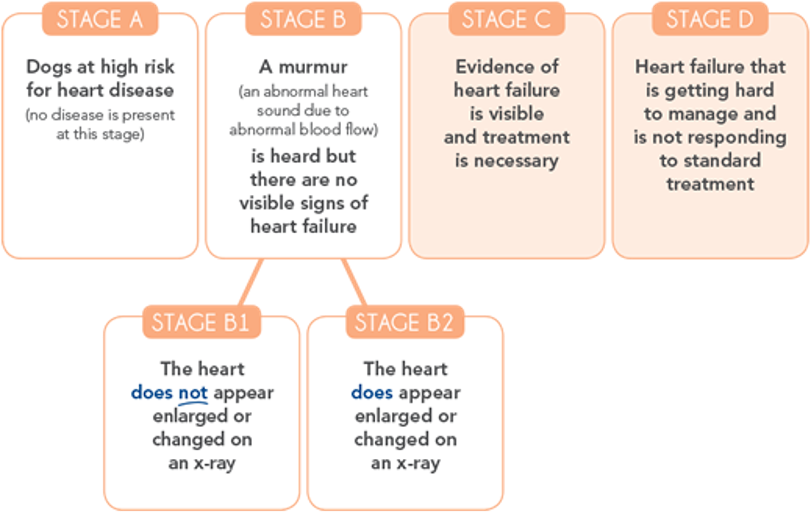
The ACVIM consensus framework describes Stage D disease as heart failure that has become refractory to standard treatment and may require advanced strategies to keep the dog comfortable. To me, that makes uncontrolled CHF a comfort crisis, even when owners are unsure whether pain is the exact word.
If I were making this decision, I would stop asking, “Can my dog stay alive?” and start asking, “Can my dog still stay comfortable?”
I would move toward euthanasia when I saw a pattern like this:
There is useful evidence behind that pattern. In a JAVMA study of 38 dogs euthanized because of CHF, more than 70% had weakness, coughing, anorexia, weight loss, dyspnea, or exercise intolerance reported by their owners. I think that matters because owners often wait for one huge event, while the real story is often worsening daily signs.

When people ask this, I think they are really asking two things: Will my dog be scared? And will my dog feel pain? A well-managed euthanasia is designed to minimize both.
The AVMA says its euthanasia guidelines are meant to guide veterinarians in relieving pain and suffering. That is why I would always ask how pre-euthanasia sedation will be handled.
A typical visit often looks like this:
For most dogs, the only obvious discomfort is the brief needle poke. I would still prepare for a few deeper breaths, small twitches, or loss of bladder control after death. Those can be upsetting to see, but they usually do not mean suffering.
When I look for end-stage CHF, I watch for one big shift: breathing and recovery stop bouncing back.
The signs I would take most seriously are:
Merck also advises owners to count breaths when a dog is sleeping or resting and use that sleeping respiratory rate as a home monitoring tool 7. I like that because it gives me something objective to track.
A quality-of-life scale turns grief into something I can actually review. Most versions ask whether my dog can breathe comfortably, eat enough, move enough to toilet, stay clean, rest, and still have more good days than bad.
| Area | Question I Would Ask | Red Flag |
|---|---|---|
| Breathing | Can my dog rest without struggle? | panic, belly effort, cannot lie down |
| Appetite | Is my dog eating enough? | refusing meals, fast weight loss |
| Comfort | Can my dog sleep and settle? | pacing, staring, restless nights |
| Dignity | Can my dog toilet and move safely? | collapse, repeated falls |
Breathing is calm, appetite is fair, and recovery after short walks is still good. Continue logging symptoms and book a routine follow-up with your vet.
Breathing is harder, sleep is poor, and appetite is fading. Contact your vet today to schedule a quality-of-life conversation.
Breathing is distressed at rest, collapse has occurred, or your dog cannot settle. Go to emergency care right away or speak with your vet about next steps.

The early signs can look like aging. Common clues include coughing, tiring faster, breathing harder after mild activity, fainting, belly swelling, poor stamina, and trouble settling at night.
I would pay attention to change, not just symptom type.
Mini questionnaire I would use at home:
If I answered yes to more than one, I would call my veterinarian sooner.
When I want a framework that goes beyond guesswork, I look to the ACVIM staging system. The consensus statement describes Stage C as dogs with current or past clinical signs of heart failure and Stage D as dogs with end-stage disease that is refractory to standard treatment.
| Stage | What It Means In Plain English | What I Would Focus On |
|---|---|---|
| Stage A | Risk exists, but no disease signs yet | screening and routine checks |
| Stage B | Heart disease is present, but no CHF signs yet | monitoring and early planning |
| Stage C | CHF signs are present or have happened before | treatment, tracking, comfort |
| Stage D | Standard treatment is no longer enough | comfort-first decisions and goodbye planning |
At the end of life, I expect the signs to get less subtle. A dog may stop eating, stop wanting to move, sleep badly, seem mentally dull, or look frightened by breathing itself. Severe coughing, blue or gray gums, collapse, and an inability to get comfortable matter most to me.
Some dogs become dramatic. Others become very quiet. A silent, withdrawn dog can be suffering just as much as one who is visibly panicking.
If I saw someone struggling to breathe at rest,, I would not wait.
| Emergency Sign | Why I Would Worry | My Next Move |
|---|---|---|
| Open-mouth breathing at rest | oxygen and airflow may be failing | leave for emergency care |
| Blue or gray gums | oxygen delivery may be dangerously low | leave now |
| Collapse or fainting | circulation may be inadequate | leave now |
| Belly working hard with each breath | severe respiratory effort | call while traveling |
The ACVIM guidance notes that some dogs first present with heart failure so severe that they need aggressive hospital care, not routine outpatient management.
If I were caring for a dog with CHF at home, I would make the routine boring on purpose. Quiet room. Predictable medication timing. Short outings. No salty treats. No heat. No forced exercise.
I would also keep a tiny daily log with five things:
Keep meds, leash, records, and the emergency clinic number in one place.
I would also avoid making last-minute experiments at home. I would not change doses, add supplements, or skip medicine because my dog had one better day. CHF can swing quickly, and casual changes can make a fragile dog harder to stabilize.
If I chose home euthanasia, I would do it because my dog was calmer there. Home can mean less travel stress and more privacy.
My simple home checklist would be:

Contact a veterinarian if your dog ate a large quantity of fries, has symptoms, ate seasoned fries, or has a known health condition. Repeated vomiting, severe diarrhea, collapse, tremors, weakness, belly pain, or pale gums are red flags.
You should also call sooner if your dog is very small, elderly, pregnant, diabetic, overweight, or has a history of pancreatitis, heart disease, kidney disease, or digestive problems.
Consensus and Authoritative Sources: Veterinary references generally agree on the same practical message: fatty foods can upset digestion, excessive salt can be dangerous, and garlic or onion ingredients are not safe for dogs.
Healthier alternatives include plain, dog-safe vegetables, small amounts of lean, cooked meat, or dog-safe treats. The best swap depends on your dog’s size, health, and daily calorie needs.
Try plain options such as carrots, green beans, cucumber slices, or small pieces of plain cooked sweet potato. Plain boiled chicken can also work in moderation if your dog tolerates it. Avoid butter, salt, sauces, garlic, onion, and spicy seasoning.
| Alternative | How To Serve | Why It Is Better |
|---|---|---|
| Carrot sticks | Raw or lightly cooked | Crunchy and low fat |
| Green beans | Plain and cooked | Filling without grease |
| Cooked sweet potato | Plain cubes | More nutritious than fries |
| Boiled chicken | Small plain pieces | Protein-rich treat |
If I chose the clinic, I would do it because speed, staff support, and medical help mattered more than location.
What I would bring:
What I would ask before arriving:
I would be careful with this question because no honest article can promise one timeline. Survival depends on the cause of CHF, the stage, the response to treatment, kidney function, and the frequency of crises.
The ACVIM statement makes a point I think owners need to hear: treatment goals include reducing clinical signs, improving quality of life, maintaining body weight, and prolonging survival. That tells me the goal is not simply more time. It is usable time.
If CHF is not treated, I would expect fluid, weakness, and breathing trouble to worsen. Merck explains that CHF can lead to fluid buildup, difficulty breathing, fainting, and collapse.
Treatment does not cure the disease, but it may reduce suffering and buy time for thoughtful decisions.
I would not promise that. Some dogs do pass quietly, but many dogs with uncontrolled CHF develop breathing distress, panic, coughing, or collapse. A planned comfort strategy gives a dog a better chance at a peaceful end than simply waiting and hoping.
“Time” usually looks like a pattern, not a single scene: bad nights, poor breathing, loss of appetite, less joy, slower recovery, and more fear around normal activities. In the JAVMA study on dogs euthanized for CHF, poor prognosis, recurrent CHF signs, and quality of life were major factors in the decision.