
Feeding your dog raw meat from the supermarket carries hidden risks like Salmonella. I have consulted vets who warn of bacterial contamination. But with proper handling, you can minimize dangers. This guide provides evidence-based steps to feed raw food safely, aligning with veterinary guidelines. Always consult your vet before starting.
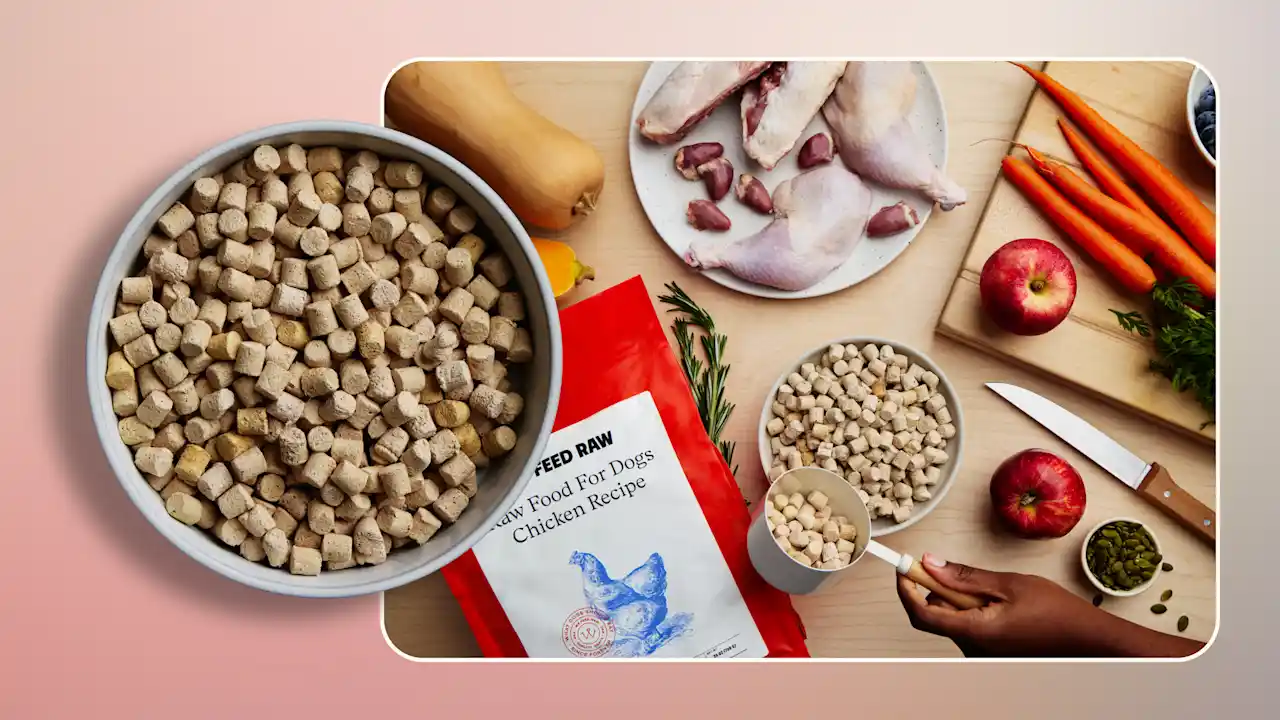
Feeding your dog raw meat sourced directly from a local grocery store is a practice that divides opinions among pet owners. In my experience, dogs possess highly acidic stomachs designed to process raw proteins efficiently. Many owners who switch to raw feeding report a noticeably shinier coat and increased energy levels.
However, sourcing this meat from a standard grocery store introduces variables you must control. The meat in the butcher section is regulated for human consumption. This means regulators allow a certain threshold of surface bacteria because they assume you will cook it.
When you bypass the cooking process, you take on the responsibility of managing that bacterial load. You also face the challenge of creating a nutritionally complete meal. Muscle meat alone lacks the essential calcium and vitamins a dog requires.
Supermarket meat is generally safe for dogs when it is fresh and meticulously handled. The core danger rarely lies in the meat itself but in the potential for cross-contamination in your kitchen. To keep your dog safe, you must prioritize absolute freshness. Meat nearing its expiration date carries a significantly higher bacterial count.
Always check the packaging for hidden sodium solutions. Many supermarkets inject poultry and pork with a saltwater broth to keep the meat plump. This added sodium is highly toxic to dogs. You must only purchase meat labeled with one single ingredient.
Storage is equally critical. Keep raw dog meat sealed in airtight containers on the bottom shelf of your refrigerator. If you buy in bulk, portion the meat immediately and freeze the excess to stop bacterial growth.
The primary risk of feeding raw supermarket meat is exposure to dangerous foodborne pathogens. A significant percentage of raw poultry sold in standard grocery stores tests positive for Salmonella. While a healthy dog’s digestive system can often handle these bacteria, the risk to your human household members is severe.
When your dog eats contaminated meat, they can shed those bacteria in their saliva and feces. If your dog licks your face or you handle their waste improperly, you could contract a serious illness.
Another major risk is long-term nutritional deficiency. A diet consisting exclusively of supermarket chicken breasts is severely unbalanced. Dogs require a precise ratio of muscle meat, secreting organs, and edible bone to maintain skeletal health.
Table 1: Cost & Safety Comparison Matrix
| Food Type | Pathogen Risk Level | Nutritional Balance | Average Cost Per Pound |
|---|---|---|---|
| Grocery Raw Meat | High (Requires handling) | Poor (Requires math) | $3.00 – $6.00 |
| Commercial Raw | Low (HPP treated) | Excellent (Pre-mixed) | $8.00 – $15.00 |
| Premium Kibble | Very Low | Excellent (Standardized) | $2.00 – $4.00 |

Safety begins the moment you place the meat in your shopping cart. Keep raw meat separated from your fresh produce. Once home, dedicate specific cutting boards and storage containers solely for your dog’s food preparation. Stainless steel bowls are mandatory because plastic bowls develop microscopic scratches that harbor bacteria.
Wash your hands thoroughly with hot, soapy water before and after handling the food. Disinfect all kitchen surfaces immediately after meal prep. When feeding your dog, leave the bowl down for no longer than fifteen minutes. If your dog walks away, discard the remaining food.
Never let raw meat sit out at room temperature. Thaw frozen meat in the refrigerator overnight rather than leaving it on the counter.
Table 2: Grocery Store Pathogen Safety Protocol
| Step | Action Required | Why It Matters |
|---|---|---|
| 1. Shopping | Bag raw meat separately. | Prevents grocery cart cross-contamination. |
| 2. Prep Space | Use dedicated steel utensils. | Plastic harbors microscopic bacteria. |
| 3. Feeding | Remove bowl after 15 minutes. | Stops rapid bacterial multiplication at room temp. |
| 4. Cleaning | Wash bowl with boiling water. | Neutralizes lingering Salmonella or E. coli. |
Yes, dogs can eat raw meat with bones from the supermarket, provided you follow strict size guidelines. Raw bones are soft, pliable, and fully digestible for a dog. They provide essential calcium while acting as a natural toothbrush to scrape away plaque.
However, you must choose the right type of bone. Weight-bearing bones from large animals like cows are extremely dense. These thick bones can easily fracture your dog’s teeth. Poultry wings, necks, and backs are generally safer options for chewing.
The most critical rule of raw feeding is to never cook the bones. Cooking extracts the moisture, causing the bone to become brittle. A cooked bone will splinter into sharp shards that can pierce your dog’s intestines.
When browsing the meat counter, lean proteins should be your primary focus. Lean ground beef, turkey breast, and chicken thighs are excellent foundational meats. They provide robust amino acid profiles without excessive fat content.
Fatty meats can quickly trigger pancreatitis in sensitive dogs. Pork can be fed, but it must be handled carefully due to parasite risks. If you choose to feed pork, freeze the meat for at least three weeks prior to feeding.
Always look for meats clearly labeled as natural and unenhanced. Avoid anything marked as basted or tenderized. These labels indicate the presence of chemical preservatives or excessive salt.
Table 3: Best Supermarket Cuts by Protein Type
| Protein Source | Best Grocery Store Cuts | Cuts to Avoid |
|---|---|---|
| Beef | 90/10 Ground, Chuck Steak, Liver | 73/27 Ground, Marinated Steaks |
| Chicken | Boneless Thighs, Wings, Necks | Enhanced Breasts, Fried Chicken |
| Turkey | Lean Ground Turkey, Gizzards | Pre-seasoned Turkey Burgers |
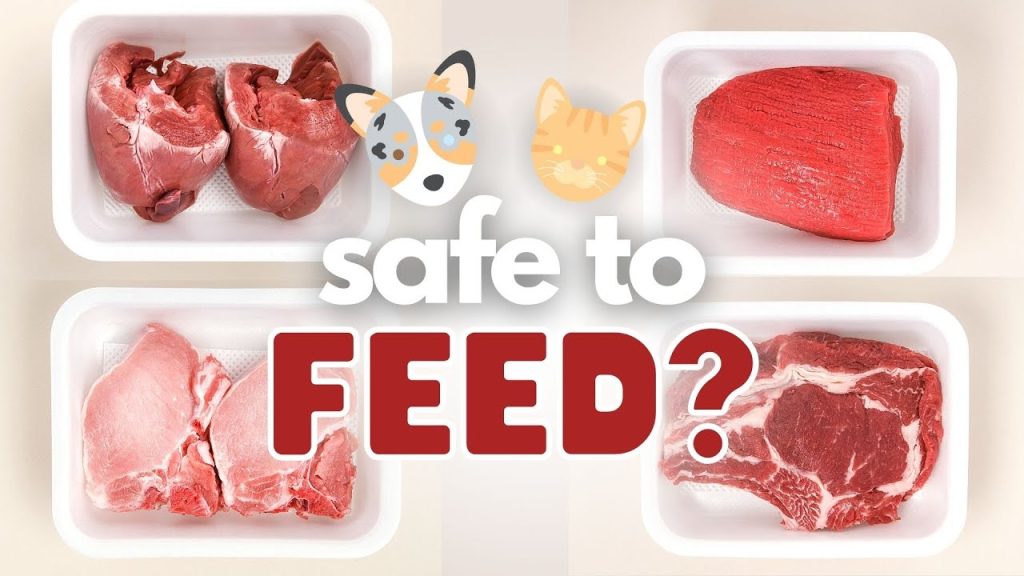
Raw chicken is one of the most affordable options for raw feeders. Dogs can certainly eat raw chicken from the supermarket. It is highly digestible and provides an excellent source of lean protein.
The main concern with supermarket chicken is Salmonella. Your dog’s highly acidic stomach is equipped to handle this, but you must manage the kitchen hygiene meticulously. Learn more about
If your dog is new to raw food, chicken is the best introductory meat. Its bland nature is gentle on the digestive tract during the transition phase. Always remove the skin before feeding, as chicken skin is incredibly high in fat.
Raw beef is another staple for raw feeding and is entirely safe when sourced correctly. Beef is rich in iron and B vitamins, making it a nutritional powerhouse for active dogs. Because beef carries a lower risk of Salmonella compared to poultry, many owners feel more comfortable handling it.
When purchasing beef, look for leaner cuts. A fat content of ten percent is ideal. High-fat ground beef is often too rich for a dog’s daily diet and can lead to severe digestive issues.
You can also ask your local supermarket butcher for beef organ scraps. Liver and kidney are essential components of a balanced raw diet, though they require precise portioning.
You can feed your dog raw supermarket meat every day, provided it is part of a mathematically balanced diet. A daily diet of just chicken breasts will slowly starve your dog of vital nutrients.
Long-term raw feeders follow the 80/10/10 rule. This means the daily intake must be eighty percent muscle meat, ten percent secreting organs, and ten percent edible bone.
If you plan to feed supermarket meat daily, you will likely need to purchase specialized canine supplements. Adding a high-quality omega oil and kelp powder ensures your dog does not develop long-term deficiencies.
Table 4: The 80/10/10 Supermarket Sourcing Guide
| Dietary Requirement | Target % | What to buy at the Grocery Store |
|---|---|---|
| Muscle Meat | 80% | Ground beef, chicken thighs, turkey breast |
| Edible Bone | 10% | Chicken wings, chicken necks, turkey tails |
| Secreting Organ | 5% | Beef liver, chicken liver |
| Other Organ | 5% | Beef kidney, spleen (often requires special order) |
Some supermarkets now carry commercial raw dog food in their freezer sections. These pre-packaged meals offer a convenient middle ground. They provide the health benefits of raw meat without the intense preparation.
The main advantage of these commercial options is safety. Most reputable raw dog food brands utilize high-pressure processing to eliminate dangerous pathogens. Furthermore, these meals are formulated by veterinary nutritionists to be complete right out of the package.
The disadvantage is the cost. Commercial raw dog food is significantly more expensive than buying standard cuts of meat. However, for owners worried about kitchen hygiene, the peace of mind is worth the price.
Despite your best efforts, mistakes happen. If you suspect your dog has consumed spoiled meat, prompt observation is critical. Do not panic immediately. Dogs are scavengers by nature, and their digestive tracts are quite robust.
Remove any remaining contaminated food from their reach immediately. Ensure your dog has access to plenty of fresh drinking water. Withhold their next meal to give their gastrointestinal tract time to rest.
Contact your veterinarian for guidance immediately. Provide the vet with the exact type of meat and how long it had been sitting out. You should understand basic [External Link: “emergency veterinary care” -> AVMA.org].
If a dog consumes fresh raw meat from the supermarket, the most likely outcome is that they will digest it perfectly fine. The highly acidic environment of a dog’s stomach breaks down raw proteins quickly.
However, if the dog is not used to raw food, the sudden richness can cause temporary digestive upset. You might notice loose stools within twenty-four hours. This is usually a sign of a rapid diet change rather than an infection.
Monitor your dog’s stool closely. A transition stool is simply loose, while a dangerous bacterial infection stool is often liquid and contains streaks of blood. Seek emergency care if you see blood.
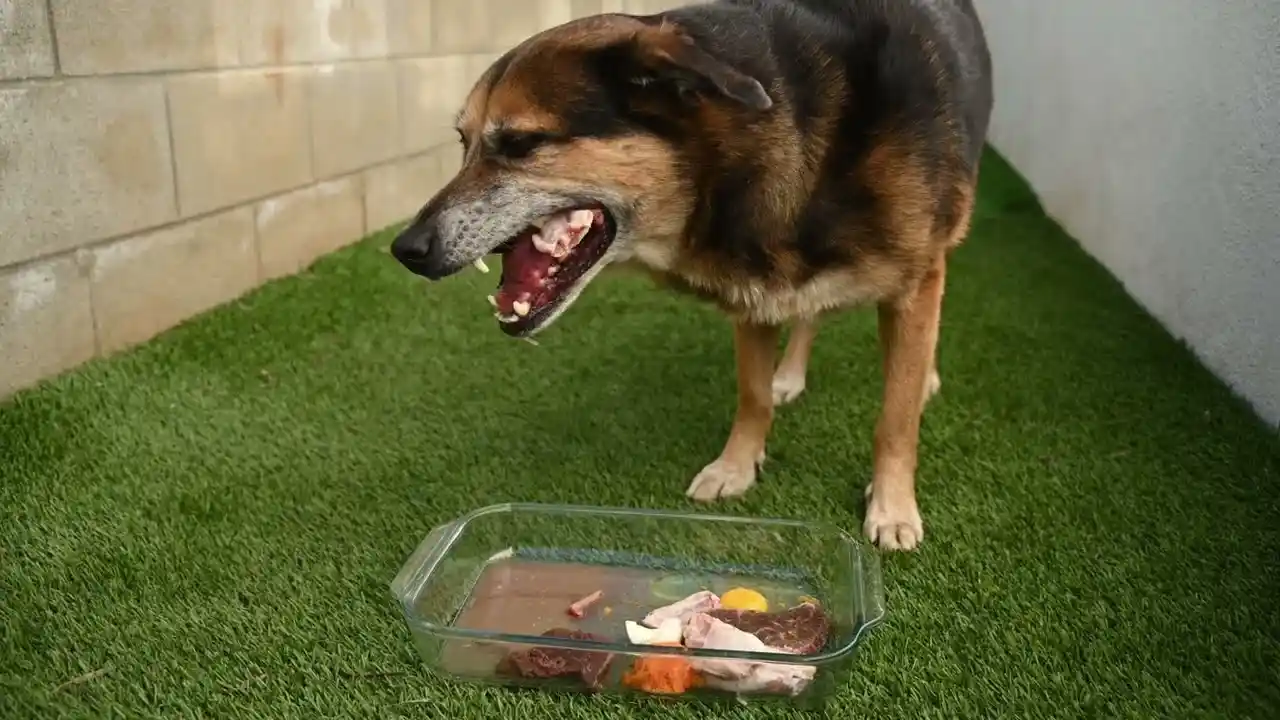
Advocates of the raw meat diet point to numerous observable health benefits. Because raw meat is highly bioavailable, dogs digest more of the food and produce significantly smaller stools.
Many owners report drastic improvements in coat health. The natural fats in fresh meat lead to a glossy coat and a reduction in dry skin. Furthermore, the act of tearing and chewing raw meaty bones provides unparalleled dental benefits.
The mechanical action of scraping teeth against raw bone removes plaque buildup naturally. This can lead to fresher breath.
Mixing raw meat with commercial kibble is a popular way to boost a dog’s protein intake. It is generally safe to mix the two, and even a small addition of fresh food provides value.
Here is the thing: raw meat and processed dry kibble digest at different rates. Kibble requires more time and water to break down in the stomach. For most dogs, mixing the two causes no issues whatsoever.
However, dogs with sensitive stomachs may experience gas when their system tries to process both formats simultaneously. If you decide to mix, monitor your dog’s weight carefully and reduce the kibble portion accordingly.
Patience is the ultimate key when transitioning your dog from processed kibble to raw supermarket meat. A sudden switch will almost certainly result in severe diarrhea. You must give their gut microbiome time to adjust.
Begin by fasting your dog for twelve hours to clear their digestive tract. Introduce a very small amount of bland raw meat, such as skinless chicken breast. Feed this small amount alongside their regular diet for three days.
If their stool remains firm, gradually increase the portion of raw meat while decreasing the kibble over a period of two weeks. Slowly introduce new proteins one at a time to monitor for specific meat allergies.

Yes, feeding fresh supermarket meat is the safest approach if you choose to prepare DIY raw meals. Freshness minimizes the bacterial load on the surface of the meat. Always check the packaging dates and practice strict kitchen hygiene to prevent cross-contamination.
It is safe to eat regularly only if it is part of a carefully balanced diet. Feeding only grocery store muscle meat every day will lead to severe nutritional deficiencies. A regular raw diet must include the correct ratios of muscle meat, edible bones, and secreting organs.