Potty training a Maltese puppy starts with frequent opportunities, close supervision, and an immediate reward for using the chosen toilet area. Small puppies can give subtle signals and may need a break soon after waking, eating, drinking, playing, or becoming excited. Miss one of those moments, and an accident can happen quickly. Instead of expecting perfection by a fixed age, follow a predictable routine, record your puppy’s patterns, and gradually extend the time between successful trips.
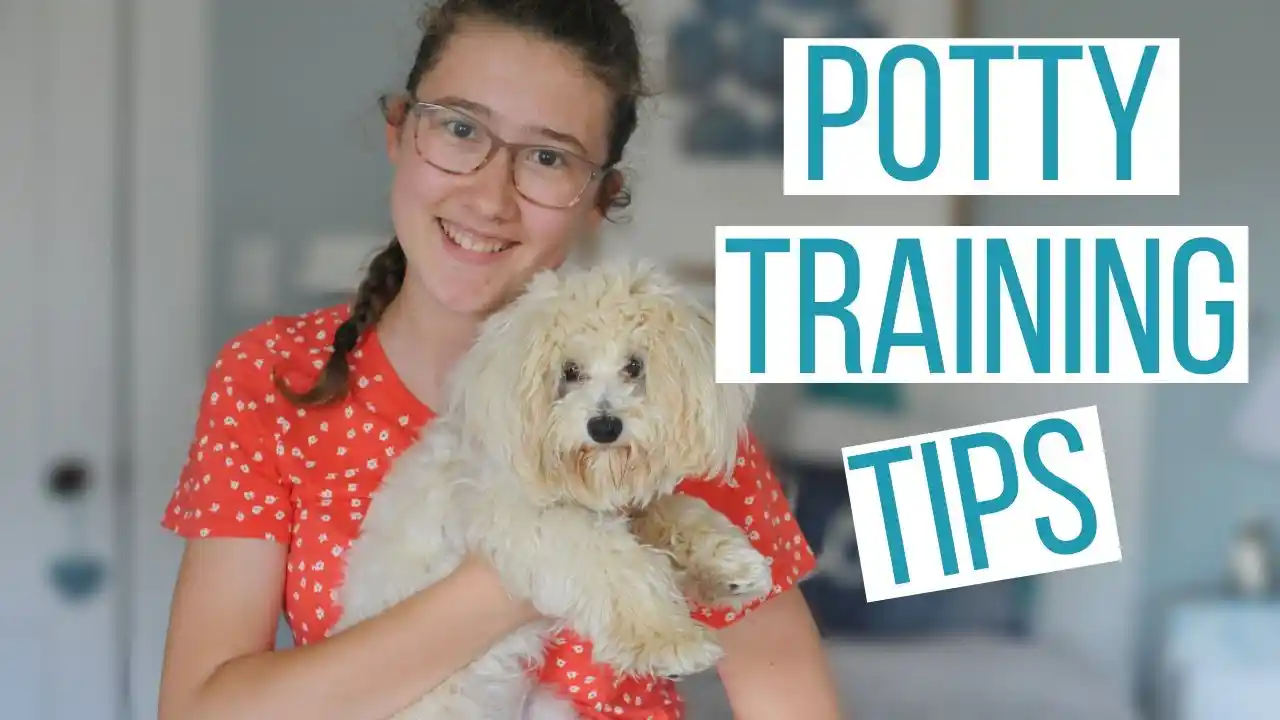
The most useful approach combines an event-based schedule with a simple log. A clock reminds you to offer regular breaks, while events such as waking or playing identify moments when elimination is especially likely. Recording successes and accidents lets you shorten the interval before a predictable problem instead of guessing.
Use humane, reward-based methods. The AVSAB training guidance explains why rewards should guide behavior and why aversive methods are unnecessary. Punishment may make a puppy afraid to eliminate near you without teaching the correct location.
| Trigger | Immediate Action | What To Record |
|---|---|---|
| Waking or leaving crate | Go directly to toilet area | Urinated, defecated, or neither |
| Meal or large drink | Offer another trip soon | Food, water, and result times |
| Play or excitement | Pause and take puppy out | Signals noticed beforehand |
| Sniffing, circling, wandering | Calmly interrupt and relocate | Location and preceding activity |
| Before bed | Offer a quiet final trip | Last result and overnight waking |
Choose one toilet location. Use a quiet outdoor patch, pad station, or appropriate indoor dog toilet. Keep food, water, and bedding separate from it.
Create a starting schedule. Offer a trip after every major trigger and at frequent intervals while the puppy is awake. Tighten the schedule after accidents.
Take the puppy directly there. Carry a very young puppy if hallways, stairs, or elevator delays commonly cause accidents.
Use one short cue. Say “go potty” once as the puppy begins searching. Repeating it constantly can turn it into background noise.
Keep the trip boring at first. Allow calm sniffing, but save play and exploration until after elimination.
Reward immediately. Give a tiny treat and calm praise as soon as the puppy finishes. Delayed rewards may reinforce coming indoors instead.
Supervise after an unsuccessful trip. Keep the puppy beside you or use a safe pen briefly, then try again. Do not allow unsupervised roaming.
Review the log every few days. Extend intervals only after repeated success. If accidents return, shorten them again without treating the setback as defiance.
There is no verified Maltese-specific deadline. A puppy may understand the preferred location before having enough physical control and routine reliability to avoid every accident. Progress often unfolds over weeks or months, with occasional setbacks during schedule changes, travel, illness, or increased household freedom.
Measure improvement by patterns: fewer accidents, clearer signals, successful trips in new situations, and longer intervals while comfortable. If progress stalls, audit supervision and timing before assuming stubbornness. A puppy that is suddenly urinating more often needs veterinary attention rather than stricter discipline.
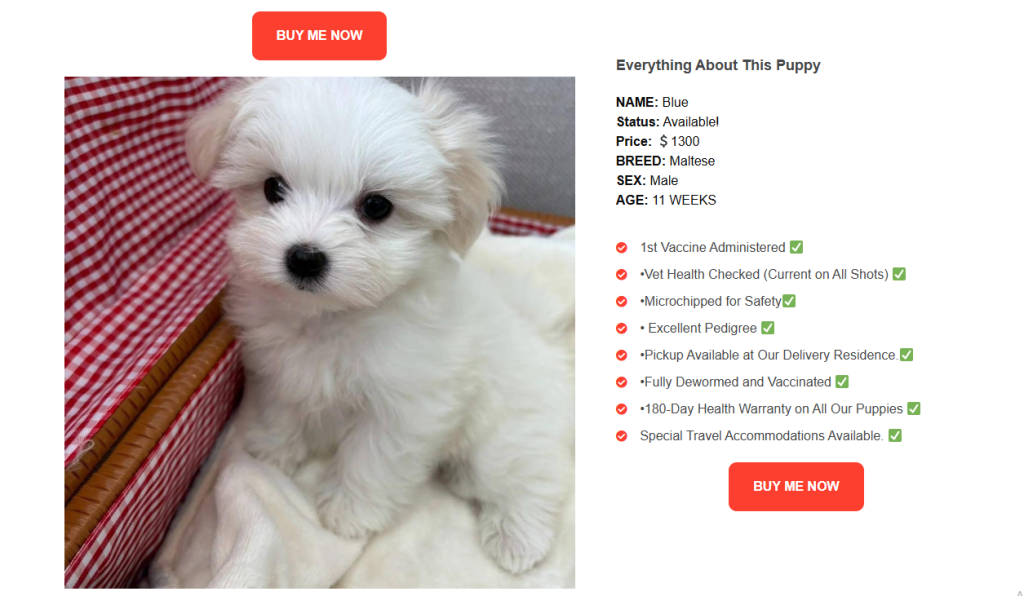
Begin as soon as the puppy arrives home, using expectations appropriate to its age and veterinary vaccination plan. Young puppies can learn a location and routine, but learning the rule does not mean they can wait through a workday or consistently signal in time.
Do not compare one puppy with another or declare failure at a particular age. Sleep, meals, water intake, activity, stress, and health all affect elimination. Ask your veterinarian which outdoor locations are suitable before the puppy completes its recommended vaccinations, especially where many unfamiliar dogs eliminate.
Use the same schedule and rewards for a male puppy, but watch for marking as he matures. Marking usually involves small amounts placed on vertical objects or socially significant areas. A full bladder release on the floor is more likely a house-training, access, or health problem.
The ASPCA marking guidance notes that neutering may reduce marking in some dogs, but it does not replace training or guarantee that an established habit will stop. Discuss timing with your veterinarian based on your dog’s individual needs.
Hypothetical use case: A male puppy urinates normally outside, then leaves small amounts on chair legs when visitors arrive. The owner blocks access to previous targets, supervises greetings, provides a potty trip before guests enter, and rewards calm outdoor elimination. A belly band may protect surfaces temporarily, but it must be checked frequently and never used as punishment or left wet.
Train the puppy in front of you, not an assumed blend of breed traits. Adult size may influence practical needs, but a Maltese mix’s learning speed, bladder control, and energy cannot be predicted reliably from its label alone.
Start with the same event-based routine. If the puppy becomes distracted outdoors, use a quieter toilet area and postpone play until after elimination. If the puppy is larger and consistently successful, extend intervals gradually. If it is very small, young, or inconsistent, keep opportunities frequent. Let the log, body language, and veterinary health assessment guide changes.
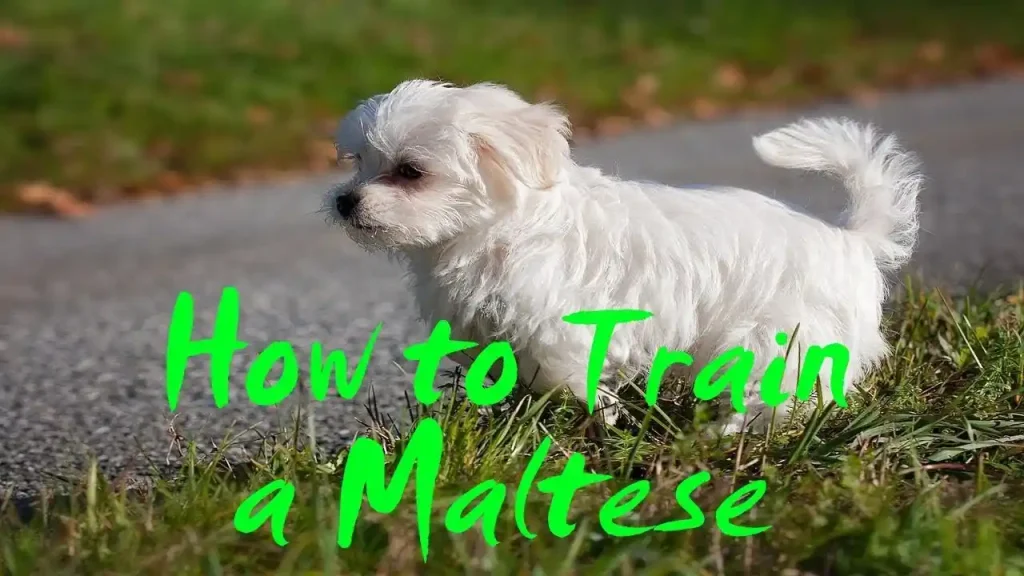
“Teacup” is not a separate Maltese breed category in the official Maltese standard. Sellers may use the term for an unusually small dog, so obtain the puppy’s measured weight, health records, feeding instructions, and veterinary assessment rather than relying on the label.
An extra-small puppy may need short travel distances, close supervision, and easy access to an indoor option during unsafe weather. Do not assume shivering, weakness, confusion, collapse, or unusual sleepiness is a training issue. These signs require prompt veterinary advice. The Merck hypoglycemia overview describes hypoglycemia as a medical condition requiring diagnosis and appropriate treatment. Do not rely on internet feeding remedies in place of care.
Place the pad in one accessible, low-traffic location and take the puppy there after each trigger. Reward only after the puppy finishes on the pad. A holder can reduce sliding and limit access to loose edges if the puppy tries to shred them.
Replace soiled pads often enough to keep the station usable, but avoid moving the entire setup unpredictably. If your goal is outdoor elimination, shift the station gradually toward the exit, then to the outdoor destination. Move it in small stages and pause if accidents increase.
Pads can create a preference for soft indoor surfaces, so block access to bath mats and rugs during learning. Never place a soiled disposable pad where another pet or child can reach it.
A pad system or training kit may improve organization, but no product guarantees faster training. Before buying, check size, stability, leak protection, cleaning instructions, replacement costs, and whether your puppy chews disposable materials. Any seller should disclose commercial interests and support performance claims with verifiable product information.
Both can work. Choose the option you can provide consistently and safely rather than switching according to convenience each day.
| Factor | Indoor Station | Outdoor Area |
|---|---|---|
| Access | Useful with long elevator trips | Best with quick, safe access |
| Weather | Available during severe conditions | Requires suitable conditions |
| Long-term goal | May need a later transition | Establishes outdoor preference early |
| Management | Requires cleaning and pad storage | Requires leash trips and cleanup |
Branching decision quiz
Question 1: Can you reach a suitable outdoor area within a few minutes?
If yes, continue to Question 2. If no, start with an indoor station near the exit.
Question 2: Can someone provide frequent trips throughout the day?
If yes, begin outdoor-first training. If no, arrange a caregiver or use a clearly defined indoor station rather than expecting the puppy to wait.
Question 3: Is dangerous weather temporarily limiting outdoor access?
If yes, use one indoor backup location and keep its cue distinct. If no, continue the chosen routine.
This quiz guides training logistics, not medical or vaccination decisions. Ask your veterinarian about safe public areas.
Hypothetical use case: An apartment owner needs eight minutes to reach grass. The puppy repeatedly urinates in the elevator. The owner creates a temporary pad station beside the apartment door, carries the puppy during planned outdoor trips, and moves the station toward the final destination only after a stable success pattern develops.
Maltese puppies are not incapable of reliable house training, but their small size can make timing and signals easy to miss. A brief pause, sudden wandering, or focused floor sniffing may be the only warning before an accident.
Difficulty often comes from too much freedom too soon, irregular meals, delayed rewards, moving pads, or expecting the puppy to wait longer than its current pattern supports. Return to a smaller supervised area, increase opportunities, and reward the desired location. Progress is not erased by one accident.
First, prevent unsupervised access to common accident areas. Use gates, a pen, a lightweight indoor leash under direct supervision, or a positively introduced crate. A crate should allow the puppy to stand, turn, lie comfortably, and rest. Never use it to force a puppy to wait beyond its needs.
If you see an accident starting, interrupt with a calm word, take the puppy to the toilet area, and reward completion there. Do not yell, clap, rub the puppy’s nose in the mess, or punish after the event.
Clean with a pet-appropriate odor-removing product that is compatible with the surface. Follow its label, keep the puppy away during cleaning, and test delicate materials first.
| Problem Pattern | Likely Training Gap | Next Action |
|---|---|---|
| Same carpet spot | Residual odor or easy access | Clean thoroughly and block area |
| Accident after play | Trigger was missed | Add a break before and after play |
| Hidden-room accidents | Too much freedom | Reinstate close supervision |
| Sudden frequent urination | Possible health issue | Arrange veterinary assessment |
The puppy may have been distracted, frightened, rushed, or more interested in play than elimination. Another possibility is that the puppy urinated once but had not finished. Quiet indoor surroundings can then trigger the remaining elimination.
Use the same small outdoor area, stand calmly, and allow reasonable time. If nothing happens, return indoors under direct supervision and try again shortly. Reward elimination before starting the walk or game so pottying does not end all outdoor fun.
Repeated tiny urinations, straining, blood, genital licking, pain, increased thirst, or abrupt regression can indicate a medical problem. Contact a veterinarian instead of repeatedly extending outdoor waits.

Use life stage to choose a starting level of supervision, then customize it with recorded results. Avoid formulas claiming that age equals a guaranteed number of holding hours.
| Stage | Starting Management | When To Adjust |
|---|---|---|
| Newly arrived puppy | After every trigger plus frequent awake trips | Shorten after any pattern of accidents |
| Building consistency | Maintain trigger trips; test small extensions | Extend after repeated comfortable success |
| Mostly reliable | Add freedom one room at a time | Reduce freedom if accidents return |
| Overnight | Final quiet trip; respond to waking or restlessness | Seek advice for sudden changes |
Meals at predictable times can make bowel movements easier to anticipate, but water should not be restricted as a training shortcut. Follow your veterinarian’s feeding and hydration advice.
The three-day method is best treated as a focused routine reset, not a promise of complete training. For three days, an owner closely supervises the puppy, records every event, offers frequent toilet opportunities, rewards success, and prevents unsupervised wandering.
Do not impose a universal 30-minute schedule or keep the puppy crated between every unsuccessful attempt. Base timing on age, activity, observed patterns, rest, and comfort. Three focused days may clarify signals and reduce preventable accidents, but bladder development and reliable habits take longer.
The method suits a household that can supervise without neglecting sleep, play, meals, and gentle socialization. If that is unrealistic, a sustainable gradual routine is better than an intensive weekend followed by inconsistent care.
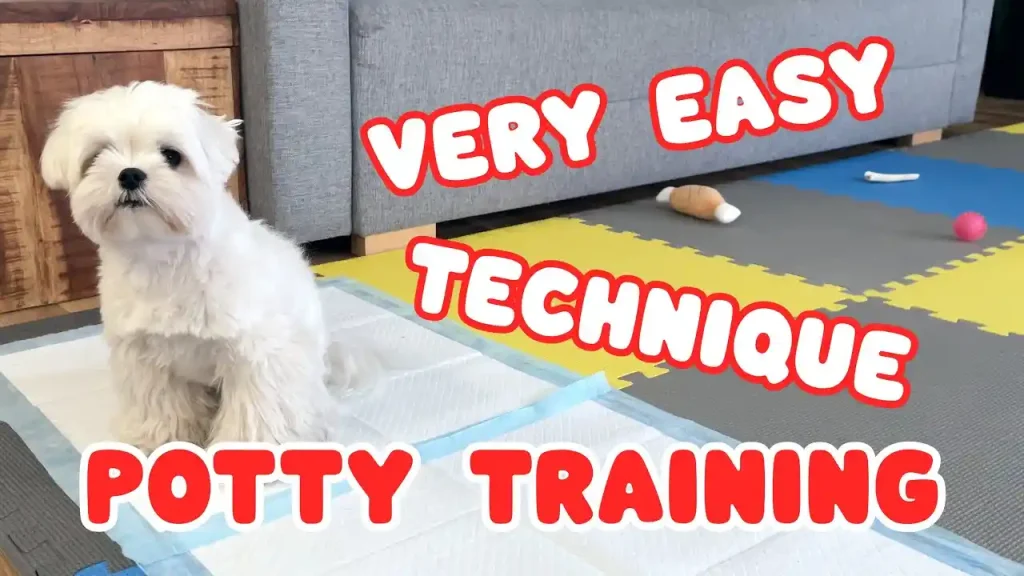
Prepare the environment before training begins. Choose the toilet location, block carpeted hiding places, and decide who handles each trip. Keep a written or digital log available to every caregiver.
Useful supplies include a secure harness and leash, tiny training treats, waste bags, an appropriate cleaner, gates or a pen, and optional pads with a stable holder. A crate can support management when introduced gradually and positively, but it is not required for every household.
Keep rewards small enough that frequent reinforcement does not displace balanced meals. Ask your veterinarian about treat quantity if the puppy has dietary or health needs.
If you sell a Maltese training kit, describe its contents, dimensions, materials, replacement requirements, and return policy accurately. Avoid claims that it produces faster or guaranteed results unless reliable comparative evidence supports them. A suitable call to action is simple: choose the setup you can keep accessible, clean, and consistent every day.
Preventing rehearsed mistakes is faster than punishing them. Supervise closely, offer a toilet trip after every trigger, reward immediately, and log results. A focused three-day reset may establish a routine, but no humane method can guarantee complete house training in three days.
Expect gradual progress rather than a fixed Maltese timeline. Some puppies learn the preferred place quickly but need longer to develop reliable control across nights, distractions, and unfamiliar settings. If accidents become more frequent or appear suddenly, ask a veterinarian to rule out illness.