
I have had owners call me in a panic after a pork chop disappeared off the counter. The real problem is not always the meat itself. The bigger risks are fat, bones, seasoning, and portion size. If you are asking can dogs eat pork, the short answer is yes for many healthy dogs when the pork is plain, fully cooked, unseasoned, and served in moderation. This guide will show you what I watch for, how I cook it, and when I send a dog straight to the vet.

Yes, many healthy dogs can eat plain, fully cooked pork in moderation. The meat itself is not toxic the way onions, garlic, chocolate, or xylitol are. What turns pork into a problem is how it is prepared, how fatty it is, whether it has bones, and how much the dog eats.
I always look at three things before saying yes. First, is the pork lean? Second, is it unseasoned? Third, is the portion tiny compared with the dog’s daily food? If all three are true, many dogs handle it fine. If the pork is fried, salted, sauced, fatty, or bone-in, I treat it as a risk.
Fact-Check Callout: Safe
Pork Cut Safety At A Glance
| Cut | Verdict | Main Risk |
|---|---|---|
| Lean tenderloin | Usually safest plain and cooked | Still needs small portions |
| Pork chop meat | Okay if bone-free, lean, plain | Bones, fat, and seasoning |
| Bacon or sausage | Avoid | Salt, fat, seasoning, nitrates |
| Cooked bones | Avoid completely | Splintering and blockage |
Yes, raw pork can be bad for dogs. I do not recommend it for most households. Raw pork can carry bacteria such as Salmonella and Listeria, plus parasites such as Trichinella. These risks can affect both the dog and the people living in the home.
Cross-contamination is easy to miss. A raw juice drop on a counter, bowl, cutting board, or hand can spread illness. Dogs may not look sick right away. Some show vomiting, diarrhea, fever, lethargy, or muscle pain later.
If your dog ate raw pork accidentally, remove access to more food, note the amount and time, and call your vet for guidance. Do not try to induce vomiting unless a professional tells you to.
I keep raw pork in a different category than raw beef or poultry for most home feeders. The parasite and bacterial risk is real, and kitchen hygiene is harder to maintain than many people expect. Some raw feeding philosophies support raw meat diets, but mainstream veterinary guidance generally warns against raw pork because of food safety concerns.
The safer comparison is simple. Properly cooked pork lowers pathogen risk. Raw pork keeps that risk higher. If you are considering raw feeding, work with a board-certified veterinary nutritionist rather than relying on social media meal plans.

No. I strongly advise against cooked pork bones. They can splinter into sharp pieces. Those pieces can cut the mouth, throat, stomach, or intestines. They can also cause choking or blockage. Blockage can lead to emergency surgery.
Raw bones are sometimes discussed in raw feeding circles, but they still carry fracture, choking, blockage, and bacterial risk. For most pet owners, the cleanest rule is this: no pork bones, cooked or otherwise, unless a veterinarian specifically recommends a supervised dental bone plan for your individual dog.
A plain, cooked, bone-free pork chop trimming can be okay in a small portion. The problem is that most pork chops served at home are not plain. They may be salted, marinated, breaded, fried, buttered, or glazed. Those extras are what cause trouble.
Remove bone and visible fat before offering any piece. Skip the crispy outer breading. Avoid gravy, garlic, onion, mustard sauces, and spice rubs. A small bite of lean meat is very different from a full seasoned chop.
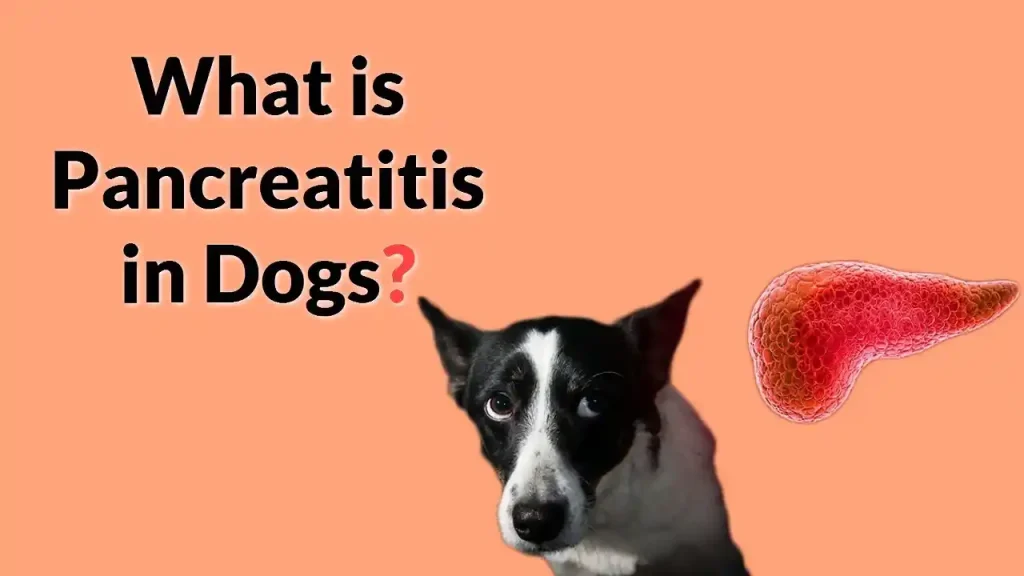
Yes, fatty pork can trigger pancreatitis in some dogs. The pancreas helps digest fat. A sudden heavy fat load can inflame it. This is not always predictable by breed or size. Some dogs tolerate fatty food fine once and become severely ill the next time.
Breeds sometimes mentioned as higher risk include Miniature Schnauzers, Yorkshire Terriers, Dachshunds, and some Spaniels, but any dog can be affected. Watch for lethargy, hunched posture, repeated vomiting, diarrhea, fever, bloated painful belly, or refusal to eat.
It depends on the amount and the type. A tiny bite of plain lean pork often causes nothing at all. A fatty rib scrap may cause soft stool or vomiting. A cooked bone or heavily seasoned roast can become an emergency.
Mild Upset Versus Emergency
| Sign | Likely Level | Action |
|---|---|---|
| Soft stool once | Mild | Observe, withhold rich food |
| Mild gas or one vomit | Mild to moderate | Observe, call vet if repeated |
| Repeated vomiting | Serious | Call vet same day |
| Bloody stool, belly pain, weakness | Emergency | Go to vet now |
Watch your dog for six to twelve hours after accidental pork eating. Note energy, appetite, vomiting frequency, stool, and belly tenderness.
Individual tolerance matters more than breed labels. Some dogs have protein sensitivity or allergy. Pork is not the most common canine allergen, but it can still trigger itching, ear issues, loose stool, or vomiting in sensitive dogs.
Other dogs need low-fat diets. Pancreatitis history, obesity, diabetes, liver disease, kidney disease, or certain gastrointestinal conditions can make pork a poor choice. I prefer one new protein at a time so owners can spot the cause quickly.
Allergy testing can help, but elimination diets supervised by a vet are often more useful for food-related symptoms.
Lean pork offers high-quality protein and amino acids dogs need for muscle maintenance. It also supplies B vitamins, zinc, phosphorus, and iron when included as part of a balanced diet. The energy value can help active dogs when portions are controlled.
But pork is not a complete diet by itself. Feeding only pork can create nutrient gaps over time. If you want a simple lean option, our Premium Lean Pork Dog Treats are made with veterinary approved recipes and portioned for small rewards.
Start small. For most dogs, pork should fit inside the common ten percent treat rule. Treats and extras should not exceed about ten percent of daily calories, with the rest coming from complete dog food.
Portion Starting Guide
| Dog Size | Starting Test Portion | Frequency |
|---|---|---|
| Small under 25 lb | A pea to thumbnail-sized bite | Occasional |
| Medium 25 to 60 lb | One small bite | Occasional |
| Large over 60 lb | One to two small bites | Occasional |
Do not replace complete meals with pork. Use it as a training reward, food topper, or occasional protein rotation after your vet approves.
Bake, boil, or grill without oil, butter, salt, rubs, garlic, onion, or sauces. Trim visible fat and remove all bones. Cook thoroughly until no pink remains and juices run clear. If you use a thermometer, pork should reach a safe internal temperature for human food safety standards.
Let the meat cool before serving. Plain boiled tenderloin is usually the simplest home option.
Download our free Homemade Dog Meal Safety Checklist before you batch cook. It covers cooling, storage, portioning, and red flags.
Yes, cooked pork can be safer than raw pork because heat reduces pathogen risk. But cooking alone does not make all pork safe. A cooked bacon strip, sausage link, or fatty rib remains a bad idea.
Focus on four checks. Is it lean? Is it plain? Is it bone-free? Is the portion tiny? If all four are true, many healthy dogs can handle an occasional bite. If any check fails, skip it.
Introduce one new protein at a time. Give a tiny test portion and watch for forty-eight to seventy-two hours. Check stool, scratching, ear odor, vomiting, gas, and energy.
Space new foods several days apart. If your dog is already itchy, has chronic diarrhea, or is on a prescription diet, ask your vet before adding pork. Do not introduce pork during a flare-up of another condition.
It depends on the cut and the individual dog. Lean pork tenderloin can be lower in fat than some beef cuts, while fatty pork belly is worse than lean ground beef for most dogs.
Beef Versus Pork
| Factor | Beef | Pork |
|---|---|---|
| Protein quality | Good | Good |
| Fat risk | Varies by cut | Often higher in popular cuts |
| Tolerance | Individual | Individual |
| Best use | Rotation protein | Occasional lean treat |
Rotate proteins responsibly. Do not switch suddenly. Keep portions small and monitor response.
Avoid heavily seasoned, cured, smoked, salted, or processed meats. Bacon, ham, sausage, salami, ribs with sauce, and lunch meats often carry too much sodium, fat, nitrates, garlic, onion, or sugar.
Spoiled meat is also dangerous. If it smells off, has been left out, or passed human safety checks, do not give it to your dog. Toxic additions matter more than the meat itself. Garlic and onion are especially risky.

Many can, but safety depends on preparation and portion. Plain, lean, fully cooked, unseasoned pork in a small amount is usually the safest route. Fat, bones, seasoning, and large portions raise the risk of sickness.
Yes, fatty pork can contribute to pancreatitis. Warning signs include vomiting, hunched posture, painful belly, lethargy, diarrhea, fever, and refusal to eat. Call a vet promptly if these appear.