
Your dog sniffs the air near the sushi restaurant. She paws at your roasted seaweed snack. Or perhaps you spotted her chewing something suspicious during a beach walk. Seaweed seems to appear everywhere in a dog’s world, and that raises an urgent question for pet owners: can dogs eat seaweed safely?
The short answer requires careful consideration. Plain, properly sourced seaweed can be safe for dogs in very small amounts. But contaminated, seasoned, or wild-harvested seaweed presents real risks that no responsible pet owner should ignore. This guide breaks down everything you need to know, from toxicology concerns to serving guidelines, so you can make confident decisions about this marine ingredient.

Most dog owners discover this question after catching their pet sniffing around sushi rolls or investigating washed-up kelp on a beach. In practice, the answer depends heavily on three factors: the type of seaweed, how it was prepared, and where it originated.
Not all seaweed is created equal. Plain edible seaweed sourced from clean waters and prepared without harmful additives is generally considered safe for canine consumption in strict moderation. However, several factors can transform seaweed from harmless to dangerous.
Environmental contamination represents the most significant risk that dog owners frequently overlook. Seaweed absorbs whatever circulates in its marine environment, much like a natural sponge. Heavy metals including arsenic, lead, and cadmium accumulate in seaweed tissue, particularly in coastal areas near industrial discharge or shipping lanes. Research published in environmental science journals has detected elevated arsenic levels in certain seaweed species harvested from polluted waters.
Bacterial contamination poses acute risks that require immediate attention. Decomposing seaweed washing ashore harbors bacteria including Vibrio species and E. coli. A dog chewing on rotting kelp can develop severe gastrointestinal distress within hours. When we observe dogs that have consumed decomposed beach seaweed, the symptoms typically appear within two to six hours. The warm, moist conditions of decomposing marine plants create ideal breeding grounds for pathogens that would not survive in fresh or properly processed seaweed.
Seasonings and additives in human food products create entirely separate toxicity concerns. A piece of roasted seaweed snack coated in sesame oil and seasoned with garlic powder may as well be labeled toxic to dogs. Garlic and onion belong to the Allium family, causing oxidative damage to canine red blood cells. This damage accumulates over time, potentially leading to hemolytic anemia even from small repeated exposures. Excessive sodium leads to sodium ion poisoning, with symptoms ranging from vomiting to seizures in severe cases.
When emergency veterinary care is required: If your dog has consumed a large quantity of seasoned seaweed, shows signs of distress within two hours of beach exposure, or displays symptoms including disorientation, difficulty breathing, or collapse, seek emergency care immediately. Do not wait to see if symptoms resolve. Prepare a sample of the consumed material if possible, as this helps veterinarians identify the toxin more quickly.
Marine plants occupy a curious nutritional space. They contain an impressive spectrum of vitamins, minerals, and bioactive compounds that sound remarkable on paper. The practical question is whether these translate to meaningful benefits for your dog.
Potential Benefits That Hold Up
Seaweed contains several nutrients that interest dog owners. Iodine is essential for thyroid hormone production. Iron supports oxygen-carrying capacity in blood. Magnesium contributes to muscle and nerve function. Antioxidants including fucoxanthin may combat oxidative stress. Dietary fiber supports digestive motility.
For dogs eating commercial complete foods, these nutrients are typically already balanced in the formulation. Adding seaweed risks disrupting that careful balance. However, for dogs on home-cooked diets or specialized raw protocols, small amounts of seaweed might fill nutritional gaps, though a veterinary nutritionist should guide such additions.
Comparing Natural Sources To Synthetic Supplements
Whole seaweed provides nutrients in their natural matrix alongside fiber and bioactive compounds that may enhance absorption. Synthetic supplements isolate individual nutrients, which can alter bioavailability and interaction effects. The nutrient package matters beyond isolated numbers. In practice, pet owners who add whole seaweed often report improved coat condition, though controlled studies in dogs remain limited.
That said, standardized supplements offer precision that whole seaweed cannot match. Whole seaweed varies dramatically in nutrient content based on species, harvest location, season, and processing method. You cannot know exactly how much iodine your dog receives from a handful of kelp. Supplement manufacturers provide consistent dosing, which matters for nutrients with narrow safety windows like iodine.
Managing Expectations
Marketing claims around seaweed often exceed the science. Statements like superfood or miracle supplement deserve healthy skepticism. Seaweed is a food, not a medicine. It provides nutrients that a balanced diet should already supply. If your dog eats a quality commercial food, seaweed supplementation offers minimal benefit. If you feed unconventional diets or your dog has specific deficiencies, seaweed might help under professional supervision.

Plain seaweed without additives presents minimal direct toxicity risk when sourced properly. Remove the salt factor, and the picture changes dramatically.
Added sodium in human seaweed products often exceeds safe thresholds for dogs. A single serving of seasoned seaweed snack can contain 100 to 200 milligrams of sodium. For a 20-pound dog, that represents a significant portion of their daily limit. Dogs require approximately 50 to 100 milligrams sodium daily depending on size and activity level, according to veterinary nutritional guidelines.
Dehydration risk escalates when sodium intake spikes. Sodium pulls water from cells into the bloodstream, increasing urine production and fluid loss. Active dogs, senior dogs, and those with kidney conditions face amplified risks. The cascading effects include increased thirst, reduced appetite, and lethargy that owners may initially attribute to other causes.
Electrolyte imbalance from high sodium intake can trigger neurological symptoms. Tremors, disorientation, and seizures have occurred in dogs consuming salt-heavy foods. While extreme cases typically involve deliberate feeding or garbage-can raids on salty foods, seaweed snacks deserve equal caution. A common pitfall is assuming that because a food is natural or plant-based, it must be safe for dogs.
Seasoned seaweed products should never be shared with dogs. This includes anything labeled seaweed salad, dried seaweed with salt, or roasted seaweed snack. Read ingredient labels carefully. If sodium appears in notable amounts, keep the product away from your pet entirely. When evaluating a new seaweed product for your dog, assume it is unsafe unless you can verify every ingredient individually.
The snack aisle presents a minefield. Human seaweed products range from minimally processed sheets to heavily seasoned culinary preparations. Knowing the difference determines whether sharing is safe.
Distinguishing human snacks from pet-safe formulations requires careful label reading. Plain dried seaweed sheets (nori) used for sushi wraps typically contain only seaweed and possibly a small amount of oil for texture. Flavored varieties add sodium, seasonings, and additives that make them unsuitable for dogs. When in doubt, do not share. Your dog does not need human snack products.
Additives that make human snacks toxic to dogs include:
Reading ingredient labels protects your dog. Look for the first ingredient. Seaweed should dominate. Check the sodium content per serving and calculate whether sharing even a small portion exceeds safe limits for your dog’s weight. Avoid anything with added flavorings, sauces, or seasonings. Commercially available pet treats made with seaweed extract or powder provide controlled dosing without the risks of human formulations.
Roasting changes seaweed in ways that affect both digestibility and safety.
How roasting alters texture and digestibility: The heating process breaks down some cell walls, potentially making nutrients more bioavailable. Texture changes from flexible sheets to crisp, brittle pieces. For dogs, this crispness introduces both benefits (easier to chew) and risks (sharp edges).
Oil-coated roasted sheets present the primary concern. Many roasted seaweed products for human consumption are pan-fried or oven-finished with oil to achieve crispness and flavor. Oil coating adds significant fat content, which can cause digestive upset in dogs unaccustomed to high-fat foods. Pancreatitis risk increases with fatty food exposure, particularly in breeds predisposed to pancreatic issues.
Plain roasted seaweed versus flavored varieties requires the same caution as dried seaweed. If the only ingredient is seaweed (perhaps with minimal oil for processing), sharing a tiny piece occasionally might be acceptable. But flavored, seasoned, or oil-heavy roasted products should stay in your bowl, not your dog’s mouth.
Recommendations for safe feeding: If you want to share roasted seaweed, choose products with the shortest ingredient lists, ideally just seaweed. Break into small pieces to prevent choking hazards. Limit to occasional treats, not regular feeding. Monitor for any digestive reaction afterward.

Dried seaweed offers some nutritional advantages over fresh, with important caveats.
Benefits of dried seaweed in small amounts: Drying concentrates nutrients, meaning smaller servings deliver more vitamins and minerals per gram. The low moisture content extends shelf life without preservatives. For dogs with access to clean, sourced dried seaweed, tiny amounts may provide minerals that complement a balanced diet.
Choking hazards with large, tough pieces deserve serious attention. Dogs do not chew thoroughly. They gulp. A large piece of dried kelp can lodge in the esophagus or cause intestinal blockage. Pieces larger than a pea pose risks, particularly for small breeds. Always break dried seaweed into swallowable fragments before offering it. This simple step prevents most serious incidents.
Hydration considerations when feeding dried marine plants are often overlooked. Dried seaweed absorbs water in the digestive tract. This can create a pseudo-fiber effect, expanding and promoting satiety. For dogs prone to constipation, this may help. For dogs prone to diarrhea, dried seaweed could exacerbate the issue. Ensure fresh water is always available when feeding dried products.
Practical guidance: Start with amounts smaller than your thumbnail. Wait 48 hours to observe reactions. If no symptoms appear, double the amount gradually. If symptoms develop, discontinue and consult your veterinarian before trying again.
This is where most veterinarians draw a firm line. Wild seaweed differs from cultivated product in ways that make beach access risky for curious dogs.
Beach and lake seaweed contamination represents the primary danger. Coastal environments concentrate pollutants. Industrial runoff, agricultural pesticides, and microplastics accumulate in marine plants. Dogs chewing on beach-cast seaweed ingest whatever contaminants that seaweed absorbed from the water. Heavy metals, petroleum compounds, and industrial chemicals concentrate in tissue over time, according to marine biology research.
Saltwater ingestion and sand consumption compound the risks. When dogs chew seaweed, they often swallow seawater along with it. Saltwater ingestion causes vomiting, diarrhea, and electrolyte disturbances. Sand consumption leads to intestinal impaction, requiring surgical intervention in severe cases. The combination of salt, sand, and contaminated seaweed creates multiple simultaneous threats that compound each other.
Bacterial growth in decomposing seaweed develops rapidly. Washed-up seaweed begins decomposing within hours. Bacteria multiply, producing toxins that cause food poisoning symptoms. Dogs lack the immune adaptations that allow marine scavengers to handle these pathogens. What smells ocean-fresh to a dog may be actively putrefying.
Preventing beach scavenging behavior requires training and management. Leash walking prevents unsupervised sniffing and chewing. Leave it commands should be reinforced at the beach before seaweed encounters occur. Teaching strong recall helps dogs respond when they discover something tempting. Carrying high-value treats helps redirect attention away from tempting finds.
If your dog eats wild beach seaweed: Contact your veterinarian immediately. Bring a sample if possible. Watch for vomiting, diarrhea, lethargy, or loss of appetite over the next 24 to 48 hours. Dehydration from saltwater ingestion may require IV fluid support.
Understanding potential outcomes helps you respond appropriately when your dog inevitably investigates something they should not.
Gastrointestinal sensitivity varies by individual dog, breed, and existing health conditions.
Breed-specific sensitivities exist. Breeds prone to sensitive stomachs, including German Shepherds, French Bulldogs, and many small terriers, may react strongly to even small amounts of new food items. Introducing seaweed to these breeds requires extra caution and slower introduction.
Fiber content creates digestive disruption when introduced suddenly. Seaweed contains soluble fiber that absorbs water and bulks stool. A dog never previously exposed to marine fiber may experience cramping, gas, and loose stools. This resolves as the digestive system adapts, but the initial period can be uncomfortable for your pet.
Sudden diet changes of any kind risk triggering GI upset. Even beneficial foods cause problems when introduced too quickly. The standard recommendation applies: introduce new foods over 7 to 10 days, starting with minute amounts and increasing gradually only if no symptoms develop.
Gradual introduction tips to reduce digestive upset: Start with a piece smaller than your fingernail. Wait 48 hours to observe reactions. If no symptoms appear, double the amount. If symptoms develop, discontinue and consult your veterinarian before trying again. This slow approach prevents both acute reactions and chronic sensitivities.
While rare, neurological symptoms have been reported in dogs consuming large amounts of seaweed.
Electrolyte disturbances from high sodium content can trigger neurological signs. When sodium levels spike dramatically, brain cells contract or swell, causing disorientation, tremors, and seizures. This typically requires ingestion of significant salt content, more than would come from a few bites of seaweed, but large-quantity consumption remains possible, especially in dogs that steal food.
Contaminant exposure presents another seizure risk pathway. Heavy metals and certain marine toxins affect neurological function over time. A dog with chronic low-level exposure may experience progressive symptoms including tremors, weakness, and seizure activity. This pathway requires laboratory diagnosis and extended treatment.
Excessive iodine intake from seaweed overconsumption may affect thyroid function, potentially creating hormonal imbalances that manifest as neurological symptoms. The mechanism involves complex thyroid hormone interactions affecting metabolism and nervous system function.
Urgent care indicators: Any seizure activity requires immediate veterinary attention. Time matters. Gather information about what your dog consumed, how much, and when symptoms began. Bring packaging, photos, or samples to help with diagnosis. Between seizures, keep your dog calm, away from stairs or water, and transport to emergency care as safely as possible.
Your dog is not alone. Veterinarians frequently hear about dogs with inexplicable seaweed cravings. Several factors explain this behavior.
Scent attraction drives much canine interest. Seaweed releases aromatic compounds as it decomposes, similar to the smell that attracts crabs and other marine scavengers. Dogs possess olfactory systems far more sensitive than human equivalents. To your dog, the smell of seaweed might be the marine equivalent of bacon sizzling in a pan.
Texture curiosity satisfies oral fixation needs. The rubbery, stringy texture provides different sensory input than typical treats. Dogs explore the world through their mouths. Unusual textures trigger investigative behavior that can become habit-forming if positively reinforced.
Beach play reinforcement creates behavioral loops. Dogs who associate beaches with excitement, chase, swimming, and exploration learn that beach environments produce rewards. Seaweed becomes part of that environmental package. They investigate everything, including things they should not eat, because the overall context predicts fun.
Mineral-seeking myths deserve debunking. The idea that dogs instinctively seek seaweed for mineral supplementation lacks scientific support. Dogs cannot taste iodine or minerals the way humans can. They cannot intelligently select nutrient-dense foods based on nutritional needs through instinct alone. If your dog craves seaweed, it is for sensory reasons, not nutritional wisdom.
Managing obsession behavior: Redirect interest to appropriate chew toys. Reward leave it commands with high-value treats. Keep seaweed products stored securely. If the obsession seems compulsive or leads to repeated ingestion, discuss with your veterinarian or a veterinary behaviorist to rule out underlying issues.
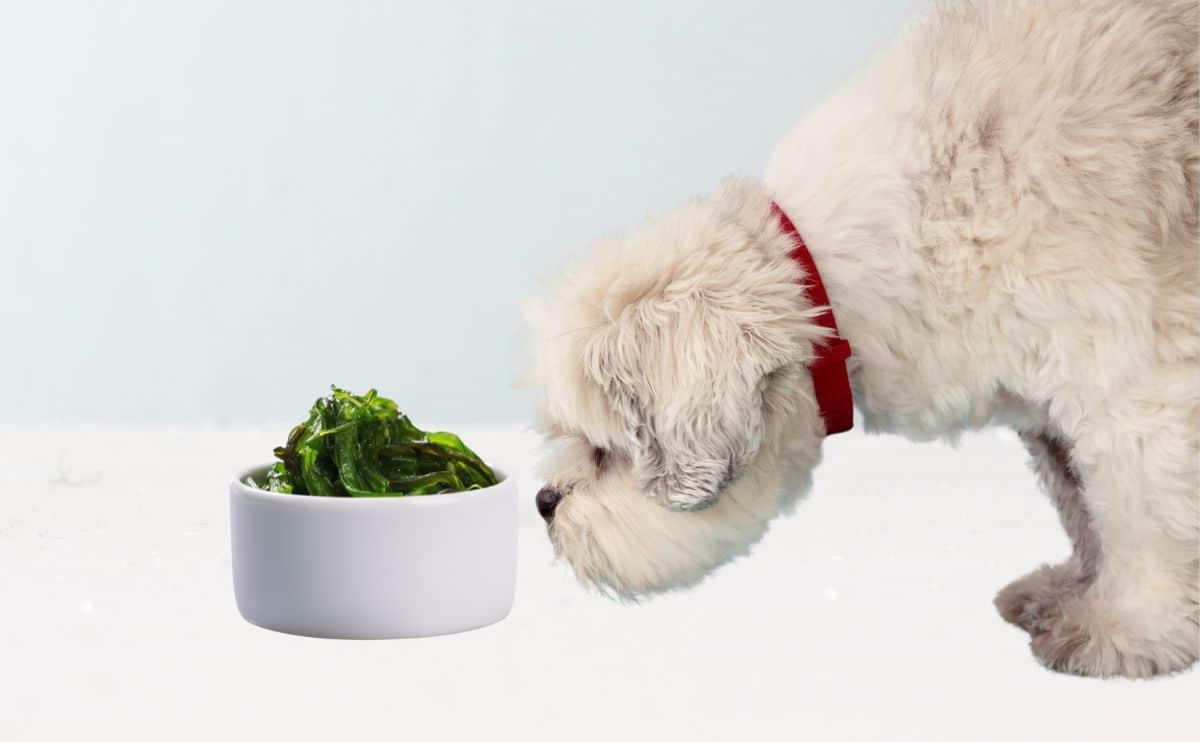
When safely sourced and properly prepared, seaweed can be offered in controlled amounts. Precision matters.
General serving guidance by weight category:
| Dog Weight | Maximum Fresh Seaweed | Maximum Powdered |
|---|---|---|
| Under 10 lbs | 1/4 gram | 1/8 teaspoon |
| 10-25 lbs | 1/2 gram | 1/4 teaspoon |
| 25-50 lbs | 1 gram | 1/2 teaspoon |
| 50-75 lbs | 1.5 grams | 3/4 teaspoon |
| 75+ lbs | 2 grams | 1 teaspoon |
These amounts assume plain seaweed without additives, fed no more than 2 to 3 times weekly.
Iodine overload prevention requires awareness. Seaweed is exceptionally iodine-rich. The human recommended intake is 150 micrograms daily. A single gram of kelp may contain 500 or more micrograms. Canine requirements are different, but excessive iodine disrupts thyroid function. Feeding seaweed more than twice weekly risks accumulation.
Seaweed should remain a supplement, not a staple. Think of it as an occasional addition to an already complete diet. Adding seaweed to meals that already contain balanced nutrition risks creating imbalances. Most dogs thrive without any seaweed whatsoever. If you want to explore seaweed supplementation, discuss it with your veterinarian first.
For precise dosing, consider our pre-measured seaweed dental powder, formulated for safe, controlled serving based on your dog’s size.
Understanding what seaweed actually contains helps contextualize the risks and benefits.
Key nutrients in edible seaweed:
Seaweed contains several nutrients that interest dog owners. Iodine is essential for thyroid hormone synthesis. Seaweeds accumulate iodine naturally from seawater. Iron supports hemoglobin production and oxygen transport in blood. Magnesium is required for muscle contraction, nerve transmission, and energy metabolism. Potassium supports heart and muscle function as an electrolyte. B vitamins including B12 (rare in plant sources) support nervous system function. Vitamin K is essential for blood clotting mechanisms. Antioxidants including fucoxanthin, polyphenols, and flavonoids combat oxidative stress.
Marine polysaccharides like alginates and fucoidans may benefit digestive health. These compounds act as prebiotics, feeding beneficial gut bacteria. Some research suggests anti-inflammatory properties, though canine-specific studies remain limited.
Whole seaweed versus processed extracts presents tradeoffs. Whole seaweed provides the complete nutrient matrix plus fiber and bioactive compounds. Extractions isolate specific compounds, often for targeted supplement applications. For general supplementation, whole products offer broader benefits. For specific therapeutic goals, extracts may provide stronger dosing.
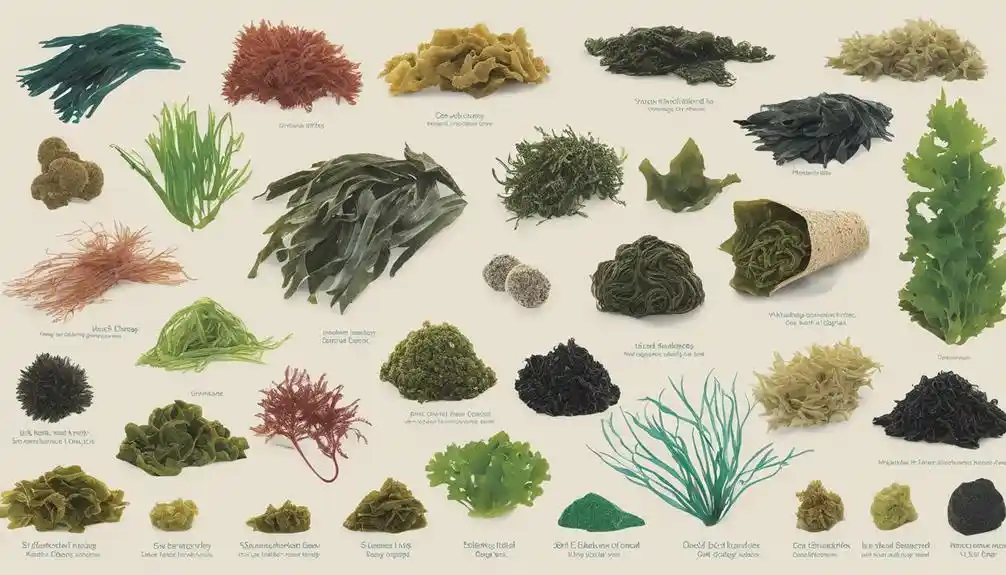
Not all seaweed is the same. Different species contain different nutrient profiles, growing regions, and safety considerations.
Ascophyllum nodosum (norwegian kelp) stands as the most studied species for canine applications. Research supports its use for dental health, coat condition, and digestive support in dogs. Commercial pet products frequently feature this species. It grows in cold North Atlantic waters with relatively low contamination risk when properly sourced.
Laminaria digitata (horsetail kelp) contains high iodine and mineral content. Sometimes used in pet supplements for thyroid support, though iodine content requires careful dosing control. Commonly harvested from clean Scottish and Norwegian waters.
Porphyra (nori) is the seaweed used for sushi wraps. Lowest iodine among common edible seaweeds, making it the most forgiving species for canine introduction. Its thin sheet format also presents minimal choking risk when torn small.
Species identification matters. Do not attempt to harvest wild seaweed for pet feeding without expert identification. Many marine plants look similar but have different safety profiles. Confusion between edible and toxic species causes unnecessary risk. Purchase seaweed products from reputable suppliers who specify species on the label.
Sourcing considerations: Choose products from clean water sources. Atlantic coastlines with low industrial activity typically produce cleaner product than coastal areas near shipping lanes or agricultural runoff. Third-party testing for heavy metals and contaminants provides assurance of safety. Request certificates of analysis when available.
Plain seaweed without added salt, seasonings, or oils can be healthy for dogs in very small amounts. It provides iodine, iron, magnesium, and antioxidants that complement a balanced diet. However, most dogs eating complete commercial food receive these nutrients already. Seaweed should be an occasional treat at most, not a regular supplement. Consult your veterinarian before adding seaweed to your dog’s diet, especially if your dog has thyroid conditions, kidney problems, or food sensitivities.
For dogs under 25 pounds, feed no more than one-half gram of plain dried seaweed no more than twice weekly. Dogs over 50 pounds can tolerate up to two grams. These amounts assume seaweed is clean, sourced from uncontaminated waters, and contains no added salt or seasonings. Exceeding these guidelines risks iodine overload and sodium exposure. If feeding seaweed weekly, discuss thyroid monitoring with your veterinarian.