
I have a confession to make. The first time I offered my dog a piece of raw butternut squash, I watched him chew it for thirty seconds, spit it out, and give me a look that said, “What is this, a rock?” That moment sent me down a research rabbit hole I never expected. I read veterinary studies, consulted AKC guidelines, and even called my vet. Here is what I learned so you do not have to guess.
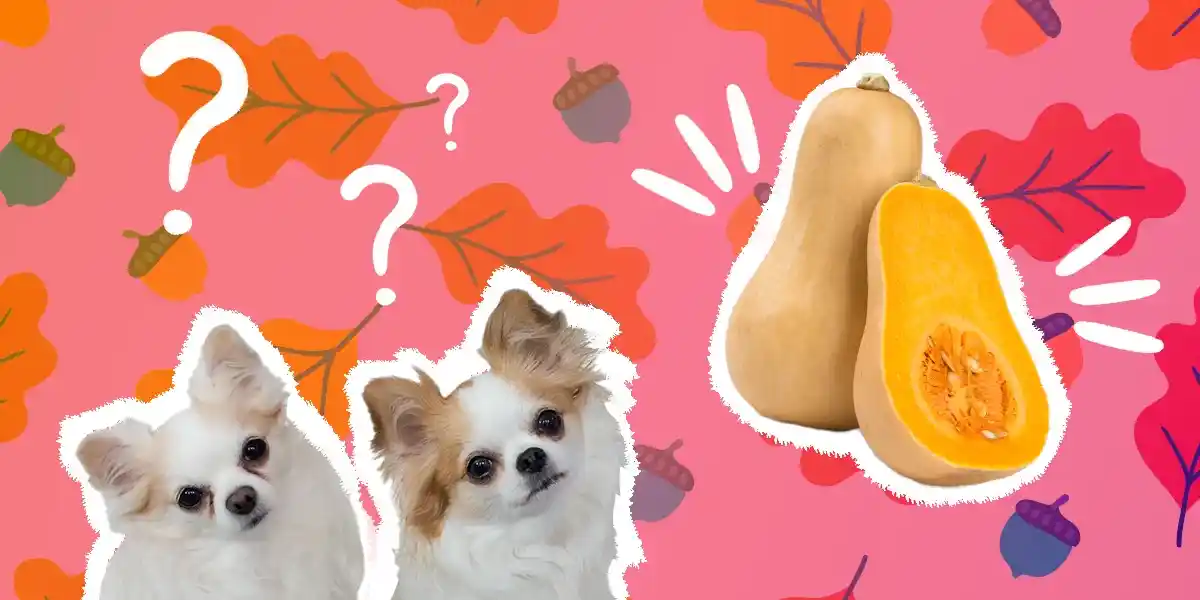
Yes, most dogs can eat squash. The American Kennel Club confirms this. Dr. Jerry Klein, AKC Chief Veterinary Officer, states that squash itself is safe for dogs “provided seeds, skin, and rinds have been removed.” The ASPCA lists common squash varieties like butternut, acorn, and zucchini as non-toxic to dogs in their official database.
Now, here is the catch. Not all squash is created equal when it comes to your dog’s digestive system. Commercially grown squash from grocery stores is safe. Wild gourds, decorative pumpkins, and ornamental squash varieties may contain cucurbitacins, which are toxic compounds that cause vomiting and diarrhea. If a squash tastes intensely bitter to you, throw it away immediately. Do not feed it to your dog.
This is one of the most common questions I get from other dog owners. Yes, plain cooked squash can help with mild diarrhea. The soluble fiber in squash absorbs excess water in the digestive tract, which helps firm up loose stools. Pumpkin is the most well-known remedy, but butternut and acorn squash work similarly.
Here is what the science says. Soluble fiber forms a gel-like substance in the gut that slows down digestion. This gives the intestines more time to absorb nutrients and water. Insoluble fiber, on the other hand, adds bulk and speeds things up. Squash contains both types, which is why it can help with both diarrhea and constipation depending on how the body needs it.
However, I need to be clear about this. If your dog has persistent diarrhea lasting more than 24 hours, or if you see blood, vomit, or lethargy, call your veterinarian. Home remedies like squash are only appropriate for mild, temporary digestive upset.
| Squash Variety | Fiber Type Profile | Best For | Preparation Notes |
|---|---|---|---|
| Pumpkin | High soluble fiber | Firming loose stools | Canned plain pumpkin (not pie filling) |
| Butternut Squash | Balanced soluble/insoluble | General digestive support | Steam or bake, peel, deseed |
| Zucchini | Low fiber, high water | Hydration, sensitive stomachs | Can be served raw in small pieces |
| Acorn Squash | Moderate fiber | Occasional digestive aid | Always peel, seeds removed |
Squash is safe for dogs when you follow three rules. First, cook it. Second, peel it. Third, remove every seed. Breach any of these three rules and you introduce unnecessary risk.
Let me break down the safety factors by the numbers. Portion size matters more than people realize. A teaspoon to one tablespoon is enough for a small dog under 20 pounds. A medium dog (20 to 50 pounds) can handle one to two tablespoons. A large dog over 50 pounds can have up to three to four tablespoons. These are treat portions, not meal replacements.
Preparation method is the make-or-break factor. Squash that is steamed or baked at 350 degrees Fahrenheit until fork-tender is ideal. Boiling works but leaches some water-soluble vitamins. Frying is never acceptable because the oil can cause pancreatitis in dogs.
The dangerous components are the skin, seeds, and stringy pulp. The skin is tough, fibrous cellulose that dogs cannot digest. It can cause intestinal blockage, especially in small breeds. The seeds are a choking hazard and can irritate the throat. The stringy interior pulp can cause digestive distress if consumed in large amounts.

No, common culinary squash is not toxic to dogs. The ASPCA Animal Poison Control Center database lists butternut squash, buttercup squash, banana squash, and zucchini as non-toxic to dogs. This is a verified, authoritative source that pet owners can rely on.
However, toxicity enters the picture in three specific scenarios.
Scenario one: spoiled or moldy squash. Mold on squash can produce mycotoxins that cause neurological symptoms in dogs. If the squash has soft spots, mold, or an off odor, throw it in the compost bin.
Scenario two: seasoned squash. Garlic and onion powder are toxic to dogs. They damage red blood cells and can cause hemolytic anemia. Salt can lead to sodium ion poisoning. Butter causes pancreatitis. Any squash that has been cooked with these ingredients is dangerous, not the squash itself.
Scenario three: ornamental or wild gourds. These decorative squashes sold during fall are bred for appearance, not consumption. They may contain elevated levels of cucurbitacins, which are bitter-tasting compounds that cause severe gastrointestinal distress.
Here is the honest answer. Squash is fine for dogs occasionally, but every day is excessive. The problem is not toxicity. It is fiber overload. Too much dietary fiber can cause bloating, gas, and loose stools. I have seen owners switch from zero squash to daily squash and wonder why their dog suddenly has diarrhea.
The safe approach is to introduce squash gradually. Start with half a teaspoon mixed into their regular food. Wait 24 hours. Watch for signs of digestive upset. If everything looks good, you can increase the portion slowly over one to two weeks.
No, squash should not be fed every day as a standalone treat. The 10 percent rule is the gold standard here. Treats of any kind, including squash, should not exceed 10 percent of your dog’s daily caloric intake. The other 90 percent must come from a complete and balanced commercial dog food.
Let me give you a practical example. A 30-pound dog needs roughly 700 to 800 calories per day. Ten percent of that is 70 to 80 calories. One tablespoon of cooked butternut squash contains about 10 calories. That means you could feed up to seven tablespoons and stay within the treat limit, but that would crowd out other nutritional variety.
Rotation is the smarter strategy. Alternate squash with other dog-safe vegetables like green beans, carrots, and cucumber. This provides a wider range of nutrients and reduces the risk of any single food causing digestive issues.
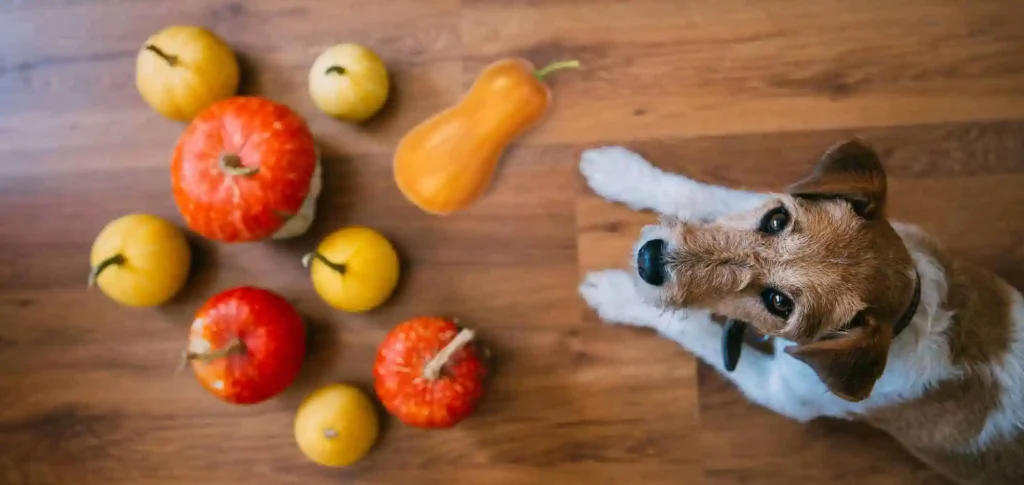
I do not recommend feeding raw squash to dogs. I tested this myself with my dog and the result was predictable. He could not break down the hard, fibrous flesh. He swallowed a piece whole, gagged, and brought it back up. That scared me enough to research the risks.
Raw squash is tough. Really tough. The cell walls in raw squash are rigid and require significant chewing to break down. Most dogs, especially small breeds, do not chew thoroughly enough. This creates two risks: choking and gastrointestinal blockage.
There is also a digestion issue. Dogs produce less amylase than humans. Amylase is the enzyme needed to break down complex carbohydrates. Cooking squash breaks down the starches and cellulose, making the nutrients bioavailable. Without cooking, much of the nutritional value passes through undigested.
Yes, cooked squash is the gold standard for safety and digestibility. Steaming and baking are the best methods. Both soften the flesh without introducing any harmful additives.
Here is my step-by-step preparation routine:
Never add butter, oil, salt, sugar, garlic, onion, or any spice. These additives are where the danger hides. Plain squash is safe. Squash with seasoning is a gamble. Dr. Klein from the AKC advises that squash fed to dogs should be “plain, without any butter” and warns against onion, salt, and garlic salt.
| Preparation Method | Safety Level | Digestibility | Nutrient Retention | Notes |
|---|---|---|---|---|
| Steaming | Excellent | High | High | Best overall method |
| Baking | Excellent | High | High | Good for larger batches |
| Boiling | Good | High | Moderate | Some vitamins lost in water |
| Microwaving | Good | High | Moderate | Uneven heating, stir well |
| Raw | Poor | Low | High | Choking hazard, hard to digest |
| Frying | Not safe | N/A | N/A | Oil causes pancreatitis |
No, you should remove butternut squash seeds before feeding. Here is why this matters. Seeds are a choking hazard, especially for small dogs. They can also cause intestinal blockage if swallowed whole. The seed coat is tough and fibrous, making it difficult for dogs to digest.
The good news is that butternut squash seeds are not toxic. If your dog accidentally eats one or two, do not panic. Watch for signs of discomfort over the next 24 hours. If you see vomiting, refusal to eat, or straining to poop, call your vet.
What about grinding seeds into a powder? Some owners grind pumpkin or squash seeds into a fine powder and sprinkle it over food as a digestive aid. The seeds contain zinc, magnesium, and healthy fats. However, the risk of improper grinding leaving larger fragments means I recommend sticking with seed removal for safety.
No, butternut squash skin is not safe for dogs. The skin is tough, fibrous cellulose. Dogs cannot break it down with their digestive enzymes. It passes through the digestive system largely intact, which creates a risk of intestinal irritation or blockage.
I learned this lesson the hard way. I once left small pieces of skin on a batch of squash I prepared for my dog. He vomited undigested skin particles six hours later. Since then, I peel every piece of squash twice before cooking. Peeling is not optional. It is mandatory.
For small breeds under 15 pounds, the risk is even higher. A piece of skin that seems small to you can lodge in a narrow esophagus or intestinal tract. Surgery to remove an intestinal blockage can cost thousands of dollars and carries its own risks. A few minutes with a vegetable peeler prevents all of this.
Yes, dogs can eat spaghetti squash, but prepare it differently. Spaghetti squash has a unique stringy texture that separates into noodle-like strands when cooked. This texture is fun for humans but presents a challenge for dogs.
The strands can be long and stringy, which increases the risk of gagging. Cut the cooked strands into shorter pieces before serving. Think of it like cutting spaghetti noodles for a toddler. The shorter the strand, the lower the choking risk.
Spaghetti squash is lower in calories and sugar compared to butternut or acorn squash. This makes it a good option for overweight dogs. However, its higher water content means it provides less fiber per serving. Do not rely on spaghetti squash alone for digestive support.
Yes, acorn squash is safe and nutritious for dogs. Dr. Jerry Klein of the AKC specifically names acorn squash as one of the best types to feed your dog. It contains vitamin B6, magnesium, potassium, and vitamin C.
Acorn squash has a slightly tougher rind than butternut squash. Peeling is essential. The rind is thick and can cause intestinal damage if swallowed. Cut the squash in half, scoop out the seeds, peel the skin, cube the flesh, and cook until soft.
One unique benefit of acorn squash is its magnesium content. Magnesium supports muscle and nerve function. A 100-gram serving of cooked acorn squash provides about 10 percent of a medium dog’s daily magnesium requirement. This makes it a meaningful nutritional addition rather than empty filler.
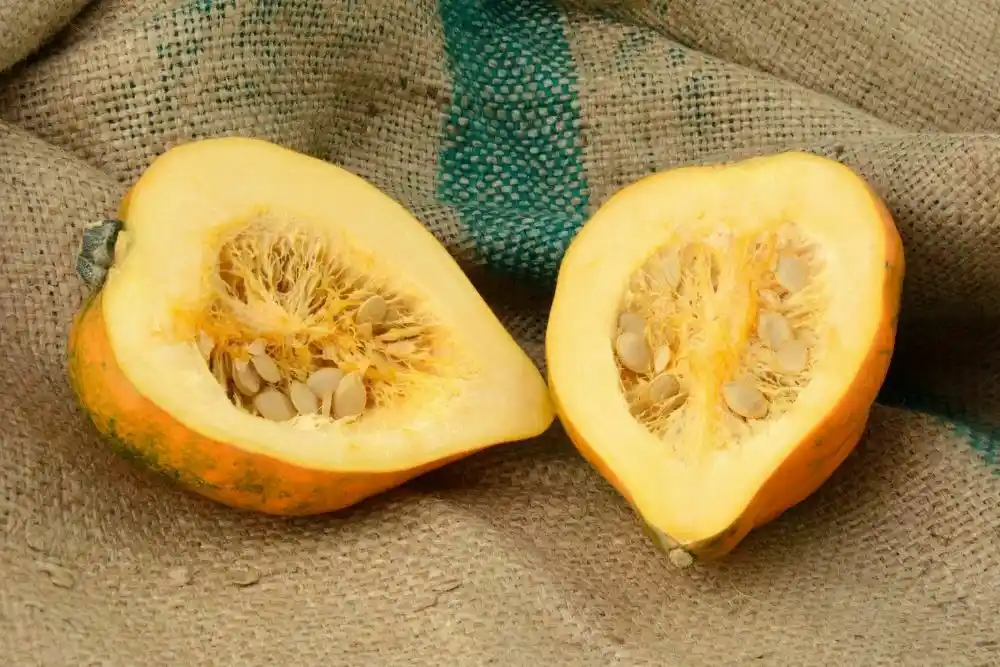
Yes, chayote squash is safe for dogs. Chayote is a lesser-known green squash with a mild flavor and crisp texture. It belongs to the same gourd family as butternut and acorn squash.
Chayote is unique because it has a softer, edible skin. However, I still recommend peeling it for dogs. The skin, while softer than butternut skin, can still cause mild digestive irritation. The seed in the center is also edible but should be removed to be safe.
Chayote is lower in calories than winter squash varieties. A 100-gram serving contains only 19 calories. It also provides vitamin C, folate, and potassium. This makes chayote an excellent low-calorie training treat alternative.
| Squash Variety | Calories per 100g | Key Nutrients | Skin Edible for Dogs? | Best Prep Method |
|---|---|---|---|---|
| Butternut Squash | 46 | Vitamin A, C, potassium | No | Steam or bake |
| Acorn Squash | 40 | Magnesium, B6, vitamin C | No | Bake, peel thoroughly |
| Spaghetti Squash | 31 | Vitamin C, B6, fiber | No | Bake, cut strands short |
| Chayote Squash | 19 | Vitamin C, folate, potassium | Conditional, peel anyway | Steam or boil |
Let me walk through the specific health benefits, backed by what the research shows.
Immune support from antioxidants. Squash is rich in beta-carotene, which the body converts to vitamin A. Vitamin A supports immune function, vision, and skin health. Orange-fleshed squash like butternut and acorn have the highest beta-carotene content. One cup of cooked butternut squash provides over 400 percent of the daily vitamin A requirement for a 30-pound dog.
Digestive support from fiber. The fiber content in squash helps regulate bowel movements. Soluble fiber absorbs water and helps firm loose stools. Insoluble fiber adds bulk and helps move food through the digestive tract. This dual action is why squash can help with both diarrhea and constipation.
Hydration from high water content. Squash is 85 to 90 percent water by weight. This makes it a hydrating treat, especially during hot summer months. Dogs that do not drink enough water can benefit from the moisture content in cooked squash.
Weight management support. Squash is low in calories and high in fiber. The fiber creates a feeling of fullness without adding significant calories. For overweight dogs, replacing high-calorie treats with squash can support a gradual, healthy weight loss plan.
Yes, puppies can eat squash, but with extra precautions. Puppies have more sensitive digestive systems than adult dogs. Their gut microbiome is still developing, and sudden dietary changes can cause significant distress.
Start with a tiny portion. A quarter teaspoon of plain, cooked, mashed squash is enough for a puppy under 6 months old. Mix it thoroughly into their regular food. Watch for any signs of loose stool or vomiting over the next 24 hours.
Do not make squash a daily staple for puppies. Puppies need a carefully balanced diet to support rapid growth. Too much fiber can interfere with nutrient absorption, particularly calcium and fat-soluble vitamins. This can impact bone development.
Always consult your veterinarian before introducing any new food to a puppy under 12 weeks old. Puppies have specific nutritional requirements that differ from adult dogs. What is safe for an adult dog may not be appropriate for a growing puppy.
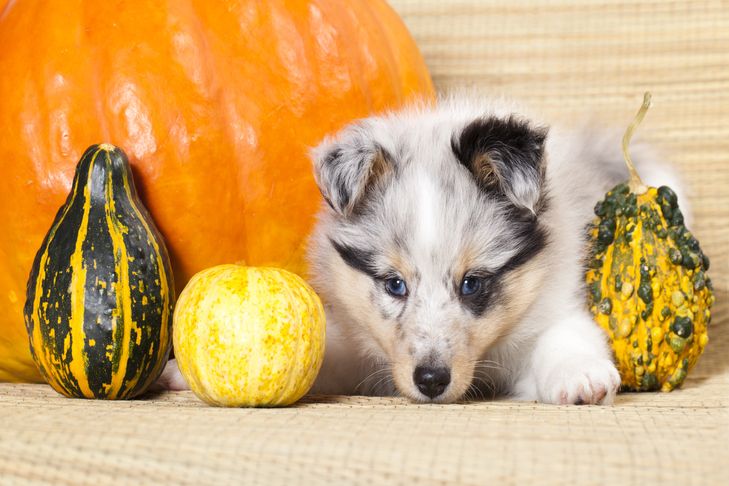
No food is completely risk-free, but squash comes close when prepared correctly. The risks come from improper preparation, not the squash itself. Remove the skin, remove the seeds, cook it plain, and serve in moderation. Follow these four rules and the risk is minimal. The only exception is dogs with specific health conditions like diabetes, pancreatitis, or kidney disease. For these dogs, consult your veterinarian before introducing squash.
Squash provides vitamins A and C, fiber, potassium, magnesium, and antioxidants. These nutrients support immune function, digestive health, skin health, and muscle function. The beta-carotene in orange squash varieties acts as a powerful antioxidant that helps reduce inflammation. The high water content also supports hydration. Remember that these benefits come from plain, cooked squash served as a supplement to a complete and balanced diet, not as a replacement.