
If your dog stole a French fry, I would not panic, but I would not make it a habit either. Can dogs have French fries? A tiny bite of a plain fry may not make many dogs sick, but fries are still a poor treat because they are usually greasy, salty, and sometimes seasoned with toxic ingredients. In this guide, I’ll walk you through the real risks, what to watch for, when to call a veterinarian, and safer swaps.
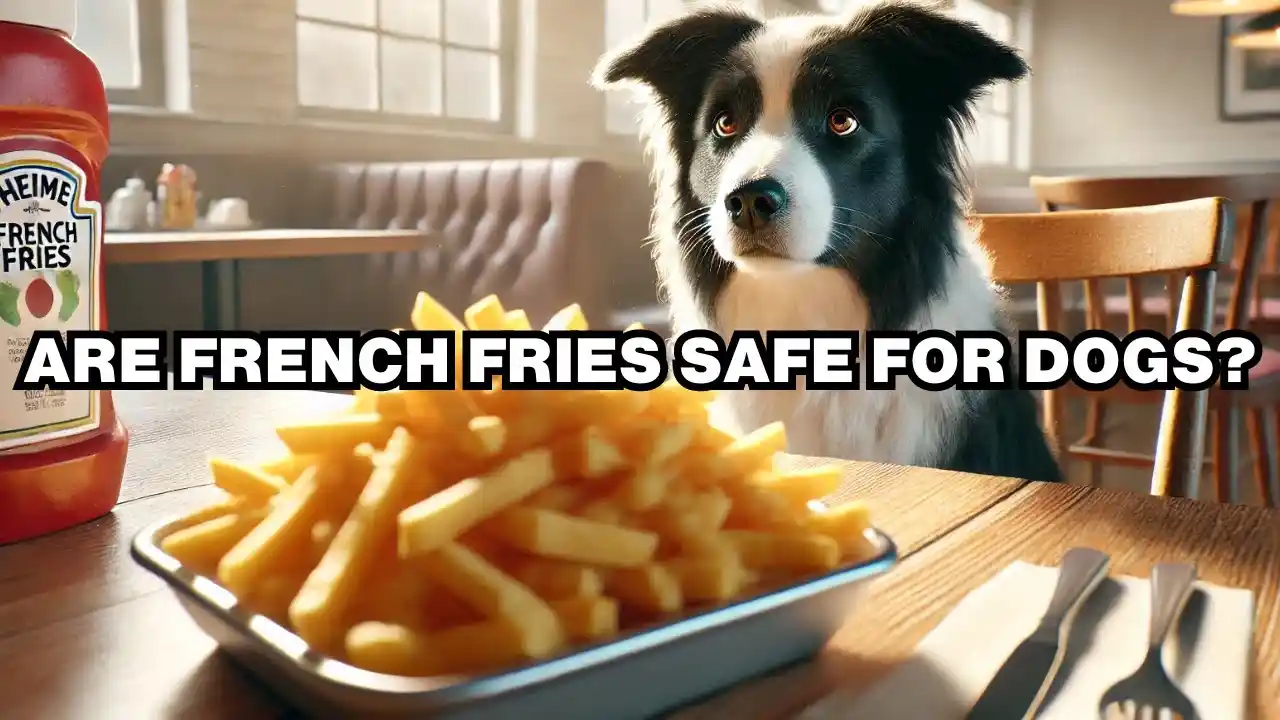
Dogs should not eat French fries as a regular treat. A small plain fry may not cause a problem for a healthy medium or large dog, but French fries are not nutritionally appropriate for dogs. They add fat, sodium, and calories without giving your dog meaningful nutrition.
The real issue is not one plain bite. The problem is repeated feeding, large portions, salty fast-food fries, and fries cooked with seasonings. Dogs need balanced meals built around protein, essential fats, vitamins, and minerals. French fries do not support that balance.
Here’s the thing: a dog’s body is not built to handle greasy, salty snack foods the way many people do. Even when a dog seems fine afterward, that does not mean fries are safe.
| French Fry Situation | Risk Level | What I Would Do |
|---|---|---|
| One plain fry | Lower risk | Watch for mild stomach upset |
| Several salted fries | Moderate risk | Offer water and monitor closely |
| Fries with garlic or onion seasoning | Higher risk | Contact a veterinarian |
| A whole order of fries | Higher risk | Call a vet or poison helpline |
Yes, some dogs can eat a small piece of plain French fry without showing symptoms. That does not mean French fries are safe or good for them. Risk depends on your dog’s size, health, how many fries they ate, and how the fries were prepared.
A large healthy dog that eats one unsalted fry may seem completely normal. A toy breed that eats a handful of greasy fries may have vomiting, diarrhea, or abdominal pain. Dogs with past pancreatitis, kidney concerns, heart disease, or weight issues may be more sensitive.
The absence of symptoms can be misleading. Some problems take time to show, and repeated “tiny treats” can add up.
Sweet potato fries are not a safe upgrade if they are fried, salted, or seasoned. Plain cooked sweet potato can be a better option, but sweet potato fries still carry many of the same risks as regular fries.
Sweet potatoes contain fiber and nutrients, but frying changes the equation. Oil adds fat. Salt adds sodium. Seasonings may add toxic ingredients. If I wanted to offer sweet potato to a dog, I would choose plain boiled, baked, or steamed sweet potato with no butter, oil, salt, sugar, garlic, or onion.
| Option | Better For Dogs? | Why |
|---|---|---|
| Regular French fries | No | High fat, salt, low nutrition |
| Sweet potato fries | Usually no | Often fried and seasoned |
| Plain cooked sweet potato | Yes, in moderation | Lower fat and more useful nutrients |
| Raw potato pieces | No | Hard to digest and not ideal |

Yes, French fries are unhealthy for dogs because they are usually high in fat, sodium, and calories while offering little nutritional value. They are “empty calories,” which means they fill your dog up without supporting a balanced diet.
Frequent fries can also train your dog to beg for salty human food. That may sound small, but it can quietly push healthier food out of the routine. Over time, extra calories can contribute to weight gain, and excess sodium may be risky for dogs with heart, kidney, or blood pressure concerns.
For general pet nutrition guidance, I would use credible veterinary sources such as FDA Pet Food information rather than social media advice.
Practical example: If a dog gets “just a few fries” several times a week, those snacks become part of the diet. That is when a harmless-looking habit becomes a health problem.
Yes, greasy high-fat foods like French fries can contribute to pancreatitis in dogs, especially in sensitive dogs. Pancreatitis means inflammation of the pancreas, an organ that helps with digestion and blood sugar control.
According to the Merck Veterinary Manual, pancreatitis in dogs is linked with digestive signs such as vomiting, abdominal pain, and loss of appetite. That does not mean every fry causes pancreatitis. It means fatty food can be a trigger, especially when the portion is large or the dog is already at risk.
Dogs at higher risk may include:
But that’s not all. Pancreatitis can become serious quickly. Watch for vomiting, a hunched posture, belly pain, weakness, or refusal to eat.
Yes, heavily salted fries can contribute to sodium-related illness, especially if a dog eats a lot or cannot drink enough water. Salt toxicity is more concerning when the fries are extremely salty, eaten in large quantities, or paired with dehydration.
Dogs need some sodium, but too much can be dangerous. Symptoms may include extreme thirst, vomiting, diarrhea, weakness, tremors, confusion, or seizures. If your dog shows neurological signs, treat it as urgent.
For poison-related concerns, the ASPCA Poison Control center is a useful authority to know. Your veterinarian can also tell you whether your dog’s amount eaten is concerning based on size and health history.
| Possible Sign | What It May Mean | Suggested Action |
|---|---|---|
| Mild thirst | Salt exposure | Offer water and observe |
| Vomiting once | Stomach upset | Monitor closely |
| Repeated vomiting | Possible serious issue | Call a veterinarian |
| Tremors or collapse | Emergency concern | Seek urgent care |

Yes, garlic and onion seasonings on fries can be toxic to dogs. Powdered garlic and onion can be especially concerning because they are concentrated and easy to hide in flavored salts, seasoning blends, and fast-food coatings.
Garlic and onion can damage a dog’s red blood cells, which may lead to anemia. Repeated small exposures may also matter, so “just a little seasoning” is not something I would ignore.
The Pet Poison Helpline explains that garlic exposure can be harmful to pets. If your dog ate fries with garlic powder, onion powder, ranch seasoning, barbecue seasoning, or “seasoned salt,” contact your vet for case-specific advice.
Buyer Beware: Many restaurant fries are not simply potato, oil, and salt. Seasonings, coatings, shared fryers, sauces, and dips can add new risks.
Many dogs that eat a small amount of plain fries may only have mild digestive upset, or no obvious symptoms at all. Larger amounts, salty fries, greasy fries, or seasoned fries raise the risk of a more serious reaction.
Mild signs can include gas, soft stool, diarrhea, drooling, or tiredness. More concerning signs include repeated vomiting, belly pain, refusal to eat, weakness, tremors, or collapse.
| If Your Dog Ate | Watch For | Next Step |
|---|---|---|
| One plain fry | No symptoms or soft stool | Observe at home |
| A few salted fries | Thirst, vomiting, diarrhea | Monitor and call if symptoms appear |
| Many fries | Vomiting, belly pain, lethargy | Contact a veterinarian |
| Seasoned fries | Weakness, pale gums, vomiting | Call a vet or poison helpline |
[Case Study Placeholder: A real example of a small dog developing vomiting after eating greasy table scraps, reviewed by a veterinarian.]
Yes, you should monitor your dog after eating French fries, especially if the amount was more than a small bite. Home observation may be reasonable for a healthy dog that ate one plain fry and acts normal, but symptoms change the plan.
Use this quick checklist:
Branching Quiz: What Should I Do Now?
Did your dog eat garlic or onion seasoning?
If yes, contact your veterinarian. If no, go to question two.
Did your dog eat a large amount for their body size?
If yes, call your veterinarian for advice. If no, go to question three.
Is your dog vomiting repeatedly, weak, shaking, or painful?
If yes, seek veterinary help. If no, go to question four.
Is your dog healthy and acting normal after one plain fry?
If yes, observe and avoid giving more. If no, ask your vet what to do.
So what does this look like in practice? Write down what your dog ate, when it happened, and any symptoms. That simple note can help your vet make a faster decision.
Contact a veterinarian if your dog ate a large quantity of fries, has symptoms, ate seasoned fries, or has a known health condition. Repeated vomiting, severe diarrhea, collapse, tremors, weakness, belly pain, or pale gums are red flags.
You should also call sooner if your dog is very small, elderly, pregnant, diabetic, overweight, or has a history of pancreatitis, heart disease, kidney disease, or digestive problems.
Consensus And Authoritative Sources: Veterinary references generally agree on the same practical message: fatty foods can upset digestion, high salt can be dangerous in excess, and garlic or onion ingredients are not safe for dogs.
Healthier alternatives include plain dog-safe vegetables, small amounts of lean cooked meat, or treats made for dogs. The best swap depends on your dog’s size, health, and daily calorie needs.
Try plain options such as carrots, green beans, cucumber slices, or small pieces of plain cooked sweet potato. Plain boiled chicken can also work in moderation if your dog tolerates it. Avoid butter, salt, sauces, garlic, onion, and spicy seasoning.
| Alternative | How To Serve | Why It Is Better |
|---|---|---|
| Carrot sticks | Raw or lightly cooked | Crunchy and low fat |
| Green beans | Plain and cooked | Filling without grease |
| Cooked sweet potato | Plain cubes | More nutritious than fries |
| Boiled chicken | Small plain pieces | Protein-rich treat |
Selling Point: Explore our vet-approved healthy dog treat options designed to satisfy cravings without risking your dog well-being.
| Claim | Status | Human Review Needed |
|---|---|---|
| Garlic and onion are toxic to dogs | Supported by veterinary poison sources | Confirm source link |
| High-fat foods may trigger pancreatitis | Supported by veterinary references | Vet review recommended |
| Salt toxicity can cause neurological signs | Supported by poison control guidance | Vet review recommended |
| Product treats are vet-approved | Must be verified | Documentation required |

I would avoid using French fries as an occasional treat. One plain fry may not hurt many healthy dogs, but it still teaches a bad habit and adds fat, salt, and calories. A safer routine is to keep dog-friendly treats ready before your dog starts begging.
Sweet potato fries are only slightly better if they are still fried, salted, or seasoned. Plain cooked sweet potato is the safer choice. Serve it in small pieces with no oil, butter, salt, garlic, onion, sugar, or sauce.