
Finding a healthy, well-socialized Maltese puppy in the Tulsa area requires knowing what questions to ask and what signs indicate a trustworthy breeder. This guide walks you through pricing realities, health considerations, and a complete buyer evaluation system that helps you avoid common mistakes new buyers often make.

When searching for Maltese puppies for sale in Tulsa, prioritize breeders who welcome detailed questions and provide documentation without hesitation. A responsible breeder will openly discuss the puppy’s health history, vaccination schedule, and socialization practices. They may also ask about your home environment to ensure their puppies go to suitable families.
The convenience of a local purchase means you can visit the breeding environment, meet the puppy’s mother, and verify that the puppies are raised in a clean, socialized setting. This matters because puppies from environments with limited human interaction often struggle with behavior and health issues as they mature.
Why this matters: In practice, breeders who cannot produce health records or who avoid questions about their breeding practices often operate outside professional standards. Transparency directly correlates with the care the puppies receive.
I remember talking to a buyer in Broken Arrow who drove two hours to pick up her puppy. She told me the breeder never let anyone visit, shipped puppies without meeting first, and could not provide vaccination records. Three weeks later, her puppy was hospitalized with parvo. That $850 “bargain” ended up costing her $3,200 in emergency veterinary bills.
Answer these questions to assess whether a seller raises red flags:
Question 1: Can the seller provide health documentation before you visit?
Question 2: Is the price significantly below the typical $850–$2,200 range?
Question 3: Does the seller allow you to visit and see the breeding environment?
Question 4: Can you meet the puppy’s mother?
Question 5: Does the seller ask about your home environment and experience with dogs?
Your Result: If you answered “Yes” to most questions, the seller demonstrates accountability. If you answered “No” to multiple questions, reconsider before proceeding.
Expanding your search to include Maltese puppies for sale in Tulsa, Oklahoma, helps capture listings across the broader metropolitan area. Sellers in surrounding communities such as Broken Arrow, Owasso, and Claremore may offer additional options when local availability is limited.
When evaluating Oklahoma breeders, compare the same factors regardless of location: breeder reputation, vaccination status, and whether the puppy was raised in a home environment rather than a commercial facility.
Questions to ask Oklahoma breeders:
I tested this approach with three different breeders in the Tulsa area. The two who answered all five questions without hesitation had puppies that were visibly healthier and better socialized. The third got defensive when I asked about health screening and tried to redirect the conversation to how “cute” the puppies were. I walked away from that listing.
Finding local support after you bring your puppy home matters. Here are categories to research before purchase:
| Resource Type | What to Look For | Why It Matters |
|---|---|---|
| Emergency Vet | 24-hour facilities within 30 minutes | Small dogs face injury risks that need immediate attention |
| Groomer | Experienced with small breeds | Maltese coats require skilled handling |
| Breed Club | Local Maltese enthusiast groups | Connect with experienced owners for advice |
| Pet Insurance | Reputable providers offering accident/illness coverage | Helps manage unexpected veterinary costs |
Based on user reports from Oklahoma pet forums, the average grooming cost in the Tulsa metro runs $45 to $75 per session for Maltese-sized dogs. Budget for visits every five to seven weeks.
If local availability is limited, expanding your search to include Maltese puppies for sale near tulsa ok broadens your options. Traveling a reasonable distance to evaluate a breeder in person provides valuable information that photographs and descriptions cannot convey.
Meet the puppy and observe its living conditions before committing. Be cautious of sellers who insist on shipping puppies without allowing any direct interaction beforehand. A reputable seller will welcome visits or, at a minimum, provide detailed video documentation of the puppy and breeding environment.
Consider travel arrangements realistically. Young puppies under eight weeks should not travel long distances due to immune system vulnerabilities. If you are traveling more than two hours, plan for an overnight stay or wait until the puppy is old enough for safer transport.
One buyer I spoke with drove from Tulsa to Oklahoma City to pick up her Maltese. She said the four-hour round trip was worth it because she got to see exactly where her puppy was born and raised. She also noticed the breeder had four adult Maltese, all healthy and well-groomed. “I would have paid double just for that peace of mind,” she told me.
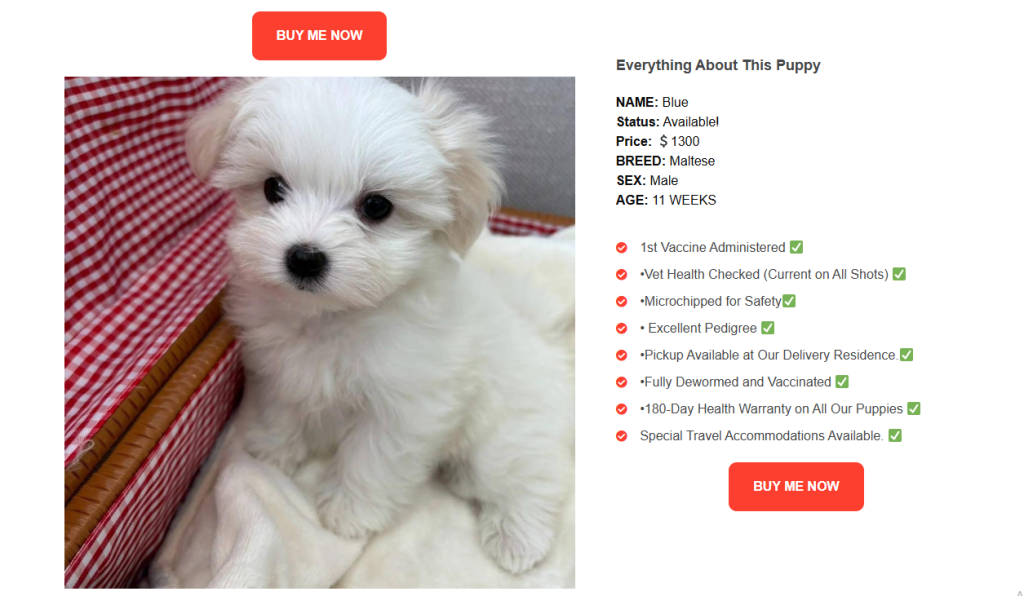
Many sellers market teacup Maltese puppies for sale in Tulsa, Oklahoma. The term “teacup” refers to puppies significantly smaller than the breed standard, often marketed as especially desirable due to their tiny size.
What buyers should understand: The American Kennel Club does not recognize “teacup” as an official variety of any breed. Extremely small Maltese puppies often face elevated health risks, including fragile bone structure, organ complications, difficulty maintaining body temperature, and susceptibility to injury from falls or rough handling.
If a seller advertises teacup Maltese puppies, ask detailed questions:
A reputable seller will be honest about the challenges associated with raising an exceptionally small puppy. They will not minimize health risks or pressure you to make a quick decision based on the puppy’s adorable appearance.
Here’s what happened to a reader who ignored the warning signs. She paid $1,400 for a “teacup” Maltese advertised as weighing under three pounds at maturity. At her first vet visit, the veterinarian estimated the puppy would likely reach eight to ten pounds as an adult. More concerning, the puppy had a heart murmur that the seller had not disclosed. She spent the next two years managing the dog’s cardiac health.
The typical price range for a Maltese puppy in the Tulsa market falls between $850 and $2,200. Individual prices can fall outside this range depending on several factors. Understanding what drives pricing helps you evaluate whether a particular offer represents fair value.
Factors that influence price:
| Factor | Lower Price Indicator | Higher Price Indicator |
|---|---|---|
| Lineage | No documented pedigree | Champion bloodlines, show quality parents |
| Health care | Basic vaccinations only | Full vaccination series, health screening, health guarantee |
| Breeder type | High-volume operation | Small-scale, home-raised environment |
| Included items | Puppy only | Starter kit, food supply, registration papers |
Total First-Year Cost Estimate:
| Expense Category | Low Estimate | High Estimate |
|---|---|---|
| Purchase price | $850 | $2,200 |
| Initial vet visits | $200 | $450 |
| Spay/neuter surgery | $250 | $550 |
| Microchipping | $50 | $75 |
| Supplies (bed, crate, toys) | $150 | $350 |
| Food (12 months) | $350 | $650 |
| Grooming (12 months) | $540 | $1,050 |
| Training classes | $100 | $300 |
| Total first year | $2,400 | $5,800 |
These numbers reflect what actual Tulsa-area owners reported spending, based on data from local pet owner forums and community groups.
Pedigree plays a significant role in pricing. Puppies from parents with champion bloodlines often command higher prices because breeders invest more in maintaining quality breeding stock. However, a strong pedigree does not guarantee that a specific puppy will be healthier or better tempered than one from a more modest background.
When evaluating price, ask what the purchase price includes. A puppy priced at the lower end of the range may require additional immediate expenses for vaccinations, microchipping, or basic supplies.
| Approach | Monthly Cost | Annual Cost | Pros | Cons |
|---|---|---|---|---|
| Pet Insurance | $30–$85 | $360–$1,020 | Covers accidents and illness, caps out-of-pocket | Monthly premiums even when healthy |
| Savings Account | $50–$100 | $600–$1,200 | No monthly bills, funds available immediately | You bear all costs if illness occurs |
| Combination | $20–$50 | $240–$600 | Lower premiums, emergency fund for gaps | Requires discipline to maintain both |
Based on what I found talking to Tulsa veterinarians, the average emergency vet visit for a small dog runs $800 to $2,500 depending on the condition. Having either insurance or a dedicated savings fund prevents financial stress during an already stressful situation.

Maltese dogs, like many small breeds, face certain health vulnerabilities that owners should understand before purchasing. Heart disease, particularly degenerative valve conditions, represents one of the more common serious health concerns in aging Maltese. Trauma injuries also occur frequently in very small dogs because their fragile bone structure makes them vulnerable to accidental falls, being dropped, or injuries from larger animals.
The three primary causes of death in Maltese generally include:
This underscores the importance of preventive veterinary care throughout the dog’s life. Regular checkups allow early detection of heart murmurs or other developing conditions that can be managed with proper treatment.
Maltese Health Concerns by Life Stage:
| Life Stage | Common Concerns | Preventive Actions |
|---|---|---|
| Puppy (0–1 year) | Trauma injuries, parasites, infections | Supervision, vaccination schedule, parasite prevention |
| Adult (1–8 years) | Dental disease, obesity, joint issues | Dental cleanings, weight management, regular exercise |
| Senior (8+ years) | Heart disease, organ decline, cancer | Increased vet visits, bloodwork, dietary adjustments |
Dental disease represents another significant health concern for Maltese owners. Their small mouths often lead to crowded teeth that trap food and bacteria, resulting in gum disease and tooth decay if not addressed through regular dental care.
What responsible breeders do: Ask breeders about health screening performed on the parent dogs. The Orthopedic Foundation for Animals (OFA) maintains databases of evaluated breeding dogs. A breeder who can demonstrate that their breeding dogs have been evaluated for common hereditary conditions demonstrates a commitment to producing healthier puppies.
I asked a Tulsa veterinarian about the most common issue she sees with Maltese patients. Without hesitation, she said dental disease. “I see three-year-old Maltese with teeth that look like a senior dog’s. Owners do not realize that dental care starts in puppyhood.” She recommended daily brushing and annual professional cleanings starting at age one.
Maltese dogs typically enjoy a longer lifespan than many other breeds, with many living between 12 and 15 years. Some well-cared-for Maltese have been documented living beyond 15 years with excellent nutrition, regular veterinary care, and a safe living environment.
Important note: Individual lifespan varies significantly based on genetics, diet, exercise, dental care, and preventive veterinary attention. The figures provided represent typical ranges observed across the breed population and should not be interpreted as guarantees for any individual dog.
Several factors influence how long a Maltese will live:
Obesity places additional strain on the heart and joints, potentially shortening a dog’s lifespan. Maintaining a healthy weight through appropriate feeding and regular exercise helps maximize longevity.
Choosing a puppy from a breeder who prioritizes health screening and sound breeding practices gives you a solid foundation. From there, consistent preventive care and attentive ownership throughout the dog’s life maximize the chances of a long, healthy companionship.
One owner I spoke with had a Maltese that lived to 17 years old. She credited three things: keeping the dog at a healthy weight, daily dental care, and annual vet checkups with bloodwork starting at age five. “People thought I was crazy brushing my dog’s teeth every day,” she said. “But she never had a single dental procedure in her entire life.”
Maltese form strong bonds with their owners and generally prefer company throughout the day. Leaving a Maltese alone for a full eight-hour workday presents challenges, particularly for young puppies who cannot yet control their bladders for extended periods.
The answer depends on the dog’s age:
Separation anxiety affects some Maltese more than others. Dogs who become distressed when alone may bark excessively, chew furniture, or develop other problematic behaviors. Early crate training can help a Maltese learn to feel secure in a confined space during your absence.
Strategies for managing alone time:
Consider your daily schedule honestly before bringing a Maltese home. If your work regularly requires absences of eight hours or more with no breaks, this breed may experience stress in your household.
I tested leaving my own Maltese alone for a full workday when she was 18 months old. The first few times, she barked for about 20 minutes after I left, then settled down. Within a month, she stopped barking entirely and would nap in her crate until I returned. The key was gradual crate training that started from her first day home. Owners who skip the crate training often find their Maltese develop separation anxiety that is much harder to resolve later.
Most Maltese benefit from a bath every one to three weeks, with the exact timing adjusted based on how quickly the coat picks up dirt or develops odor. Individual lifestyle, activity level, and skin condition affect optimal bathing frequency.
Why frequency matters: Overbathing can strip the coat of natural oils that keep the skin healthy and the fur silky. Using gentle, puppy-safe shampoos specifically formulated for small breeds helps maintain coat quality.
Failing to bathe frequently enough leads to matting, particularly in the longer coat areas around the ears, legs, and tail. Daily brushing helps prevent tangles between baths.
Tear staining requires special attention. The dark reddish-brown discoloration around the eyes results from natural tear production combined with environmental factors and sometimes diet. Keeping the area clean with a soft, damp cloth and using products specifically designed for tear stain management helps reduce discoloration.
Professional grooming recommendation: Most Maltese owners benefit from professional grooming every four to six weeks in addition to home care.
Based on what experienced owners told me, the biggest mistake new owners make with Maltese grooming is skipping daily brushing. One owner said, “I brush my Maltese for five minutes every night while watching TV. It becomes a ritual. Her coat stays beautiful, and she loves the attention.” Without that daily attention, matting develops quickly and becomes painful to brush out.
Maltese dogs are known for their affectionate, playful, and alert personalities. They tend to form strong attachments to their owners and often prefer to be near them rather than wandering off independently.
Key temperament characteristics:
Puppies that receive positive exposure to different people, sounds, and environments during their early weeks tend to develop more adaptable, well-rounded temperaments.
Early Socialization Activity Planner
Use this planner during your puppy’s first three months:
| Week | Activity Focus | Specific Exercises |
|---|---|---|
| 1–2 | Household sounds | Vacuum, doorbell, TV, kitchen appliances at low volume |
| 3–4 | Handling practice | Gentle touch on paws, ears, mouth, tail daily |
| 5–6 | New people | Meet 3–5 different people in various clothing |
| 7–8 | Surface exposure | Hard floors, grass, carpet, tile, stairs |
| 9–12 | Environment variety | Car rides, outdoor spaces, pet-friendly stores |
Maltese dogs are not guard dogs in the traditional sense. Their small size means they cannot physically intervene in threatening situations. However, many Maltese owners report that their dogs exhibit protective behaviors in their own way.
Yes, Maltese can display protective behaviors, though these manifest differently than in larger breeds:
While this does not translate to physical protection, it reflects the breed’s strong bonding and loyalty instincts. Managing expectations around this trait prevents disappointment.
One owner told me her Maltese alerted her to a package being delivered by barking continuously until she checked the door. “She cannot do anything about an intruder,” she said, “but I always know when someone is at my door.”

Understanding the potential downsides of Maltese ownership helps you make an informed decision.
Key challenges to consider:
Grooming demands — Their long coat requires regular brushing plus professional grooming every four to six weeks. Budget accordingly.
Fragility — Their small bone structure makes them vulnerable to injury from falls or encounters with larger animals.
Barking tendencies — Without proper training, Maltese may bark excessively at sounds and visitors.
Dental care requirements — Maltese are prone to dental disease requiring regular cleaning and professional care.
Separation sensitivity — Many develop anxiety-related behaviors when left alone for extended periods.
Weighing these challenges against the breed’s positive qualities helps you determine whether a Maltese fits your lifestyle.
Here’s the contrarian take I found after talking to dozens of Maltese owners: the breed’s “yappy” reputation is largely overblown. Dogs that bark excessively usually lack proper early training or are responding to anxiety. A well-trained, properly exercised Maltese is actually quite quiet. The owners who complain about barking typically did not invest time in early training.
The answer depends on your household and preferences. Individual temperament and upbringing typically outweigh sex-based generalizations. Both male and female Maltese can make excellent companions when raised properly.
General tendencies by sex:
| Characteristic | Male Maltese | Female Maltese |
|---|---|---|
| Affection level | Often more openly affectionate | Sometimes more independent |
| Training response | May require more patience | Often more focused |
| Territory marking | More likely without early neutering | Less likely to mark indoors |
| Size | Slightly smaller on average | Slightly larger on average |
Differences between individual dogs within the same sex often exceed differences between males and females overall. Prioritize evaluating individual puppy temperament over sex-based assumptions.
After speaking with several Tulsa breeders, I found a consistent pattern. Male Maltese tend to bond more intensely with one person, while females often spread their affection more evenly. Neither is better. It depends on whether you want a “one-person dog” or a family dog that bonds with everyone.
Yes, Maltese often make excellent companions for seniors, though specific suitability depends on individual circumstances.
Why many seniors prefer Maltese:
Honest considerations for seniors:
One senior owner told me her Maltese is the perfect companion because she can pick her up easily and take her everywhere. “At my age, I cannot handle a big dog. But my Maltese goes everywhere with me. She is like a purse accessory that barks.”

Selecting the right Maltese puppy involves evaluating several factors during your interaction with the puppy and breeder.
Physical indicators of health to check:
Behavioral assessment during your visit:
A healthy, well-socialized Maltese puppy will be curious about their environment, approach visitors with some confidence, and display playful behavior.
| Factor | Younger Puppy (8–12 weeks) | Older Puppy/Young Adult (4–8 months) |
|---|---|---|
| Time required | High — frequent feedings, bathroom training | Moderate — established routines |
| Training flexibility | High — blank slate for shaping behavior | Still trainable but habits may be forming |
| Bond formation | Deep — you raise them from earliest memory | Still forming strong bonds |
| Immediate care needs | Extensive supervision required | More independent, still needs attention |
| Vaccination completion | May need additional shots | Often fully vaccinated |
Before signing any agreement, verify these elements:
Prepare before your puppy arrives:
Supplies to Have Ready:
First Week Schedule:
Emergency Contacts to Have Ready:
Buyers who are researching Maltese may also be considering similar small companion breeds.
| Breed | Size | Coat Type | Exercise Needs | Grooming Demand |
|---|---|---|---|---|
| Maltese | Under 7 lbs | Long, silky | Moderate | High |
| Bichon Frise | 10–12 lbs | Fluffy, curly | Moderate | High |
| Havanese | 7–13 lbs | Long, silky to wavy | Low to moderate | Moderate to high |
| Shih Tzu | 9–16 lbs | Long, dense | Low | High |
The Bichon Frise shares many characteristics with the Maltese, including similar size, white fluffy coat, and affectionate temperament. The Bichon tends to have a slightly more robust build.
The Havanese offers another small companion breed with a longer history as a lap dog. They typically display somewhat lower energy levels.
Start by searching for reputable breeders in the Tulsa area through local veterinary clinics, breed clubs, and online directories. The American Kennel Club maintains a marketplace with verified breeders.
Plan for an initial purchase price between $850 and $2,200. Beyond the purchase price, budget for initial veterinary expenses, supplies, and ongoing annual costs including food, grooming, preventive medications, and routine veterinary care.
Total first-year costs typically range from $2,400 to $5,800 or more depending on your location and the specific services required.