
Your dog yawns while you pet him, and now you are wondering if he loves it, tolerates it, or wants space. The short answer is: it depends on the whole body, not the yawn alone. Why does my dog yawn when I pet him? I look at timing, touch style, posture, eyes, and whether the dog chooses to stay close. This guide helps you read those clues without guessing, so you can keep affection comfortable and safe.
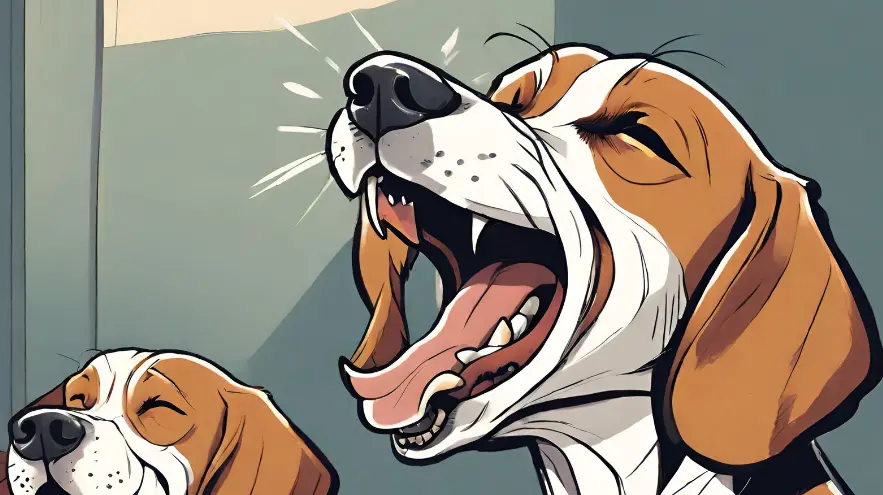
A dog may yawn when petted because petting changes his emotional state and body arousal. Some dogs yawn as they relax. Others yawn because the touch feels too intense, too long, or too close to a sensitive area.
Here’s the thing: a yawn is not a full sentence. It is one word in your dog’s body-language sentence. I treat it like a clue, then check what happens before and after it.
If your dog settles, breathes slowly, keeps a soft face, and stays near you, the yawn may be part of relaxing. If he turns his head, freezes, licks his lips, or moves away, the yawn may be a polite request for a break.
| What You See | Likely Meaning | What I Would Do |
|---|---|---|
| Soft body, slow blink, loose mouth | Comfortable or sleepy | Continue gently |
| Yawn, head turn, lip lick | Mild stress | Pause petting |
| Yawn, stiff body, whale eye | Discomfort | Stop and give space |
| Repeated yawns, restlessness | Stress or pain possibility | Observe and consider vet advice |
I use a three-second pause test. Stop petting for three seconds. If your dog nudges your hand or leans back in, he probably wants more. If he stays away, I respect the no.
Gentle petting can lower excitement and make some dogs sleepy. Firm rubbing, hugging, face-touching, or long sessions can do the opposite. It may push a dog from calm into overstimulated.
Duration matters too. A dog may enjoy the first minute, then yawn because the contact has gone on too long. This is common with dogs that like affection but dislike feeling trapped.
| Petting Style | Common Dog Response | Better Choice |
|---|---|---|
| Slow chest rubs | Often calming | Keep pressure light |
| Firm head pats | Can feel intrusive | Pet shoulder or chest |
| Long cuddles | May cause tension | Use short breaks |
| Touching paws, ears, tail | May trigger sensitivity | Watch closely or avoid |
So what does this look like in practice? If your dog yawns once and melts into your hand, stay gentle. If he yawns twice, looks away, and stops leaning in, switch from petting to quiet presence.
It means your dog is reacting to the moment. The yawn could be comfort, conflict, tiredness, anticipation, or stress. I do not label it affectionate or anxious until I see the surrounding signs.
A common myth is that a yawning dog is always bored. Another myth is that a dog yawning during petting always feels loved. Both can be wrong. Dogs use the same behavior in different emotional settings.
The clearest way to interpret it is to match the yawn to context.
| Context | Yawn Meaning | Supporting Clues |
|---|---|---|
| After a nap | Sleepiness | Stretching, slow movement |
| During gentle petting | Relaxation | Loose muscles, leaning in |
| During hugging | Discomfort | Turning away, stiff body |
| During training or noise | Stress | Panting, pacing, pinned ears |
For stronger accuracy, compare your dog’s behavior with veterinary body-language guidance on dog stress signs. VCA notes that stressed dogs may yawn, lick, drool, show wide eyes, change ear position, or avoid interaction.
Consensus And Authoritative Sources: Veterinarians and behavior-focused clinics generally agree on one point: yawning needs context. It is not a standalone diagnosis.
Dogs probably do not fake yawn in the human sense of pretending. What looks like a fake yawn is usually a social signal, a displacement behavior, or a learned response. A displacement behavior is something a dog does when he feels unsure, excited, or conflicted.
For example, your dog may love being near you but dislike an arm over his shoulders. He may yawn because he is trying to stay calm while deciding what to do next.
Some dogs also learn that yawning gets attention. If you laugh, talk sweetly, or pet more after the yawn, your dog may repeat the behavior because it works.
Practical example: If your dog yawns, looks at your face, then bumps your hand for more touch, it may be social. If he yawns, turns away, and lowers his body, it is more likely discomfort.
Your dog may yawn when you cuddle him because close contact feels soothing, intense, or restrictive. Cuddling can comfort some dogs, but it can pressure others. The difference is choice.
I look for whether the dog can leave. If he can move away but chooses to stay, the cuddle is more likely welcome. If he is held tightly, cornered on the sofa, or pinned under an arm, yawning may mean he wants space.
But that’s not all. Many dogs enjoy body contact without enjoying hugs. They may prefer leaning against your leg, resting near you, or placing their head on your lap.
What to look for:
Buyer beware: Do not teach children that yawning during cuddles always means happiness. Children should learn to pause, invite the dog back, and let the dog choose.
Image Suggestion: Dog leaning calmly beside owner on sofa | Alt Text: Dog yawning while being gently petted during calm bonding time
A dog may yawn when you talk to him because your voice creates attention, anticipation, or mild pressure. It does not always mean your dog understands every word. He may be responding to tone, facial expression, routine, or the emotional context.
If you use a soft voice during petting, the yawn may come with relaxation. If you use a stern voice, repeat commands, or lean over him, the yawn may be stress-related.
The real question is: what does your dog do next? If he comes closer, wags loosely, and offers eye contact, your voice may feel safe. If he looks away, blinks rapidly, or leaves, soften your tone and give him room.
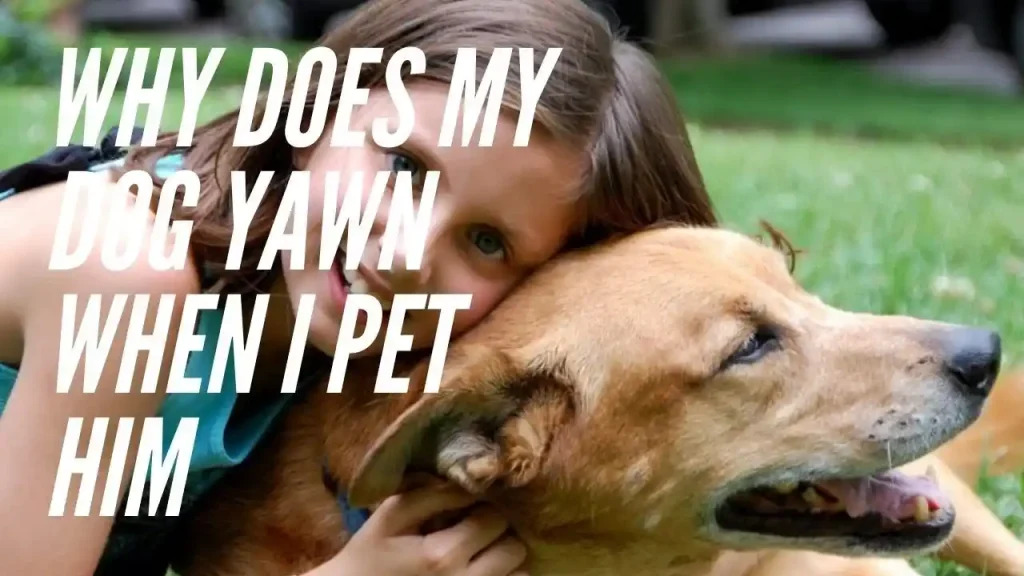
Yawning in dogs can mean several things: tiredness, relaxation, stress, anticipation, social bonding, or physical discomfort. The meaning changes with setting and body language.
I use this simple reader-friendly rule: one yawn is a clue, repeated yawning is a pattern, and yawning with other warning signs is a message worth acting on.
Fact-Check Table
| Claim | Best Check | Source |
|---|---|---|
| Dogs may yawn when stressed | Look for body signs | dog stress signs |
| Pain can change behavior | Watch movement and mood | animal pain signs |
| Dogs may catch human yawns | Evidence is mixed but real | contagious yawning study |
A dog yawning in front of you may be relaxing, asking for calm, or trying to reduce social pressure. It may also happen because he has learned that you respond to it.
If he yawns and then moves closer, he may be inviting gentle contact. If he yawns and angles his body away, he may be asking you to slow down.
Yes, a dog’s yawn can be a form of communication. It can signal calm intent, uncertainty, stress, tiredness, or a desire to pause interaction.
I would not call every yawn a deliberate message. Still, I treat it as useful feedback. Dogs often communicate in small signals before they use bigger ones like growling or snapping.
Frequent yawning can happen when a dog is tired, overstimulated, anxious, confused, excited, or uncomfortable. A sudden increase matters more than an occasional yawn.
If your dog yawns a lot only during petting, adjust the touch first. If he yawns across many settings, track when it happens. Note time of day, location, people present, sounds, and body signs.
Yes, yawning can sometimes appear with pain, nausea, anxiety, or other health problems, but it is not enough to diagnose anything by itself. If yawning is sudden, intense, repetitive, or paired with behavior changes, call your veterinarian.
Merck Veterinary Manual explains that pain in animals may show through movement changes, restlessness, hiding, eating less, or mood changes. That matters because some dogs show discomfort subtly.
Call your vet if yawning comes with:
Start by changing the interaction, not by correcting the dog. I would use shorter petting sessions, lighter pressure, and more pauses.
Try this simple plan:
Create a calmer setting too. Lower noise, avoid crowding, and give your dog a safe bed where no one bothers him.
Yes, dogs can show contagious yawning with humans, but research is still nuanced. A PLOS ONE study found that dogs responded differently to familiar and unfamiliar human yawns, suggesting social bond may play a role.
Do not use this as a love test. If your dog yawns after you yawn, it may show social sensitivity. If he does not, that does not mean your bond is weak.
Image Suggestion: Owner yawning while relaxed dog watches nearby | Alt Text: Dog responding to human yawn during quiet bonding moment
Dogs can yawn during affectionate moments, but the yawn itself is not proof of affection. Affection is clearer when the yawn appears with relaxed, willing closeness.
Look for the full picture: soft eyes, loose body, gentle tail movement, choosing to stay near you, and asking for more contact after you pause.
If the yawn appears with avoidance, stiffness, or repeated lip licking, I would not call it affection. I would call it feedback.
You can tell by checking what else happens at the same time. Stress yawning usually comes with other signs, not by itself.
Look for pinned ears, whale eye, lip licking, panting, pacing, freezing, tucked tail, or trying to leave. If several appear together, stop petting and reduce pressure.
Branching Quiz: Is The Yawn Comfort Or Stress?
Start here: Did your dog choose to come close?
CTA: If your quiz path points to stress, try the three-second pause test today and record what changes. If your path points to pain or sudden behavior change, ask your veterinarian before assuming it is emotional.
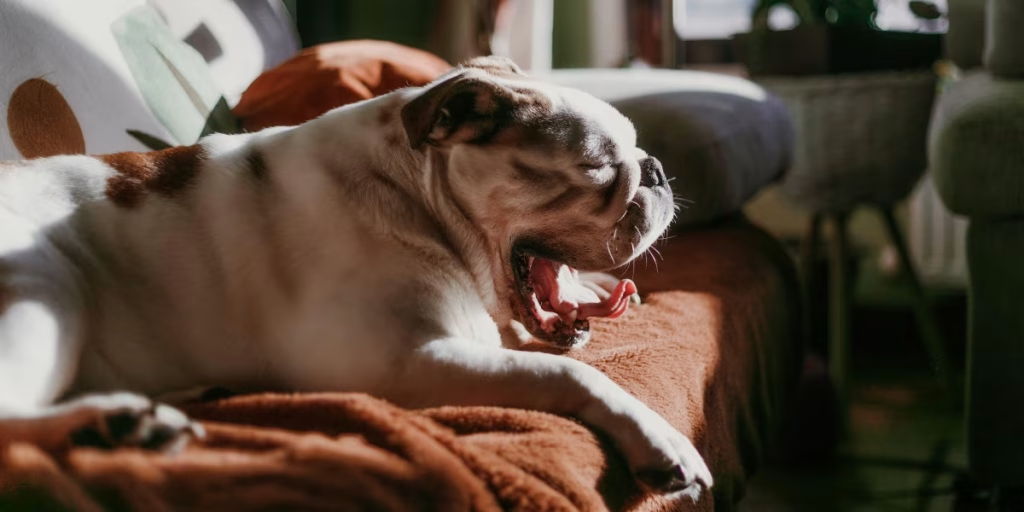
Your dog may yawn often because petting relaxes him, overstimulates him, or happens when he is already tired. I would watch whether he asks for more after you stop. If he does, the yawning may be part of winding down.
If he yawns often with stiffness, avoidance, or restlessness, shorten the contact. Sudden frequent yawning should be checked, especially if your dog seems unlike himself.
Bonding time can be exciting and calming at the same time. Your dog may yawn because he feels safe, sleepy, or emotionally full.
Keep bonding time consent-based. Pet briefly, pause often, and let him re-engage. That gives affection without trapping him.